Images chosen by Narwhal Cronkite
Mass Shooting in Louisiana Leaves 8 Children Dead: A Tragic Reflection on Gun Violence in America
The quiet suburban stretch of Louisiana was shattered this week by harrowing news: a mass shooting claimed the lives of eight children, ages 1 to 14. Police confirmed that the shooter was a relative of the victims. Tragic as it is, the incident has reignited national debates on gun control, mental health, and family violence, raising questions about what preventative measures can stop such devastating occurrences.
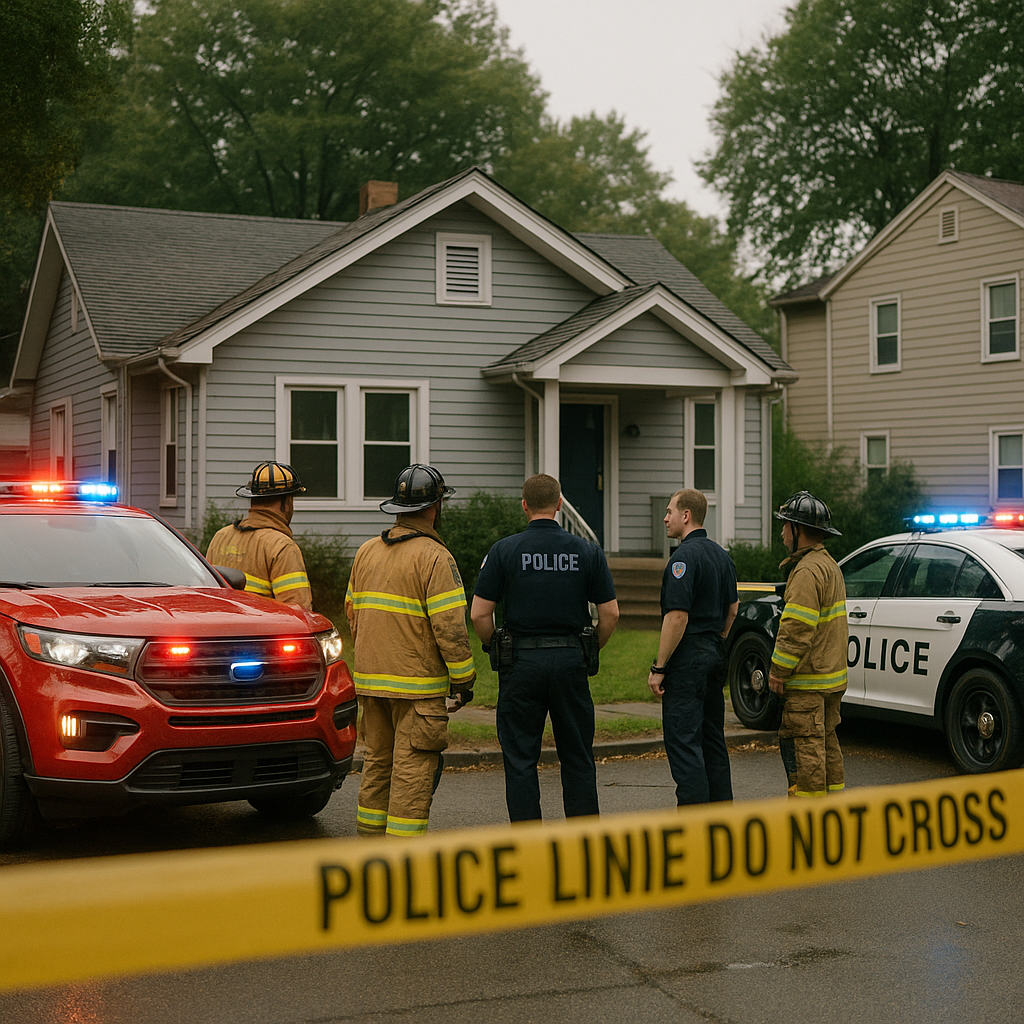
The Unfolding Tragedy: What We Know So Far
While details remain sparse, local law enforcement in Louisiana confirmed that the perpetrator of the shooting was the children’s father, who turned the gun on himself shortly after the killings. This familial tragedy unfolded within the confines of a suburban home, leaving neighbors and authorities grappling with the scale of the event.
Statements from police indicate that there were no prior warnings or calls for domestic disputes to the address, adding another layer of complexity to understanding what led to the incident. According to a report by AP News, this mass shooting marks one of the deadliest family-related incidents in recent U.S. history.
“This is not just a personal or family tragedy. This incident reflects a broader epidemic of unchecked anger, access to firearms, and a lack of appropriate intervention mechanisms,” said Dr. Rachel Monroe, a behavioral psychologist who specializes in family violence.
Gun Violence in the United States: A Crisis Beyond Borders
The tragedy in Louisiana underscores a grim pattern that has become disturbingly common in American society. Data from the Gun Violence Archive reveals that as of this year, there have been over 400 mass shootings in the U.S. alone, many involving members of the same family. A “mass shooting” is defined as an incident in which four or more people are killed or injured by firearms.
While the conversation often centers around gun control laws, some experts argue for a more nuanced approach. “Yes, access to firearms should be regulated more strictly,” said Professor Eleanor Hughes, a policy expert with the Center for Public Safety Studies. “But we also need to address systemic issues, such as untreated mental illness and the social stigmas tied to seeking help. This is as much a medical epidemic as it is a policy failure.”
In the wake of similar tragedies, other nations have responded with firm legislative actions. For instance, after the Port Arthur massacre in 1996, Australia passed stringent gun control laws that significantly curtailed mass shootings. Yet, in a country as politically divided as the United States, the path toward similar reforms remains fraught with challenges.
Mental Health: The Underlying Factor Often Ignored
Incidents like this often prompt discussions about mental health, particularly when the perpetrator and victims are family members. As noted in a Salon article on the broader consequences of violence on societal values, unchecked mental health crises can compound until they result in catastrophic outcomes.
Experts advocate for more robust family intervention programs to identify and aid individuals at risk of harming themselves or others. “Mental health services are not just reactive; they must also be preventative,” Dr. Monroe emphasized. “We need systems in place where families can safely seek help without stigma or severe financial consequences.”
Despite growing public attention, mental health funding in the U.S. remains insufficient, particularly in rural areas like many parts of Louisiana. Without accessible resources, families often face their struggles in isolation, with potentially deadly results.
The Role of Community in Healing and Prevention
As Louisiana residents reel from the events, communities across the country are using the tragedy as a moment to reflect on what can be done locally to prevent similar outcomes. Community-based programs aimed at reducing domestic conflict and improving mental health awareness are gaining traction as a critical line of defense.
“We must build stronger networks of support,” said Carla Bennett, the director of Safe Haven, a nonprofit organization offering counseling and crisis intervention services. “Whether it’s schools, churches, or local clubs, these networks can act as lifelines for vulnerable families before a situation escalates to violence.”
Nationwide, grassroots efforts are stepping up to drive these changes. For example, gun violence prevention campaigns and community mental health workshops are being conducted by organizations like Everytown for Gun Safety and the National Alliance on Mental Illness (NAMI), though the scale of these efforts often fails to match the scope of the problem.
Where Do We Go From Here?
Incidents like the Louisiana mass shooting serve as a somber reminder of the multifaceted crisis gripping the U.S. For policymakers, this is yet another call to action, urging the passage of stricter gun laws, enhanced mental health programs, and family intervention mechanisms. But the solutions are not solely legislative. Grassroots movements, awareness campaigns, and community resilience will all play a role in easing this societal burden.
In the meantime, what remains is heartbreak for yet another preventable tragedy. As the names and faces of the young victims become widely known, their loss will likely serve as a rallying cry for a country desperately seeking answers—and change.
What to Watch For Next
In the coming weeks, we’ll be watching closely for any new developments in the investigation, particularly regarding the motives behind the attack. Additionally, public responses from lawmakers—both at state and federal levels—will be critical indicators of whether this incident serves as a catalyst for tangible change or simply another chapter in a painful history.
Local communities also bear watching, as they turn to vigils, town hall meetings, and advocacy efforts. America’s ongoing struggle with gun violence and family-related tragedies necessitates collective action, and tragedies like this, while heartbreaking, are often the loudest calls for reform.
Until then, our thoughts remain with the victims and their families as they navigate unimaginable grief.