NSA Uncovers Controversial Phone Call Linking Trump Insider and Foreign Intelligence
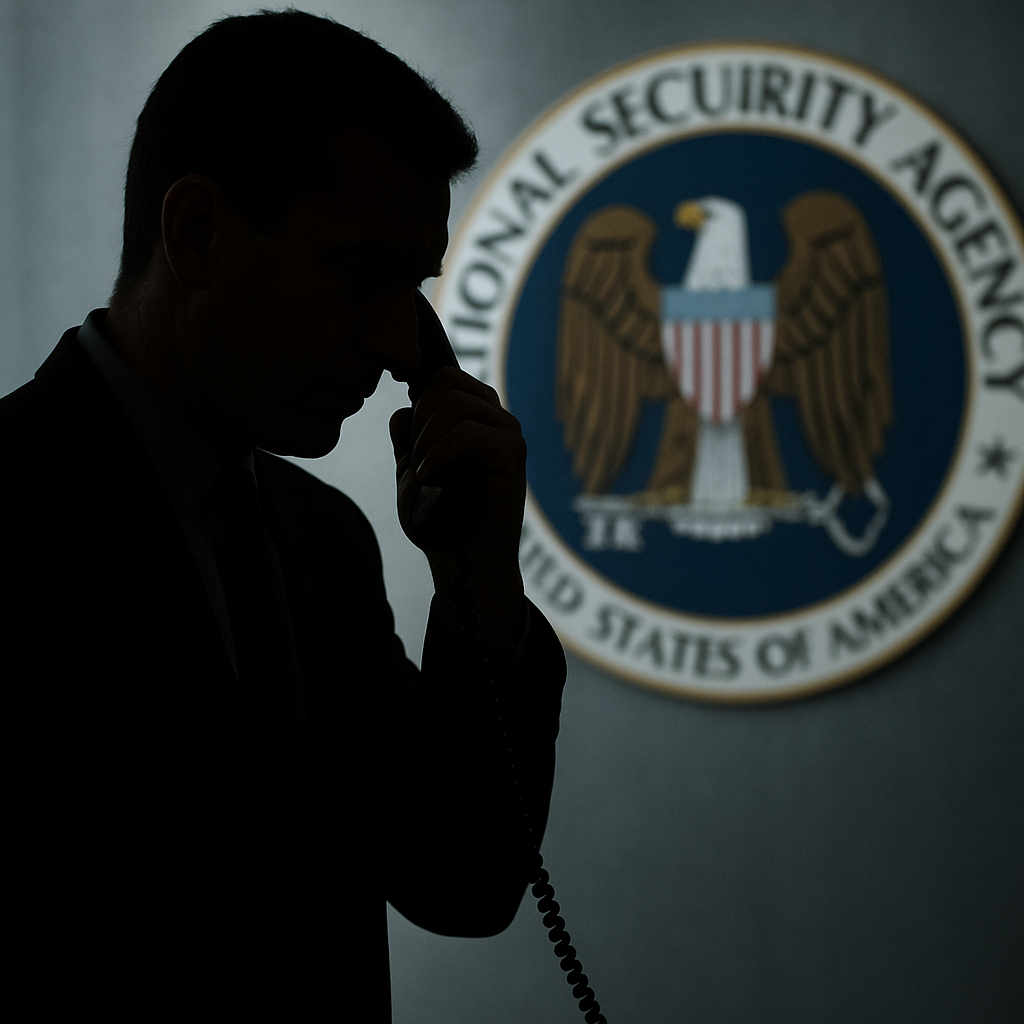
In a revelation that has left Washington rattled, the National Security Agency (NSA) reportedly intercepted a phone call between a foreign intelligence operative and an individual close to President Donald Trump. This development, first unveiled by The Guardian, poses serious questions about information management within the intelligence community and the actions of high-ranking officials tasked with safeguarding national security.
When Intelligence Collides with Politics
The story began last spring when the NSA flagged a sensitive phone call, which reportedly involved someone linked to the Trump circle and a foreign intelligence operative. This discovery was initially shared with Director of National Intelligence (DNI) Tulsi Gabbard. Instead of following routine protocols to disseminate the intel within appropriate governmental pathways, Gabbard reportedly hand-delivered a paper copy of the findings directly to Donald Trump’s chief of staff, Susie Wiles. The whistleblower’s attorney, Andrew Bakaj, alleged that Gabbard subsequently instructed the NSA to halt its official distribution of the report and required its transmission to her office instead.
While Gabbard’s office has categorically denied any wrongdoing, stating that “every single action taken by DNI Gabbard was fully within her legal and statutory authority,” the handling of this intelligence raises broader questions about the intersection of politics and national security. Tamara A. Johnson, the acting inspector general, refused to validate the whistleblower’s allegations, further entangling the issue in bureaucratic uncertainty.
This clash isn’t an isolated incident. Analysts remind us that intelligence agencies often find themselves navigating overlapping pressures from executive power and their fundamental mandate to act apolitically. A similar controversy arose during the Trump administration regarding the handling of intelligence related to Russian interference in the 2016 election. As reported by Balloon Juice, these incidents underscore the complexities of balancing transparency, confidentiality, and accountability within the U.S. intelligence framework.
The Stakes of the Intelligence Game
This latest NSA report captures a broader struggle about how U.S. democracy manages intelligence in an era marked by increasing global tensions. As the alleged phone call included a foreign intelligence operative, geopolitical analysts are turning their attention to whether this incident connects to growing global challenges such as cyberespionage, election interference, or influence campaigns targeting domestic governance.
For example, as the article noted in Small Wars Journal, aggressive international posturing by China—seen notably in Taiwan—has raised concerns about the readiness of U.S. leadership to respond effectively. If sensitive intelligence related to U.S. foreign policy decisions is unduly influenced by political actors or parties, American geopolitical strategy could be compromised at a time when cohesion is desperately needed. A U.S. administration compromised by foreign influence would be weakened in its dealings with adversarial powers and allies alike.
Tulsi Gabbard Under the Spotlight
The controversy surrounding Tulsi Gabbard as the acting DNI is further inflamed by ongoing rumors and skepticism. Gabbard has had a complicated political trajectory, rising to prominence as a progressive firebrand and later aligning with President Trump as one of his allies. Her apparent deviation from standard protocols contributes to the perception that intelligence-sharing processes could be made vulnerable under her leadership.
It is important to note, however, that Gabbard’s office remains defiant against these allegations, accusing detractors of seeking to discredit her and the work of the broader intelligence community. In a volatile climate of partisan politics, it is yet unclear how transparent the congressional committee or other oversight bodies will be in their pursuit of the facts. As Andrew Bakaj pointed out, the eight-month delay in addressing the whistleblower’s concerns adds fuel to the controversy, suggesting internal resistance to airing this issue publicly.
The Intelligent Society: Balancing Security and Rights
At the heart of this story lies a concern that affects all Americans: how intelligence agencies navigate the fine line between safeguarding security and ensuring democratic oversight. Several whistleblowers and intelligence officials in the past have faced both severe consequences and public adoration for exposing such issues to light. With respect to Gabbard’s counterarguments, however, some commentators reason that not every whistleblower’s claims automatically equate wrongdoing or corruption.
This sentiment is echoed in a report by The Hacker News, emphasizing how governmental oversight lapses, particularly in technical safeguards around sensitive information, can lead to devastating spy-sphere vulnerabilities. Governments must act to ensure that contemporary trends in espionage and network risks do not exacerbate latent challenges by roiling internal functions.
Nevertheless, when allegations arise of sidelining standard protocols, the government must move to affirm that national defense and transparency reign supreme over individual political allegiances.
What Happens Next?
This affair comes at a precarious moment for both the United States and global geopolitics. Tensions between the U.S., major powers like Russia and China, and even non-state actors like Hezbollah are already reaching new heights. Any indication of partisan behavior or missteps in intelligence management could instantly erode allies’ trust in U.S. stability and credibility, as seen in recent analyses by Legal Insurrection on escalating regional conflicts.
On the domestic front, Gabbard’s actions could reignite longstanding debates over intelligence and government transparency. Congressional hearings probing Gabbard’s involvement in the NSA intelligence controversy would invite questions about how aligned U.S. governance remains with its democratic ideals. Such inquiries might also signal broader institutional reforms within the intelligence community.
For the American public, episodes like these should serve as a reminder of the inherent fragility in democracy’s intersection with concentrated power. As investigations unfold and evidence emerges, answers could either push suspicion further into political narratives or bring much-needed clarity—and accountability—into Washington.
Implications for the Road Ahead
Perhaps the most pressing question in light of this revelation is how this controversy will affect relations between intelligence agencies, legislative oversight bodies, and the public. Will whistleblowers, despite procedural barriers, continue to step forward? Will further scrutiny reveal negligent processes or intentional subversion of intelligence norms by top-level officials? And finally, what role will international actors play, as beneficiaries or adversaries, in using compromised intelligence for their own strategic interests?
In an age defined by intensifying cybersecurity challenges and declining global trust, incidents like these underscore how transparency and accountability can serve as cornerstones—rather than liabilities—for democratic countries.
The citizens of any nation can thrive only when they trust that intelligence agencies act in their best interest, unimpeded by political gamesmanship or outsized partisanship. Moving forward, the path to restoring public confidence will depend heavily on not only the outcomes of investigations but also reforms to enhance the structural safeguards that keep intelligence agencies impartial and effective.
For now, all eyes are on the whistleblower complaint, the congressional committees, and whether this issue will catalyze meaningful changes to the way security and governance intersect in the United States. The delicate balance of power and transparency must be maintained to ensure that such incidents do not escalate into enduring threats to national security.