Immigrant Whose Skull Was Broken in Eight Places During ICE Arrest Says Beating Was Unprovoked
The debate over America’s immigration policies reignited this week after an incident involving Immigration and Customs Enforcement (ICE). An immigrant claims his skull was fractured in eight places during what he alleges was an unprovoked act of violence at the hands of ICE agents. This shocking revelation has triggered outrage from civil rights organizations and renewed scrutiny over the enforcement methods employed by the agency.
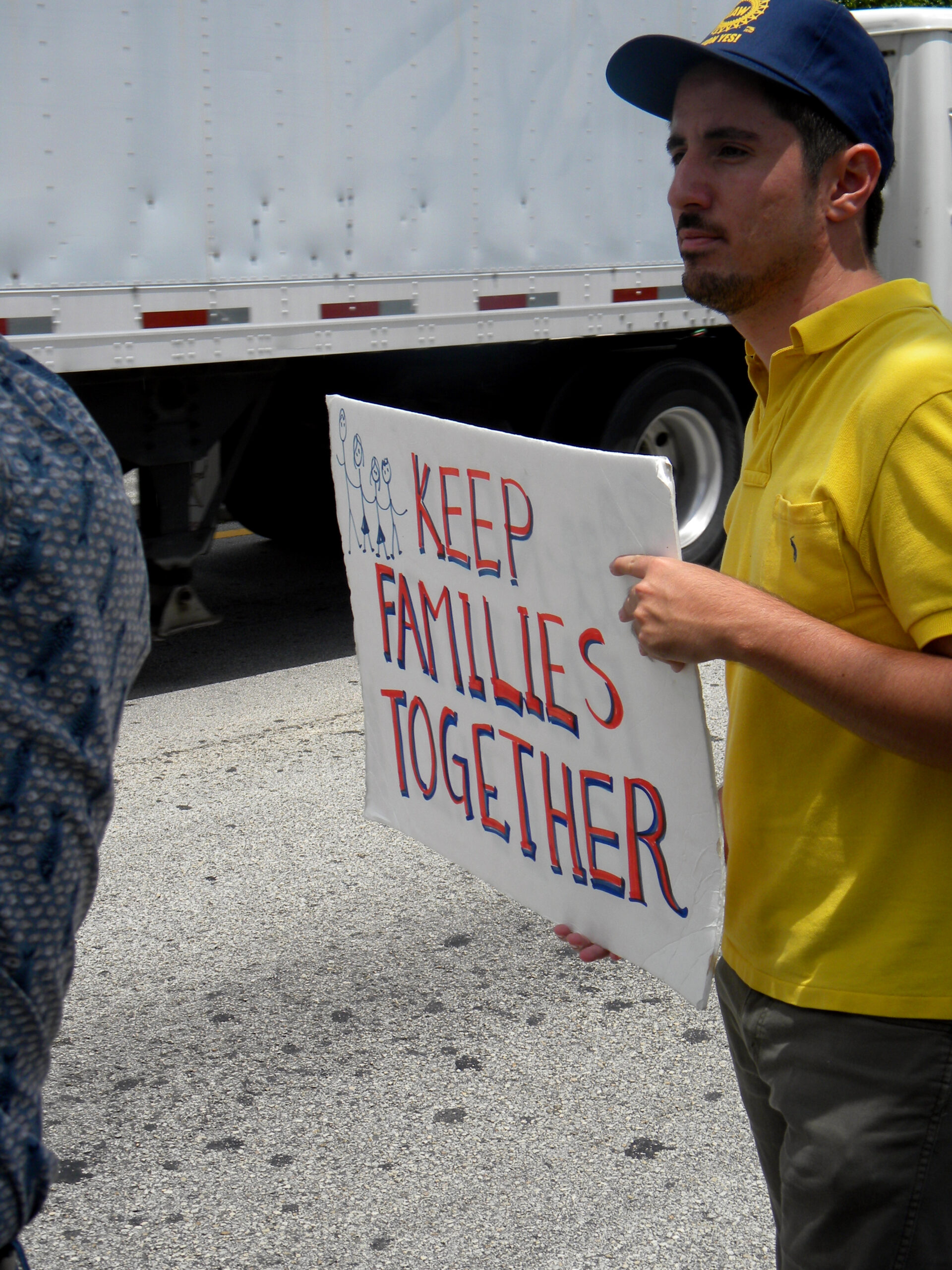
The Incident: Claims of Brutality in ICE Custody
According to AP News, the immigrant, whose identity has not been revealed due to concerns about safety, alleges that ICE agents used excessive force during his arrest. The man was later taken to a Minneapolis hospital, where it was revealed that his skull had fractures in eight different places. The circumstances leading up to the arrest remain unclear, and ICE has yet to release an official statement addressing the incident or refuting the allegations.
Witnesses reportedly described the scene as unnecessarily aggressive. Within moments of approaching the individual, ICE officers allegedly restrained him in a manner that escalated into violence. The immigrant’s legal team has accused the agents of flagrantly ignoring protocols designed to ensure humane treatment during arrests.
This incident occurred at the intersection of long-standing debates and controversies surrounding the role of ICE, immigration law enforcement, and the treatment of undocumented immigrants in the United States.
The Broader Context of Immigration Enforcement
Incidents of alleged abuse tied to ICE are not isolated. Over the years, numerous reports have surfaced about excessive force, inhumane conditions in detention facilities, and other violations of basic rights. Advocacy organizations and human rights groups have repeatedly highlighted the inconsistencies in ICE’s operational accountability.
“This is far from an aberration,” said Maria Gonzalez, a civil rights lawyer specializing in immigration cases. “This incident is emblematic of a larger culture of impunity within elements of our immigration enforcement framework.” Legal experts point to existing systems and processes, including the ability of ICE officers to operate with significant autonomy, as contributors to these issues.
The political climate further complicates matters. According to an analysis in The Atlantic, immigration enforcement has increasingly become intertwined with political ideologies, often leaving immigrants susceptible to systemic mistreatment. Administration priorities and public sentiment can influence how aggressively departments like ICE pursue detention and deportation measures.
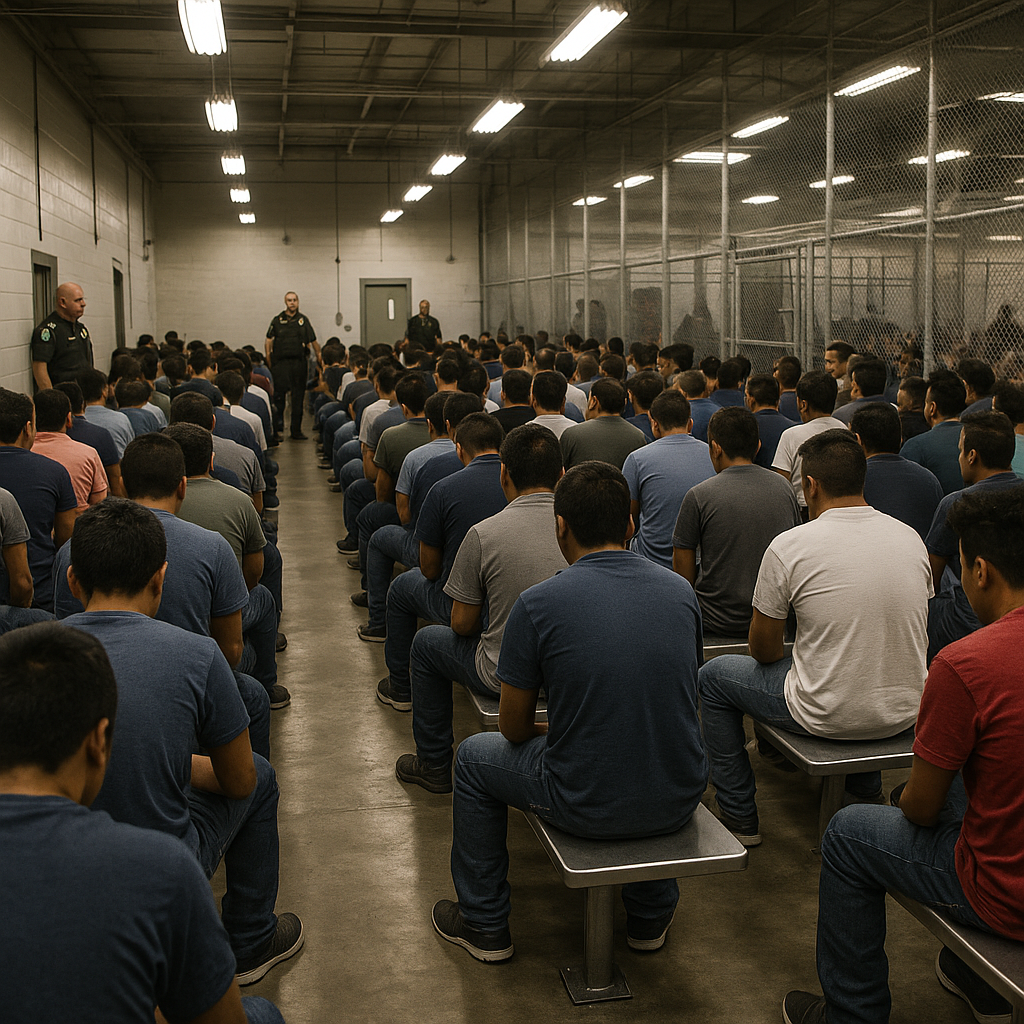
Medical and Legal Ramifications
The physical and mental toll on individuals subjected to such treatment can be devastating. In this particular case, the medical evaluation revealed life-threatening injuries, with doctors expressing concern over permanent damage. For immigrants, especially those detained while awaiting asylum or residency hearings, access to quality medical care is often delayed, if not denied altogether.
Legal advocates are calling for greater accountability within ICE. They emphasize the need for independent oversight mechanisms to address officer misconduct, reduce instances of abuse, and ensure the physical safety and mental well-being of detainees. Currently, such calls have faced resistance, hindered by a lack of bipartisan agreement on immigration reform as a whole.
Human Stories Behind Statistics
While the systemic issues often dominate headlines, the personal stories of those affected bring a deeply human element to these tragedies. The man at the center of this incident reportedly fled violence in his home country only to encounter brutality from those tasked with law enforcement in the United States.
“It’s easy to lose sight of the fact that these are real people—parents, children, spouses—that we’re talking about,” said Dr. Elaine Kim, a sociologist focusing on migration and identity. “When we focus purely on statistics—arrests, deportation numbers—we erase their humanity.”
Stories like this serve as a harrowing reminder of the fragility of those caught in the immigration enforcement system. Many cross borders not out of choice but as a means of survival, seeking refuge from life-threatening conditions in their home countries. Instead, they often find themselves subjected to further harm.

Continued Calls for Reform
The Minneapolis incident underscores the need for immediate action. Numerous advocacy organizations, legal watchdogs, and community groups are urging Congress and the Biden administration to implement stricter oversight measures for ICE. Proposed reforms include mandatory body cameras for agents, improved training programs emphasizing de-escalation tactics, and the establishment of independent review boards to handle allegations of misconduct.
However, achieving meaningful change is easier said than done. The political landscape surrounding immigration remains highly divisive. Efforts to introduce oversight mechanisms or reduce funding for ICE have faced significant pushback from certain factions. Meanwhile, agency representatives have expressed concerns that such measures would hinder the effectiveness of operations and compromise national security.
What Comes Next?
As the investigation into the Minneapolis incident unfolds, it is clear that this case is far more than an isolated incident—it’s a reflection of systemic issues within immigration enforcement. What remains to be seen is whether this case will galvanize action in Washington or fade into obscurity like many before it.
For now, the immigrant at the center of the case faces a long road to recovery, both physically and emotionally. His case has already attracted the attention of activists, political leaders, and legal experts. This increased scrutiny could serve as a catalyst for meaningful dialogue, if not immediate reform. Regardless, the cost of inaction is immense—not just for this individual, but for the countless others who have endured, and are still enduring, similar struggles.