Orban Declares Ukraine ‘Enemy’ of Hungary Amid EU Energy Fallout
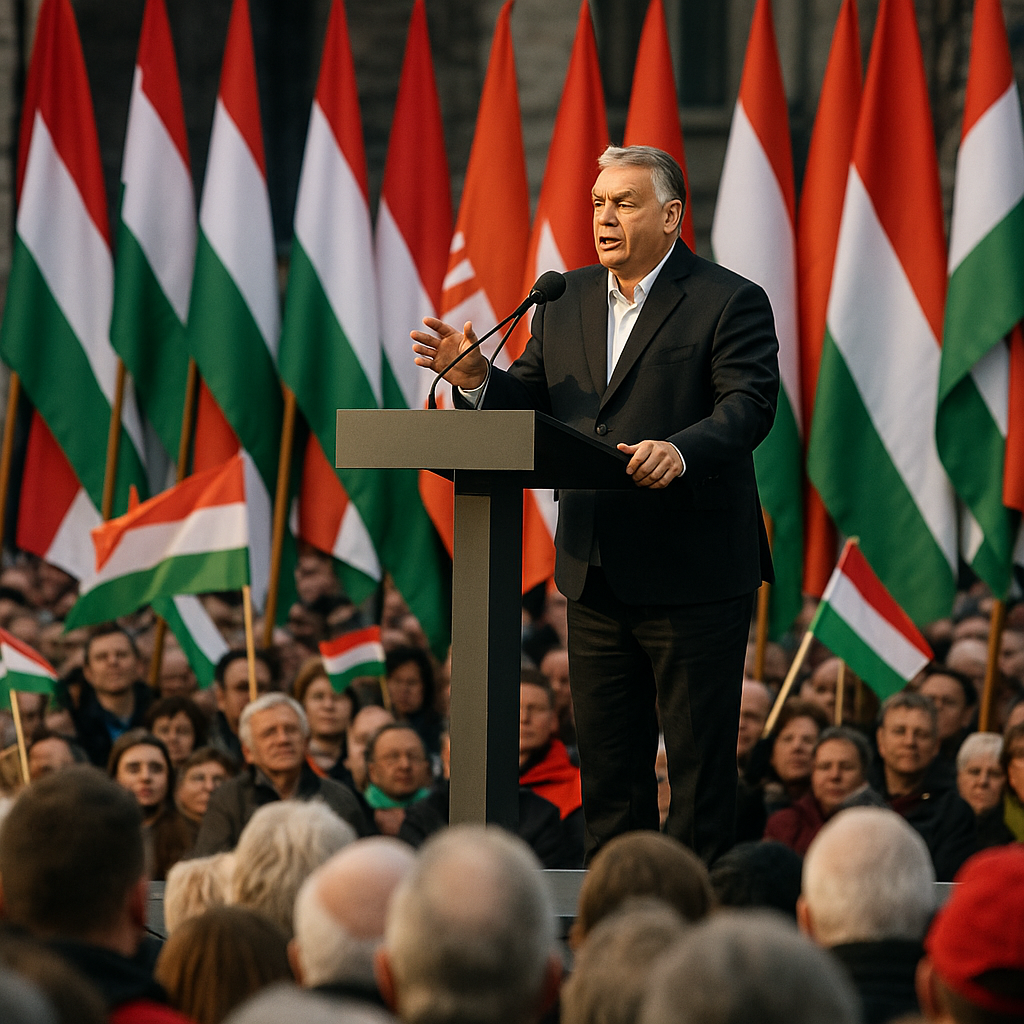
Hungarian Prime Minister Viktor Orban’s recent declaration that Ukraine is an “enemy” of Hungary has ignited fresh concerns in Europe regarding Hungary’s loyalty to collective EU efforts. Speaking at a rally in Szombathely on February 7, Orban criticized Ukraine’s stance on Russian energy imports, further cementing his reputation as the Kremlin’s closest ally in the European Union. As tensions rise between Hungary, Ukraine, and Brussels, the rhetoric signals deeper strategic divides that could have lasting implications.
Hungary’s Opposition to EU Sanctions on Russian Energy
Orban’s comments came soon after the European Union officially approved plans to ban Russian gas purchases by 2027—a landmark decision aimed at reducing the bloc’s dependence on Moscow’s energy amid its ongoing war in Ukraine. While the EU has already phased out most Russian oil imports and slashed purchases of Russian gas by 75% from 2021 to 2025, Hungary remains heavily reliant on cheap Russian energy, making it one of the EU’s biggest roadblocks in implementing stricter sanctions.
In his speech, Orban lambasted Ukraine for advocating the complete cessation of Russian energy imports. “Anyone who says this is an enemy of Hungary, so Ukraine is our enemy,” Orban said, according to Index, a regional news outlet. His framing was blunt and confrontational, tying Hungary’s economic well-being directly to maintaining relations with Moscow. A key sticking point involves the Council of the EU’s workarounds to pass energy bans using qualified majority voting, which Orban has consistently attempted to veto when sanctions are presented.
Despite Hungary’s resistance, industry analysts point out that the trade decision could still undermine Moscow in the long run. However, its loopholes may allow some Russian energy to continue flowing to dissenting EU nations, including Hungary itself.
The Political Motives Behind Orban’s Remark
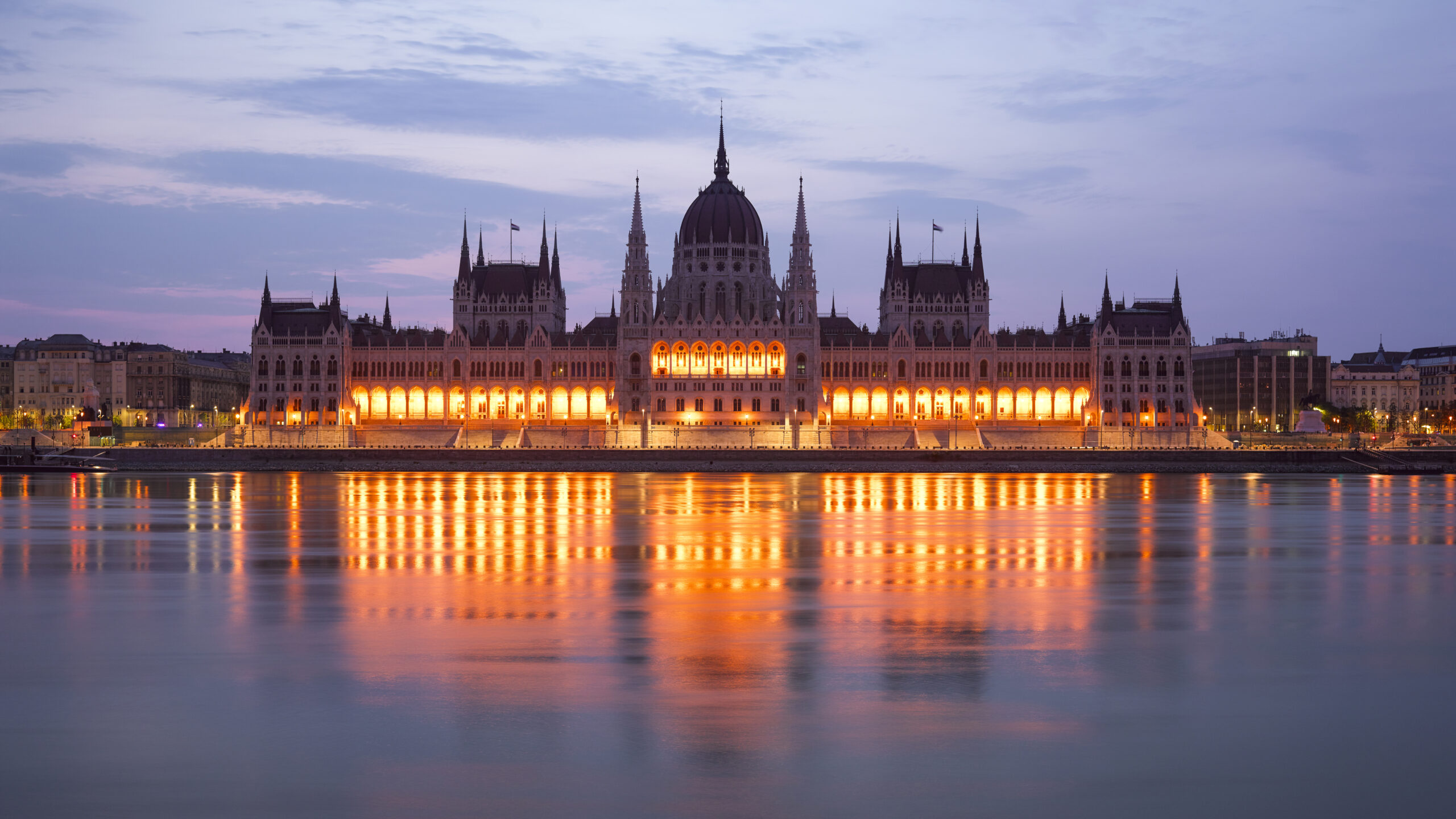
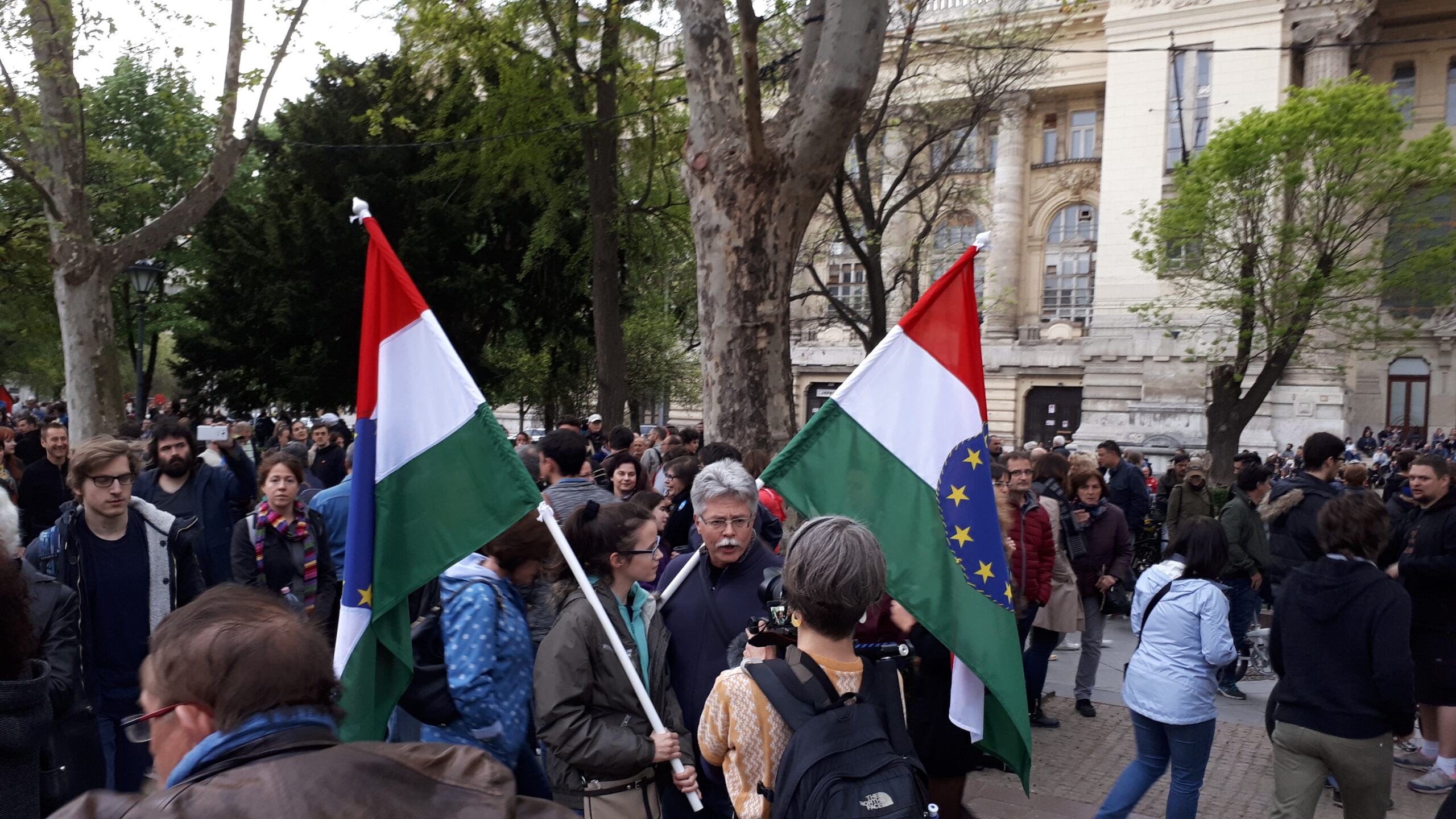
With Hungary’s parliamentary elections approaching in April, Orban’s inflammatory remarks highlight his strategic reliance on divisive politics. Peter Magyar, leader of Hungary’s opposition, has gained significant traction in recent polls, challenging Orban’s grip on power. While Orban dismissed polling data during his rally as “propaganda,” his outspoken position on Ukraine and energy could serve as a rallying cry for his core supporters.
According to political observers, Orban’s focus on Ukraine as a scapegoat fits a broader pattern of aligning Hungary’s policies with Kremlin interests. Since the start of Russia’s full-scale invasion of Ukraine, Orban has frequently clashed with EU leadership over sanctions and aid packages, showcasing his preference for strong ties with Moscow over Brussels. His trip to Washington, D.C. for the inaugural meeting of U.S. President Donald Trump’s “Board of Peace” suggests plans to further elevate his international profile ahead of the elections.
Ukraine’s EU Aspirations Meet Resistance
Orban’s comments also directly attacked Ukraine’s ambition to join the European Union, stating that while Hungary should maintain neighborly relations with Kyiv, allowing Ukraine into the EU would be a mistake. “Hungarians should not want military or economic cooperation with Ukrainians, because they are dragging us into war,” he argued.
This critique comes as Ukraine continues to press for EU membership despite the devastation of war. Kyiv’s push is bolstered by other member states, including Poland and the Baltic nations, who view Ukrainian membership as a crucial step in securing Europe’s eastern flank against Russian aggression. Yet Orban’s veto power and his alignment with Slovakia on energy policy provide significant hurdles to Ukraine’s integration.
Experts note that Orban’s rhetoric not only undermines EU solidarity but could embolden the Kremlin’s strategy to sow discord within Europe. “By isolating Ukraine, Hungary risks further alienating itself from allies in the EU,” said Elisabetta Rossi, a European energy policy analyst. “This plays into Russia’s hands while complicating unified European responses to geopolitical threats.”
What’s Next for Hungary and Europe?
The implications of Orban’s remarks extend far beyond Hungary’s borders. For EU leadership, his opposition to collective action raises significant concerns about unity in addressing Russia’s aggression and energy weaponization. Hungary already found itself in hot water by blocking aid packages for Ukraine on multiple occasions over the past two years.
Looking ahead, the parliamentary elections in Hungary could dramatically shift the country’s course. If opposition leader Peter Magyar succeeds in unseating Orban, Hungary’s stance on Ukraine and EU energy policy could soften. However, Orban’s continued alignment with Moscow—and his ties to other populist leaders like Donald Trump—indicate that Hungary’s role as a pro-Russia dissenting voice remains a destabilizing presence within the EU.
Ultimately, the EU faces tough choices in dealing with Hungary’s obstructionist tactics. Efforts to strengthen solidarity may involve bypassing Hungary entirely in future sanctions or building broader coalitions with member states willing to invest in Ukrainian recovery. For Kyiv, securing energy independence and EU membership remain uphill battles, complicated further by influential dissenters like Orban.
Conclusion and What to Watch For
As Hungary gears up for its parliamentary elections, Viktor Orban’s declaration of Ukraine as an “enemy” signals deeper fractures in European unity. With energy policy emerging as a key battleground, analysts warn of lasting complications in EU decisions regarding Russia. Meanwhile, Ukraine’s aspirations for EU membership face heavier scrutiny from Kremlin-aligned leaders, making its path to integration arguably more challenging.
The immediate questions focus on the outcome of the Hungarian elections and their impact on Orban’s foreign policy. Should Hungary’s opposition succeed, there could be renewed efforts to bring the nation back into alignment with EU goals. Alternatively, a strengthened Orban government may push Hungary further into isolation, with consequences for both energy security and European solidarity.