Homeland Security Monitoring Sparks Privacy Concerns
The Department of Homeland Security (DHS) has recently come under fire following revelations that its agents have been engaged in monitoring Americans critical of immigration enforcement policies. These practices, highlighted in a leaked intelligence bulletin, bring into sharp focus the tension between national security aims and individual privacy rights in the digital age.
The Discovery: Surveillance on Ordinary Citizens
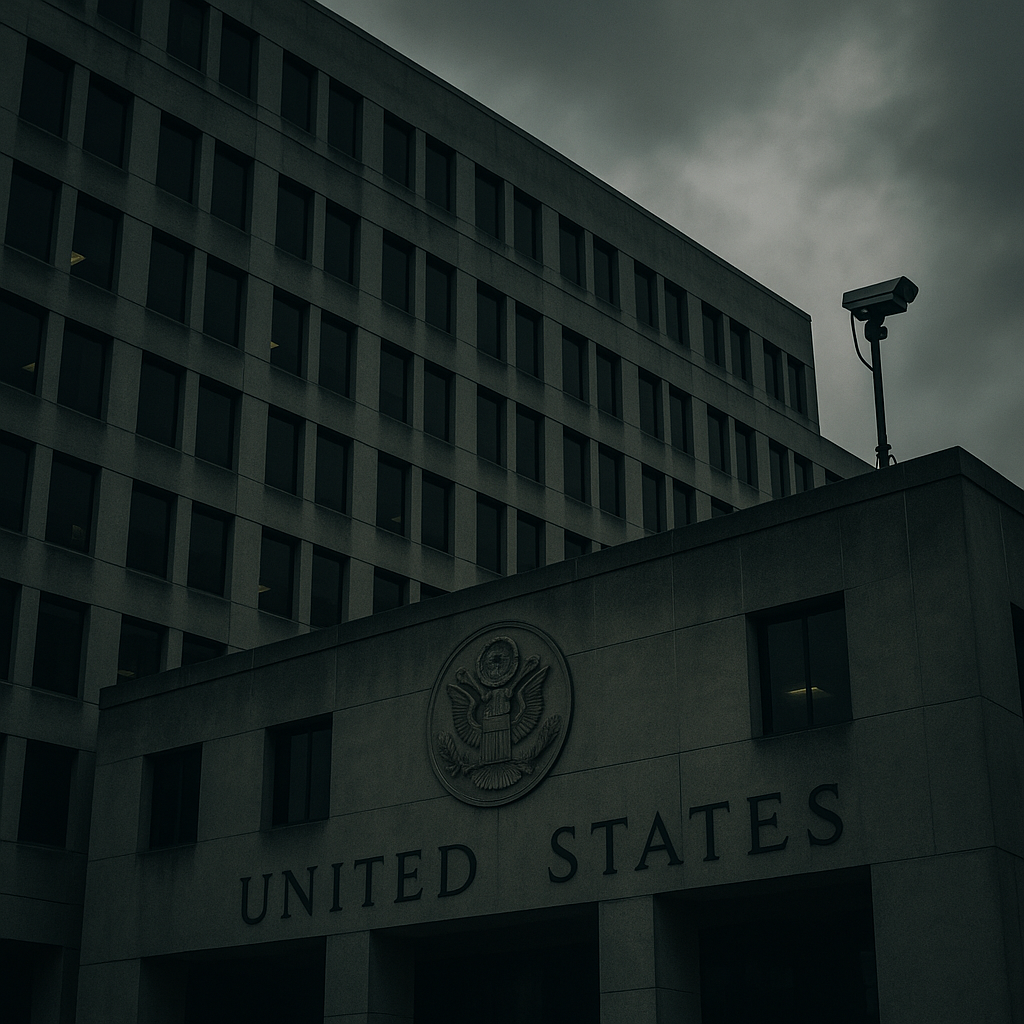
Details emerged from a January intelligence bulletin produced by DHS’s Border Patrol division, revealing how agents have been surveilling individuals advocating for peaceful dissent near federal facilities. One such individual is reportedly a resident from Texas who called on local communities to peacefully protest outside a Border Patrol station located in the Rio Grande Valley. Importantly, the bulletin itself acknowledges that there was no indication of violent behavior or threats associated with this individual or related activities. Still, the agency deemed the situation worth “continued monitoring.”
The document provides a glimpse into how federal agencies justify such scrutiny. Specific protocols, classified under “Force Protection,” a term typically reserved for protecting military forces in hostile environments, were invoked to substantiate these practices. Experts have raised questions about the expansion of such battlefield-driven frameworks into domestic civilian oversight.
The Policy Context: Balancing Safety and Privacy
Homeland Security’s monitoring efforts form part of a broader trend of government surveillance programs in the United States. Analysts have noted that since the passage of the Patriot Act in 2001, which expanded the federal government’s powers to surveil both citizens and foreign nationals, there has been a steady uptick in intelligence operations targeting lawful domestic activities.
“We’re seeing legal but controversial repurposing of counter-terrorism tools into the public sphere,” remarked a policy expert from the University of Chicago who specializes in civil liberties. “When risk assessments prioritize vague threats over constitutional principles, it sets a dangerous precedent.”
Legal scholars are especially concerned about the impact these practices may have on Americans’ right to free speech. They argue that being subject to disproportionate surveillance, even in the absence of criminal intent, could deter individuals from engaging in lawful protests or voicing dissent against federal policies.
Public Perception: Why This Matters
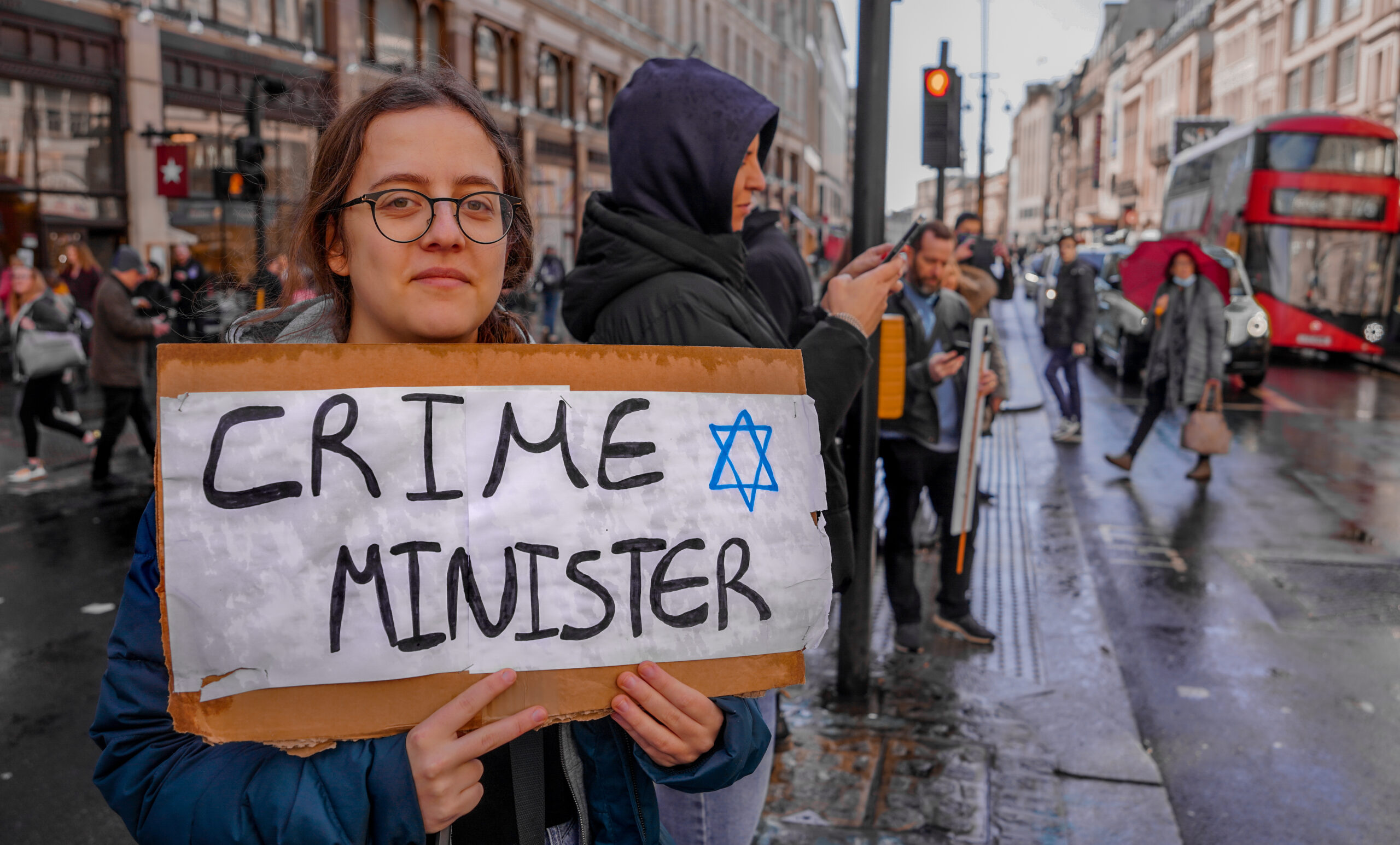
The issue is compounded by growing skepticism among Americans about government surveillance. A 2025 poll conducted by Statista found that 62% of Americans believe federal immigration authorities overstep their bounds in enforcing border security policies. Anti-ICE protests, like the one surveilled in Texas, have largely been described as peaceful gatherings aimed at bringing attention to perceived overreach and alleged human rights violations tied to immigration enforcement operations.
These protests represent a wider phenomenon rooted in public distrust. Analysts point out that social platforms have become major organizing hubs for grassroots movements. However, the pervasive awareness of being monitored or targeted by government agencies can create an environment of self-censorship—leading to what some free speech advocates term the “chilling effect.”
“We have to ask ourselves what kind of society we’re nurturing if ordinary citizens fear surveillance just for engaging in lawful civic activity,” said a civil liberties advocate at the American Civil Liberties Union (ACLU). The reluctance to speak out, analysts explain, can stifle constructive public debates.
Implications for the Future of Oversight
The controversy surrounding Homeland Security’s intelligence-gathering practices raises critical questions. First, what checks and balances exist to prevent overreach? Second, how does the government uphold the balance between protecting its citizens and respecting fundamental rights?
Policymakers who support measured oversight argue that the rapidly evolving digital landscape makes traditional security methods insufficient. However, critics counter that existing frameworks for oversight, such as requiring warrants or independent audits, are often bypassed in the name of expediency. Worse yet, these measures struggle to regain public trust, which is already fractured.
At the same time, the courts have played a mixed role in defining the boundaries of digital and civil privacy. For instance, landmark cases like Carpenter v. United States in 2018 placed limits on law enforcement’s access to historical cell phone records without a warrant. Yet, there remain significant gaps in guiding legislation designed to address 21st-century surveillance technologies.
What to Watch For
As debates surrounding government surveillance continue, some key areas demand close attention in the coming months. First, advocacy groups will likely push for enhanced transparency about how tools designed for national security are applied domestically. Second, legislative proposals may emerge that seek to impose limitations on agency powers when targeting peaceful civilian efforts or digital conversations.
Equally important is the technological angle. With the increasing sophistication of tools used for monitoring—including artificial intelligence and algorithmic social media tracking—oversight mechanisms need to evolve ahead of these capabilities to avoid misuse.
In the meantime, observers suggest that ongoing scrutiny—both from investigative journalists and civic advocacy organizations—will prove critical in ensuring that such practices do not go unchecked. Citizens, too, are encouraged to stay informed, engage with their representatives, and shine much-needed light on an issue that has far-reaching implications for democracy.
The stakes in balancing security and personal privacy are high, and how the United States navigates these complex waters will set a precedent for the years ahead.