Waymo Admits that Its Autopilot is Often Just Guys from the Philippines
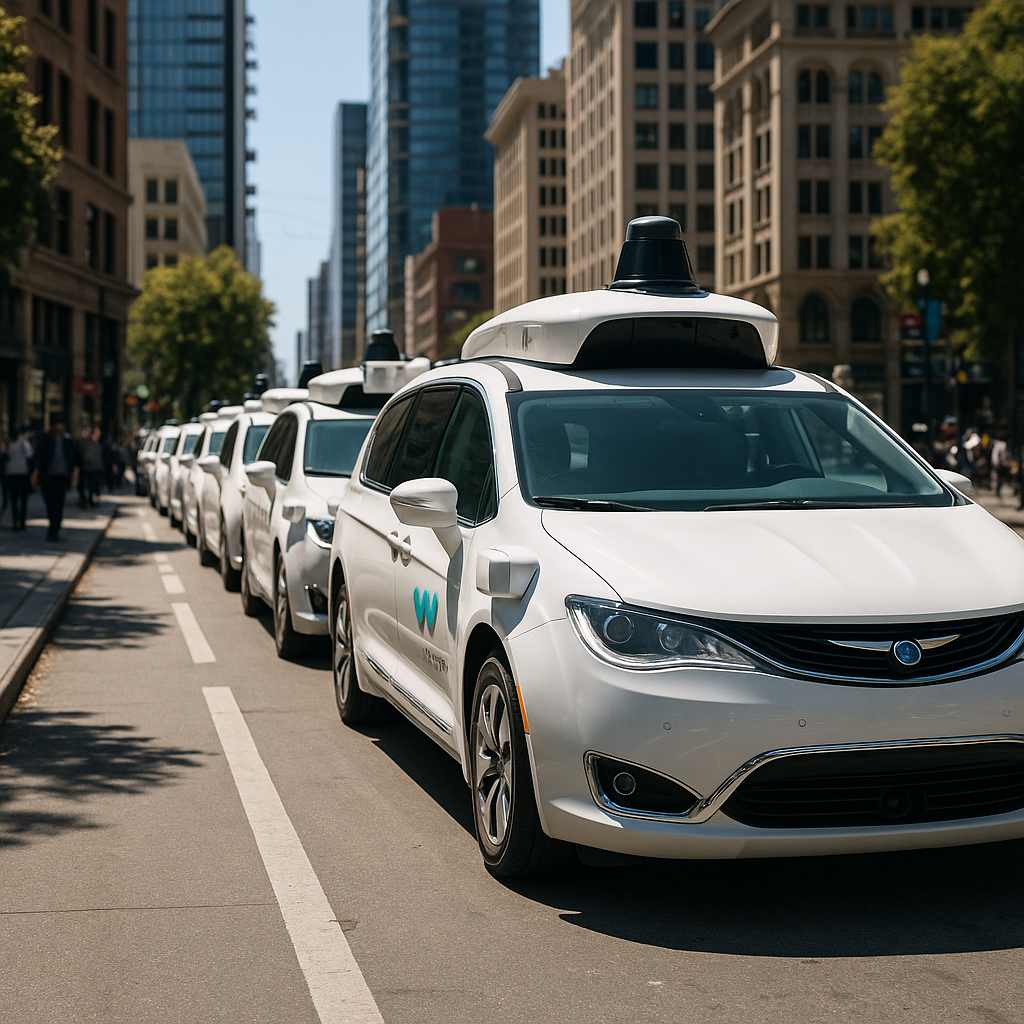
Self-driving cars are often heralded as the future of transportation, promising safety, efficiency, and a touch of scientific marvel. But a recent revelation by Waymo, Alphabet’s autonomous vehicle subsidiary, has thrown a wrench into those expectations. As reported by TechSpot, much of the decision-making behind Waymo’s autopilot technology isn’t handled by sophisticated artificial intelligence. Instead, real human operators—some of whom are outsourced workers based in the Philippines—are remotely guiding these ‘self-driving’ vehicles in tricky situations.
The Human Factor Behind Autonomous Vehicles
This admission shatters a long-standing perception that self-driving vehicles rely solely on machine learning algorithms to navigate roads. Waymo confirmed that in certain high-complexity scenarios, such as navigating unusual intersections or managing unpredictable pedestrian behavior, human intervention through remote operators plays a key role.
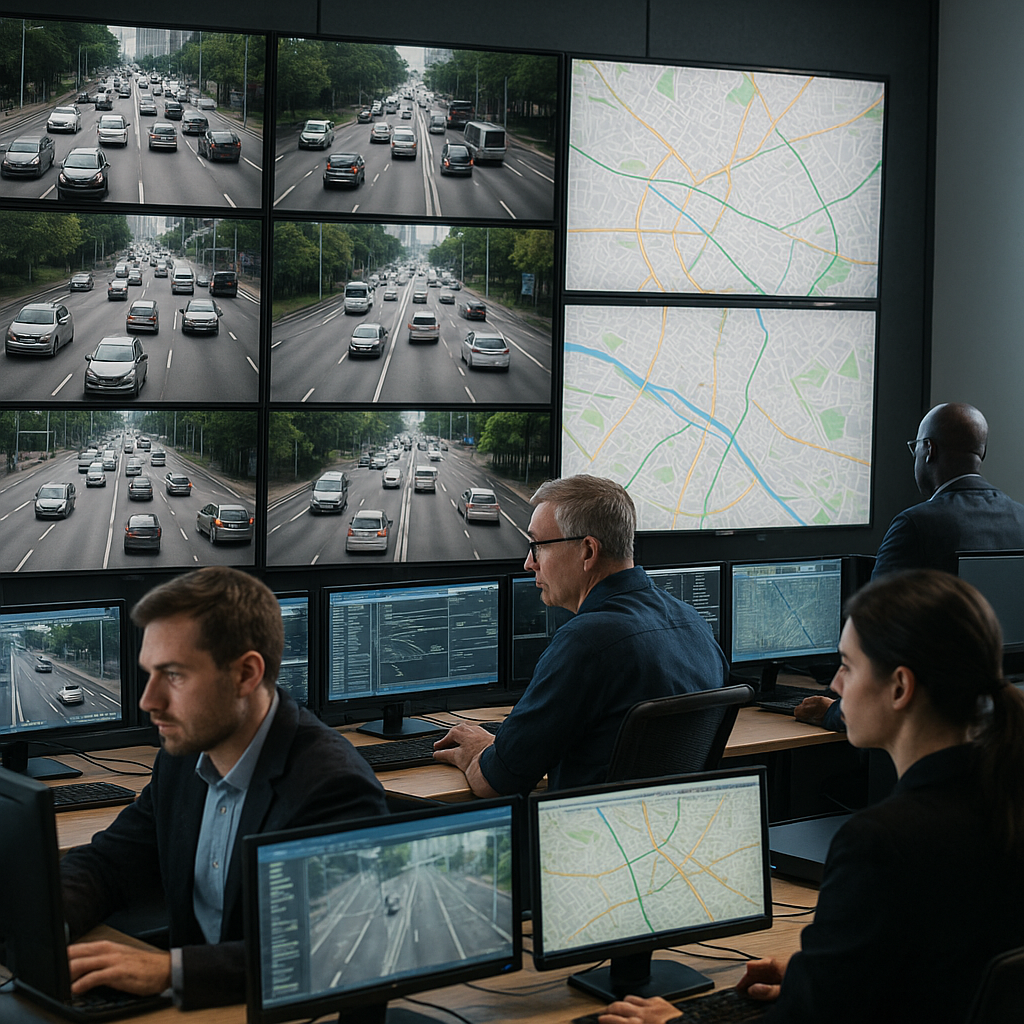
These human operators are tasked with taking control of vehicles remotely from Waymo’s operation centers to make critical navigation decisions that the technology cannot handle effectively. Many of these operators are located offshore, including in the Philippines, where labor costs are significantly lower. While this practice may reduce operational expenses, it raises questions about the true autonomy—or lack thereof—of these vehicles.
Rushing Full Autonomy: A Tech Race or a Safety Risk?
The race to develop fully autonomous vehicles has perhaps added pressure on companies like Waymo to present their technology as more advanced than it truly is. From Tesla’s Autopilot struggles to Uber’s early attempts with autonomous fleets, scaled-back expectations aren’t new to the industry. But Waymo’s revelation further underscores the limitations of current AI-based driving systems.
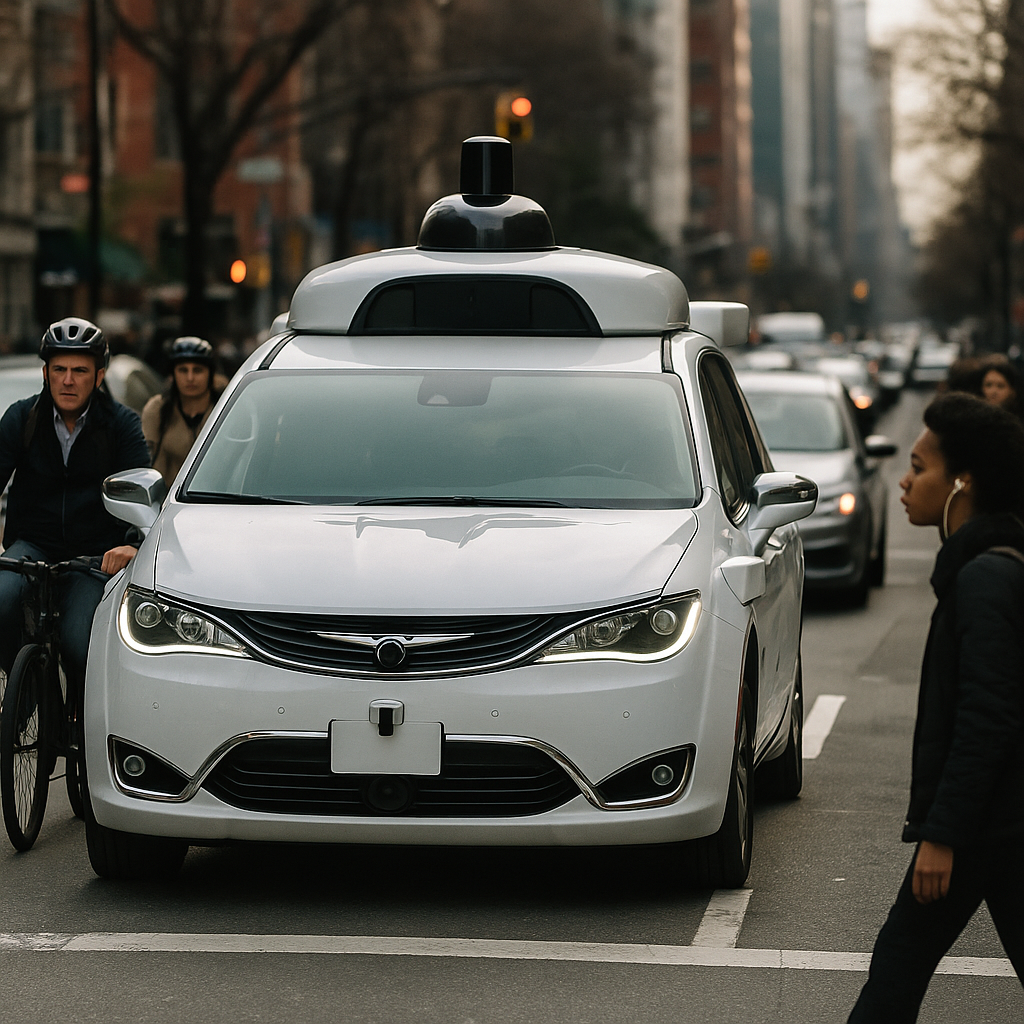
In trials conducted in San Francisco and Phoenix, Waymo’s vehicles have faced criticism for erratic driving behaviors, including abrupt stops, delayed responses at intersections, and difficulties interpreting the intentions of bicyclists or jaywalking pedestrians. According to industry analysts, it has become clear that real-world conditions, laden with unpredictability, remain a massive challenge that algorithms alone cannot yet overcome.
“Waymo’s reliance on human intervention isn’t an outlier,” notes automotive sector analyst David Hale. “It’s a reflection of an industry grappling with the enormity of its mission.” This demonstrates that the dream of truly driverless cars—once portrayed as imminent—is still plagued by gaps, despite years of testing and billions of dollars in investment.
Ethical and Practical Concerns Emerge
The use of offshore labor for something as safety-critical as controlling cars also raises ethical concerns. Critics argue that delegating crucial real-time decisions to underpaid and overworked remote operators—possibly thousands of miles away—introduces a new layer of risk. “These workers are often asked to make snap decisions while juggling multiple vehicle feeds,” says Sophia Lin, a tech ethics expert. “This is far from ideal, particularly because such decisions involve public safety.”
Meanwhile, advocacy groups are drawing attention to the potential exploitation of these workers, who are reportedly paid considerably less than their counterparts in North America or Europe. Furthermore, questions are arising about the training, working conditions, and accountability of these operators in case of accidents or fatalities. As Lin further points out, “If an autonomous vehicle steered remotely causes a collision, who is held responsible? The operator? Waymo? The AI?”
Legal and Market Pressures Push Companies to Cut Corners
Pressure to dominate the driverless car space may be fueling practices like outsourcing. Pioneering companies like Waymo need to justify their valuation to investors while competing with firms like Tesla, Cruise, and others. This aggressive pace often leads to cutting corners in the development process—a notion not unique to Waymo but prevalent in the broader tech sector.
Experts also argue that regulatory inconsistencies compound these dynamics. In the absence of standardized requirements for what constitutes ‘autonomous’ capabilities, companies are left to set their own operational definitions. This has created a murky environment where self-driving systems operate as part AI, part human—while still being marketed as revolutionary.
The Future of ‘Autonomy’: What to Watch
For the consumer, this revelation underscores the importance of transparency in how emerging technologies operate. As policymakers and regulators work to catch up with technological advancements, the emphasis should move toward clearer labeling and accountability for how these systems function in real-world scenarios.
Waymo’s reliance on human intervention is a stark reminder that the path to fully autonomous vehicles is longer and more complex than tech companies initially promised. It raises difficult but necessary questions about the ethical implications of outsourcing critical safety tasks to low-cost labor markets. Moreover, it forces the industry to acknowledge that AI might never completely replace the nuanced decision-making abilities of human operators.
In the years to come, the self-driving car sector will likely experience heightened scrutiny—not just from regulators, but also from a more informed and wary public. Will automakers rethink their business models and ethical practices? Or will they continue down a cost-cutting path? That remains to be seen, but one thing is certain: the road to true autonomy will take longer than anticipated, with a few human detours along the way.