Understanding the Deadly Proliferation of Death Cap Mushrooms in California
This winter’s unusually rainy weather in California has sparked an alarming and deadly rise in toxic mushroom poisonings. Known as the death cap mushroom (Amanita phalloides), this highly dangerous fungus has claimed the lives of four people since mid-November 2025 and left three others requiring lifesaving liver transplants. Experts are now warning residents to steer clear of foraging for wild mushrooms altogether due to the heightened risks posed by these seemingly innocuous fungi.
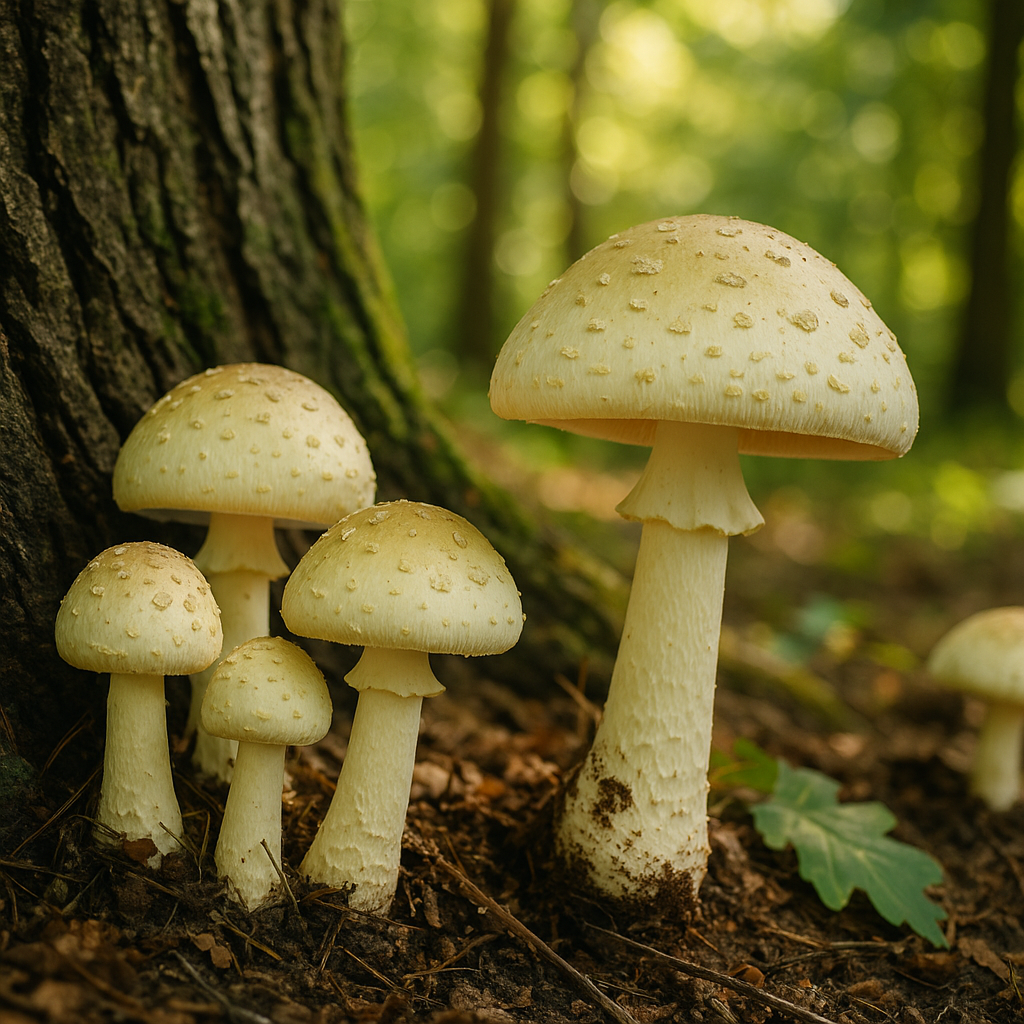
Death Cap Mushrooms: Nature’s Silent Killer
Described by experts as one of the most lethal mushrooms in the world, the death cap mushroom contains amatoxins—potent, fast-acting toxins responsible for approximately 90% of mushroom-related fatalities globally. These toxins target the liver, rapidly causing acute liver injury and even organ failure. While the mushroom may look harmless and may resemble edible varieties, consuming even a tiny amount can lead to severe consequences or death. Worse still, cooking or drying the mushrooms does nothing to diminish their toxicity.
The California Department of Public Health (CDPH) has issued an urgent warning for residents to avoid foraging for mushrooms due to the sheer scale of the problem this year. According to Dr. Craig Smollin, medical director for the San Francisco Division of the California Poison Control System, the scale of poisonings this season is unprecedented, with nearly 40 cases reported since November 2025. “Having almost 40 cases in one year is very unusual,” Smollin said in an interview.
An Explosive Growth Triggered by Climate Conditions
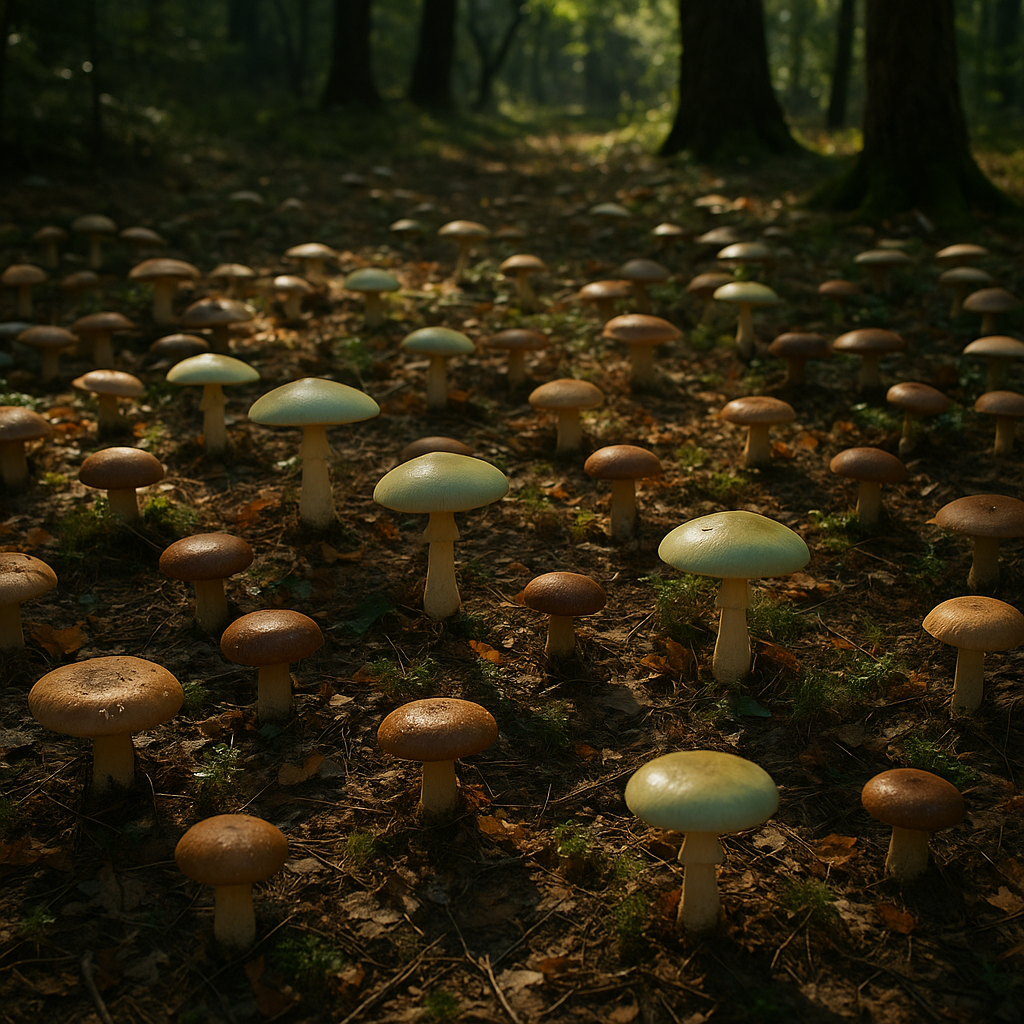
Experts attribute the explosion of death cap mushrooms this season to a perfect storm of climatic factors. Early rains combined with lingering warm temperatures have created ideal conditions for this toxic fungus to flourish. Often found near oak trees, the death cap can grow in forests, city parks, and even suburban gardens, making it difficult for uninformed citizens to avoid.
The phenomenon is akin to a “super bloom,” according to mycologists tracking this year’s mushroom growth. “This level of abundance showcases how easily the boundaries between nature and human activity can blur,” said an unidentified expert familiar with the incident. However, this proliferation is a stark reminder of how climate variability can have unforeseen and harmful consequences.
Mystery and Misjudgment: Real-Life Tragedies
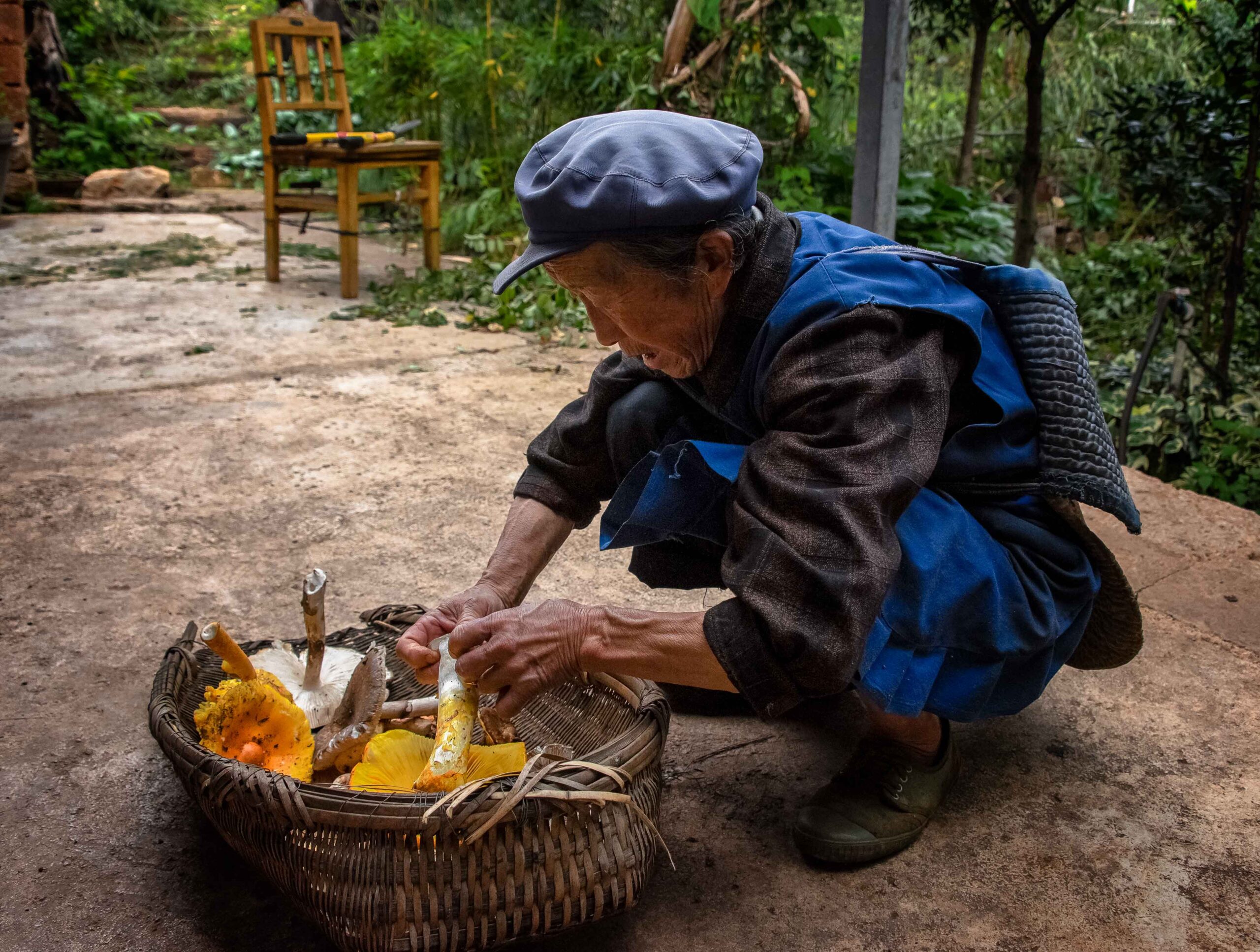
Foraging for mushrooms has long been a beloved activity for families and enthusiasts from various communities. But as recent cases highlight, even experienced foragers can make fatal mistakes. Laura Marcelino, a resident of Salinas, California, shared a harrowing account with the San Francisco Chronicle. Marcelino’s family inadvertently consumed death cap mushrooms when cooking what they believed to be safe fungi, similar to the varieties they had foraged in their native Oaxaca, Mexico. Her husband fell gravely ill only hours after eating the mushrooms. “We thought it was safe,” Marcelino said, explaining how unnoticed errors can lead to devastating consequences.
While some members of her family remained unharmed due to their aversion to mushrooms, this story underscores the difficulties in distinguishing lethal mushrooms from edible ones, especially for individuals drawing on cultural or regional experiences with fungi.
Why Prevention Is the Key
As the effects of climate change reshape natural ecosystems, government agencies and medical professionals are urging the public to prioritize safety over curiosity. Foraging mushrooms inherently carries an element of risk, but the current outbreak highlights the urgent need for greater education around wild fungi.
“The issue isn’t just awareness, but how easily mistaken identity can occur even among trained foragers,” said Dr. Smollin. Indeed, relying on appearance or past experience to identify mushrooms is far from foolproof. With amatoxins being heat-resistant, methods like cooking or drying mushrooms also fail to neutralize their danger, giving people a false sense of safety.
In response, the CDPH has doubled its efforts to communicate the risks through public health campaigns, social media outreach, and partnerships with local organizations. Poison control centers across the state are also on high alert, prepared for an influx of mushroom-related emergencies in the coming months.
The Bigger Picture: Implications for Health and Policy
The death cap surge brings broader implications for public health and environmental policy. Mushroom foraging, for example, holds cultural significance for many communities, including immigrant groups who bring culinary traditions that rely on gathering wild fungi. Policymakers have an opportunity to work with these communities to balance cultural preservation while safeguarding public health.
Moreover, this incident sheds light on how climate change can cause ripple effects across ecological systems, sometimes producing lethal consequences. A deeper understanding of how shifts in temperature and rainfall patterns affect toxin-producing fungi is essential. Increased funding for research into mushroom ecology could be a step toward mitigating future risks.
What to Watch For
The rise in death cap mushrooms will not subside overnight, and California residents will need to remain vigilant. Public education campaigns and outreach programs could play a crucial role in preventing further injuries and loss of life this year. Meanwhile, medical professionals are urging people to store poison control numbers in their phones and seek immediate medical attention if they suspect mushroom poisoning.
In addition, experts recommend buying mushrooms exclusively from trusted vendors when cooking at home and avoiding any homemade remedies to neutralize toxic fungi. Preventative measures and quick medical intervention will remain the best defenses against an unpredictable and growing threat.
California’s experience serves as a cautionary tale about respecting nature’s power. While the state’s diverse environment offers a bounty for exploration, it also comes with the responsibility to understand its risks. As the effects of environmental change amplify the uncertainty around foraging, policymakers, medical experts, and citizens must work collectively to ensure such tragedies can be avoided in the future.