Nearly a Thousand Google Workers Urge Divestment from ICE and CBP
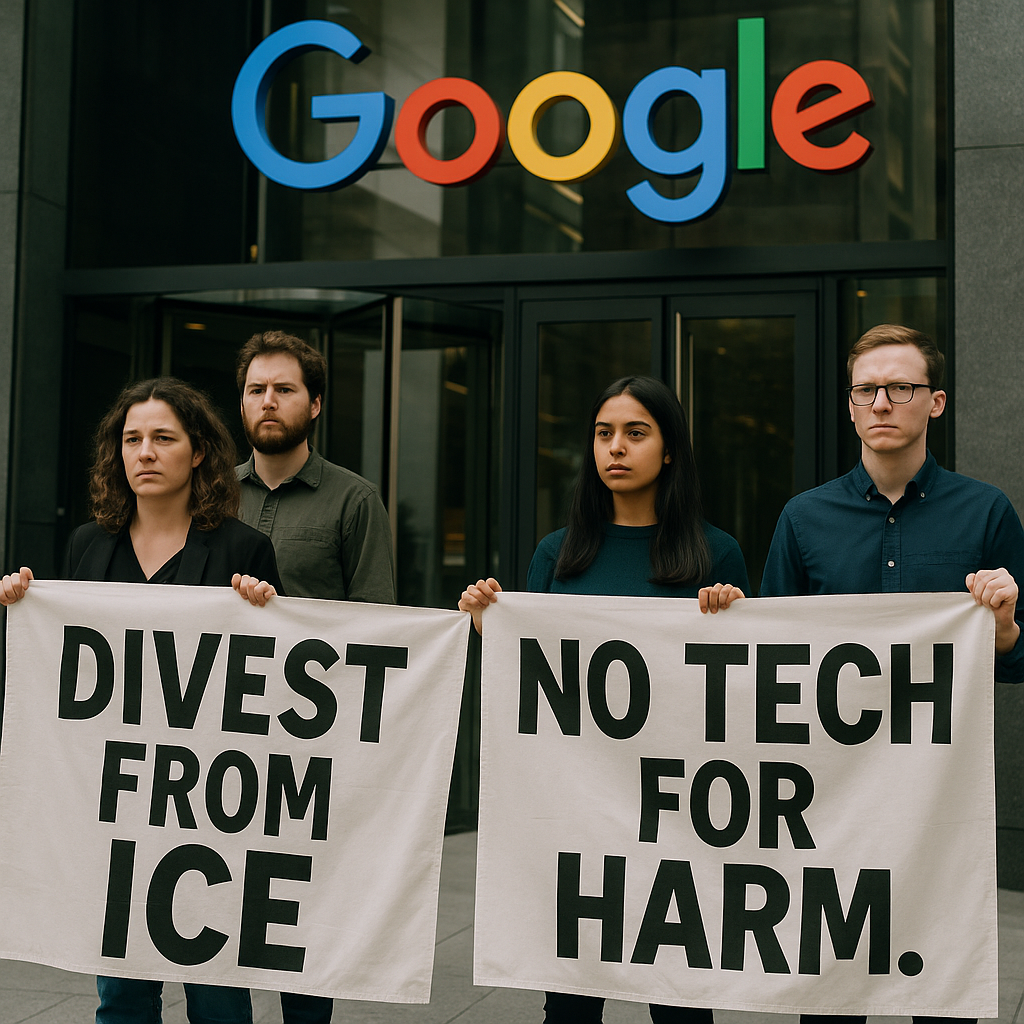
In what is shaping up to be one of the most significant pushbacks from the tech world against government contracts, nearly 1,000 Google workers have signed an open letter urging the company to divest from partnerships with U.S. Immigration and Customs Enforcement (ICE) and Customs and Border Protection (CBP). This act of defiance places Google at the center of a growing debate about tech ethics, corporate responsibility, and the increasingly influential voice of employees in shaping business decisions.
Google’s Partnerships: A Source of Controversy
Google’s contracts with ICE and CBP have come under scrutiny in recent years, as both agencies face public backlash for their handling of immigration and border-related enforcement. According to CNBC, the open letter was signed by approximately a thousand Google employees who expressed concern over rising violence and alleged human rights violations linked to these agencies. The letter demands that Google cut ties with ICE and CBP to avoid becoming complicit in policies that many workers see as discriminatory or harmful.
These partnerships often include providing advanced technology such as AI-powered tools, cloud services, and other solutions critical to operational efficiency in such agencies. Industry analysts have pointed out that digital infrastructure could be implicated in controversial actions, such as tracking undocumented immigrants, separating families, or escalating enforcement tactics on the border.
Ethics vs. Profit in the Tech World
The tension between ethical considerations and profit-driven decision-making is a persistent quandary for tech giants. Google is no stranger to controversy regarding its contracts with government agencies. Similar unrest followed its involvement in Project Maven, a Pentagon initiative for AI-powered drone systems, which led to over 3,000 employees signing petitions back in 2018.
Industry observers note that such internal dissent reflects a broader cultural shift within corporations. “Employees are increasingly aware of the power they hold and are stepping up to challenge their companies on moral grounds,” said Steve Cunningham, a tech consultant and founder interviewed by Duct Tape Marketing.
Moreover, these moments force companies into a delicate balancing act—keeping high-profile contracts to diversify revenue streams while maintaining public and employee trust. The pressure isn’t just ethical; it can lead to reputational risk and impact stock performance, especially in a polarized and vocal era.

Google Employees Building an Ethical Vanguard
The movement within Google illustrates changing dynamics in the employee-employer relationship. Workers increasingly see themselves as guardians of ethical practices, challenging corporate policies in public, in stark contrast to past norms of quiet compliance. This has implications for recruitment, brand positioning, and the cultural identity of companies.
“These letters and protests are not just about ICE or CBP. They are raising larger questions about the role of tech in today’s society,” Laura Blake, author of “They Poisoned the World: Life & Death in the Age of Forever Chemicals”, commented in a parallel context, emphasizing “how foundational technologies have become in influencing policy and governance.”
Such initiatives empower employees to create lasting change. However, they also demonstrate vulnerability in corporations where internal dissent can leak into the public domain, making operational decisions a subject of social debate.
What Could Divestment Mean for Google?
What happens if Google complies with its employees’ demands and divests from ICE or CBP? Analysts predict a ripple effect across the tech sector. Likely scenarios include other tech giants reconsidering similar contracts or employees at rival companies initiating their own petitions. These movements could shift corporate decision-making across Silicon Valley and beyond.
However, divestment also presents a risk of losing lucrative revenue streams. Government contracts typically guarantee steady income backed by institutional reliability. As Braden Kelley explored in his “Concentrated Wealth, Consolidated Markets, and the Collapse of Innovation”, losing key partnerships can exacerbate financial constraints, especially when that income fuels investment in innovation.

In the long term, what Google does could impact its image as a leader in the ethical tech space—a mantle increasingly coveted in competitive markets. If handled poorly, this could dent public perception and cost the company much more than dollar value.
Implications and What’s Next
With tension mounting, there’s much to watch out for in the coming weeks. Will this movement garner widespread attention and definitive action, or will it fade into the backdrop, like so many corporate protests before it? Employees are becoming more empowered by platforms for collective action, posing the question: how much influence should they wield?
Companies across industries could find themselves redefining ethical governance protocols to navigate this growing trend of employee advocacy. Furthermore, governments will likely examine their partnerships with tech providers under increasing public scrutiny.
As Google deals with the repercussions of this letter, one thing is certain—the complex intersection of technology, governance, and corporate ethics will only grow more contentious.
The outcome of this controversy could serve as a precedent not just for Google but for the entire tech industry. It appears the debate between ethics and efficiency in big tech is far from over.