Cuba Warns Airlines: Out of Fuel for Planes in 24 Hours
The aviation industry is facing yet another crisis—this time in Cuba, where José Martí International Airport in Havana has issued a stark warning that Jet A-1 fuel, essential for commercial aircraft, will not be available starting February 10, 2026. This unprecedented situation lays bare a deepening energy collapse within the island nation and could have cascading effects beyond its borders.
An Exceptional Warning in Exceptional Times
What makes this situation particularly alarming is its rarity. According to an official aeronautical Notice to Air Missions (NOTAM), identified as A0356/26, the absence of Jet A-1 fuel in Havana represents a logistical catastrophe. As reported by CiberCuba, this operational limitation will remain active for at least a month, causing international airlines to scramble for alternatives.
Such notices, commonly issued in unexpected situations such as adverse weather or technical outages, typically resolve within days. A prolonged fuel outage of this magnitude, however, highlights the crumbling infrastructure of Cuba’s energy sector—strained by decades of inefficiency and reliance on external supplies. José Martí International Airport, the nation’s premier hub for international and domestic aviation, is now in a fragile state echoing broader economic instability.
Global Aviation and Economic Ripples
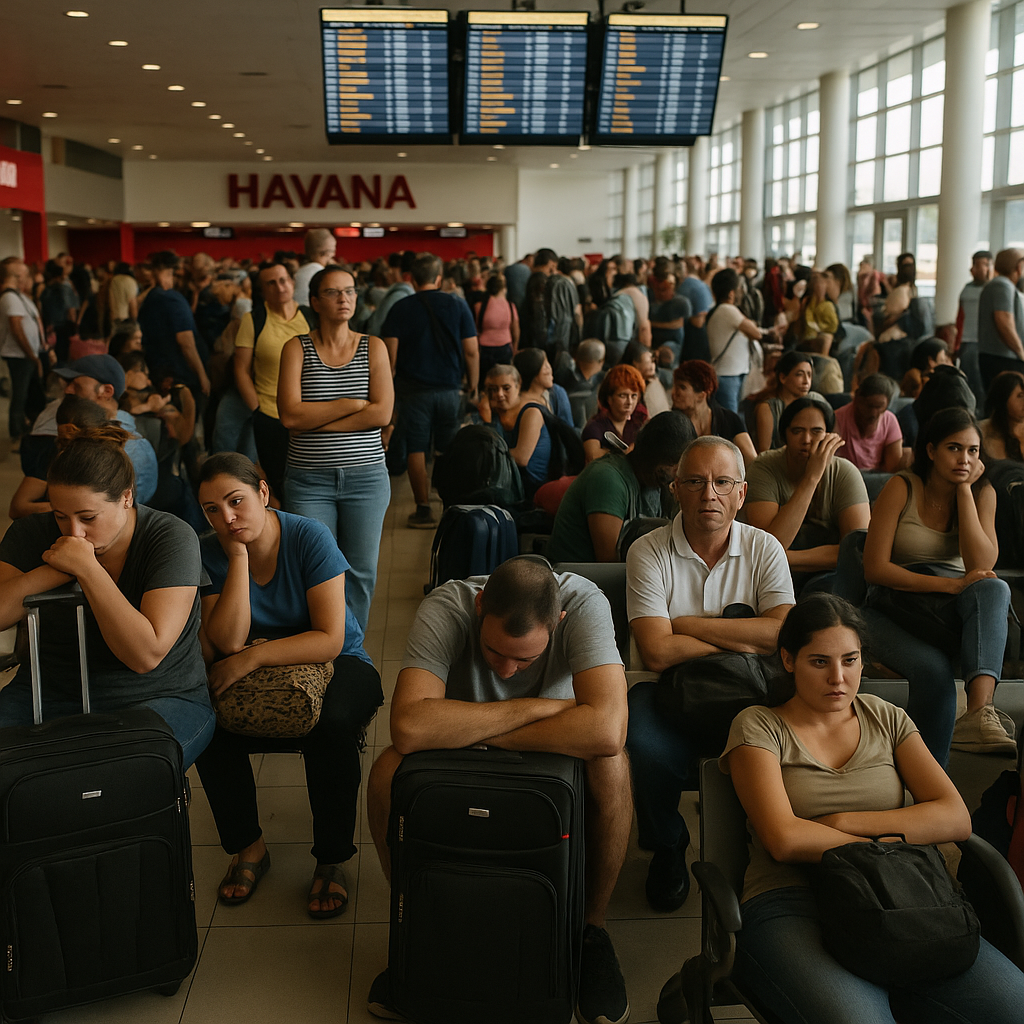
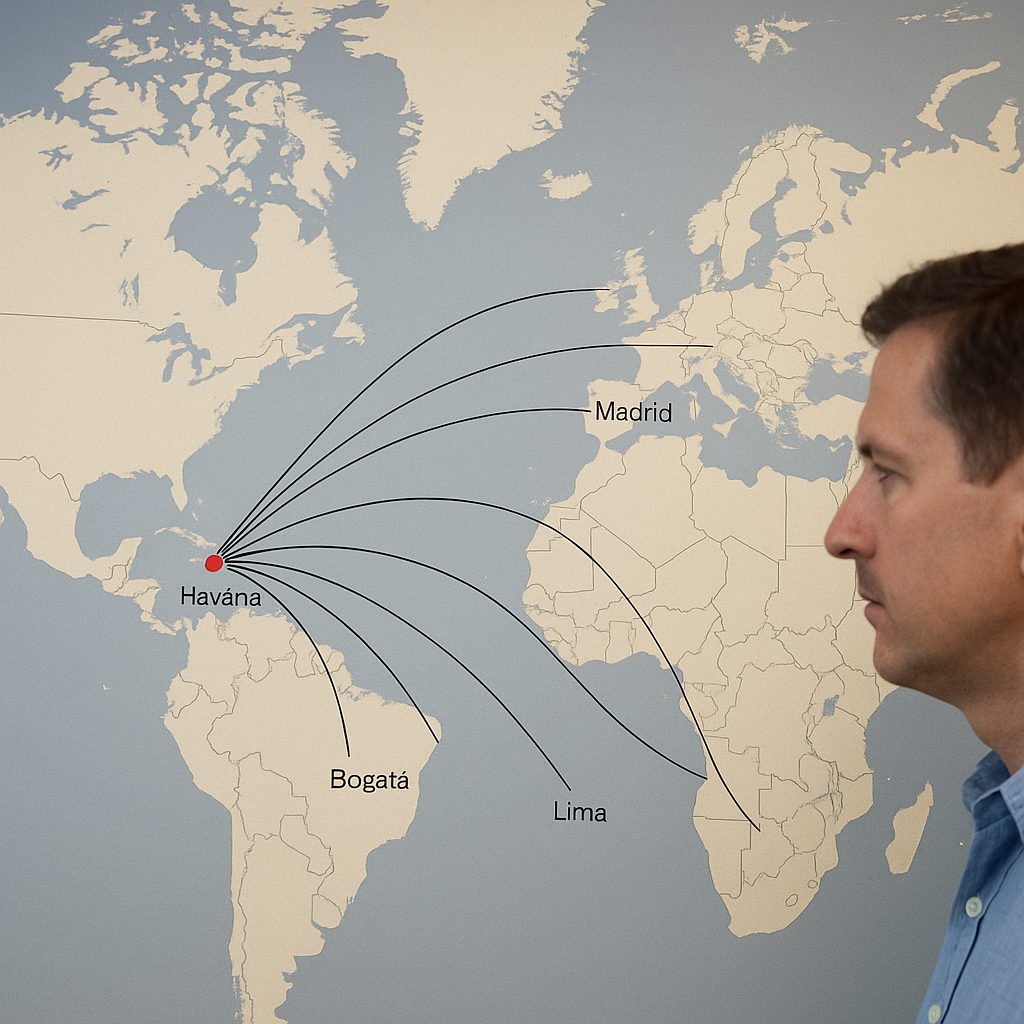
The impact of Cuba’s fuel shortage will reverberate far beyond its airspace. Airlines servicing popular routes like Miami, Madrid, Panama City, and Cancun must now revise operational plans. Options include carrying additional fuel reserves from departure points, making refueling stops in third countries, or, in the worst-case scenario, outright canceling flights.
These alternatives are costly, as industry analysts like Ravi Mehta of Aviation Outlook International point out. “Rerouting flights or carrying additional fuel imposes logistical demands. This inevitably affects ticket prices and cargo fees,” Mehta says. For economies that rely on tourism—including Cuba itself—the resultant short-term economic losses could be severe. Cargo operations, business charters, and essential supplies also face uncertainty.
The disruption may further complicate political relations and trade with Cuba’s regional allies. Previous interruptions in Cuban oil imports from Venezuela have already left the nation ill-equipped for sustained crises, as noted by Reuters in earlier reports.
The Larger Energy Crisis Unfolding in Cuba
Cuba’s current aviation crisis stems from deeper structural issues in its energy sector. For years, the country relied on Venezuelan oil supplies, courtesy of preferential agreements with the Maduro regime. However, Venezuela’s economic decline has dried up these lifelines. Recent moves by the United States, including sanctions limiting oil supplies to Havana, have only exacerbated the situation.
As reported by Al Jazeera, U.S. foreign policy toward Cuba has intensified under President Donald Trump, including the signing of restrictive tariffs in January 2026. These sanctions, grounded in national security concerns, target Venezuela and other countries that may supply Cuba with fossil fuels. Airlines now find themselves swept into geopolitical currents amid the island’s energy collapse.
This isn’t the first sign of logistical fragility in Cuba, but the international airport’s fuel outage highlights how far-reaching the problem has become. Industry observers, like economic analyst Daniela Rodriguez, argue that the Cuban government’s inability to modernize essential infrastructure—airports, power grids, and refineries—has left the country vulnerable to breakdowns.
Implications for Cuba and Global Aviation
Logistical chaos aside, the NOTAM underscores another crisis for Havana: damaged international credibility. Airlines must now decide whether continuing routes to Cuba is worth the financial and reputational risks of operational disruptions. The situation represents a moment of reckoning for the Cuban government, which is under growing pressure to return stability to its energy systems amid international scrutiny.
Meanwhile, broader aviation risks loom elsewhere. Comparable crises have occurred in other regions, as highlighted by ProPublica. For example, experimental activity near Mexico City related to SpaceX rocket launches required airlines to adopt “extreme caution” due to operational gaps. Though isolated from Cuba’s energy woes, these warnings expose vulnerabilities in the aviation ecosystem caused by external disruptions.
What Comes Next?
Cuba’s continued operational lapses point to challenges for the aviation industry in the short term, but also signal deeper geopolitical pitfalls. Will Havana reach agreements to import aviation fuel from alternative sources? Could investments in renewable energy stabilize operations at critical hubs like José Martí International Airport?
Passengers, cargo operators, and industry stakeholders are urged to stay updated on Cuban airport NOTAMs, which will dictate near-term travel feasibility. For now, the absence of Jet A-1 fuel adds yet another layer to Cuba’s growing list of economic disruptions. It also leaves a lingering question: how prepared are airlines for volatile crises like this? The answer may hold implications for global aviation at large.
As this crisis unfolds, observers will keep a close eye on Cuba. For travelers, businesses, and foreign governments, the broader urgency regarding infrastructure modernization on the island is becoming impossible to ignore.