‘Take the Vaccine, Please’: The U.S. Appeals Amid Surging Measles Cases
The United States finds itself grappling with a potential public health crisis as measles outbreaks surge across multiple states, threatening its status as a country that previously eliminated the disease. The urgency reverberates from health officials with pleas for vaccination, as skepticism over vaccines grows among segments of the population.
Measles Outbreaks Put Public Health at Risk
According to Dr. Mehmet Oz, the Administrator for the Centers for Medicare and Medicaid Services, the rise in measles cases is alarming enough to warrant immediate medical action. “Take the vaccine, please,” Dr. Oz emphasized during a recent interview on CNN’s “State of the Union.” While Medicare and Medicaid continue to cover the measles vaccine, Oz highlighted that measles remains an easily preventable yet highly contagious disease that disproportionately impacts children.
Recent outbreak statistics are sobering. A measles outbreak in South Carolina, already surpassing last year’s Texas outbreak, has seen hundreds of new cases. Another significant cluster has arisen at the Utah-Arizona border. Experts believe that misinformation surrounding vaccines has played a role in undermining public efforts to mitigate these outbreaks.
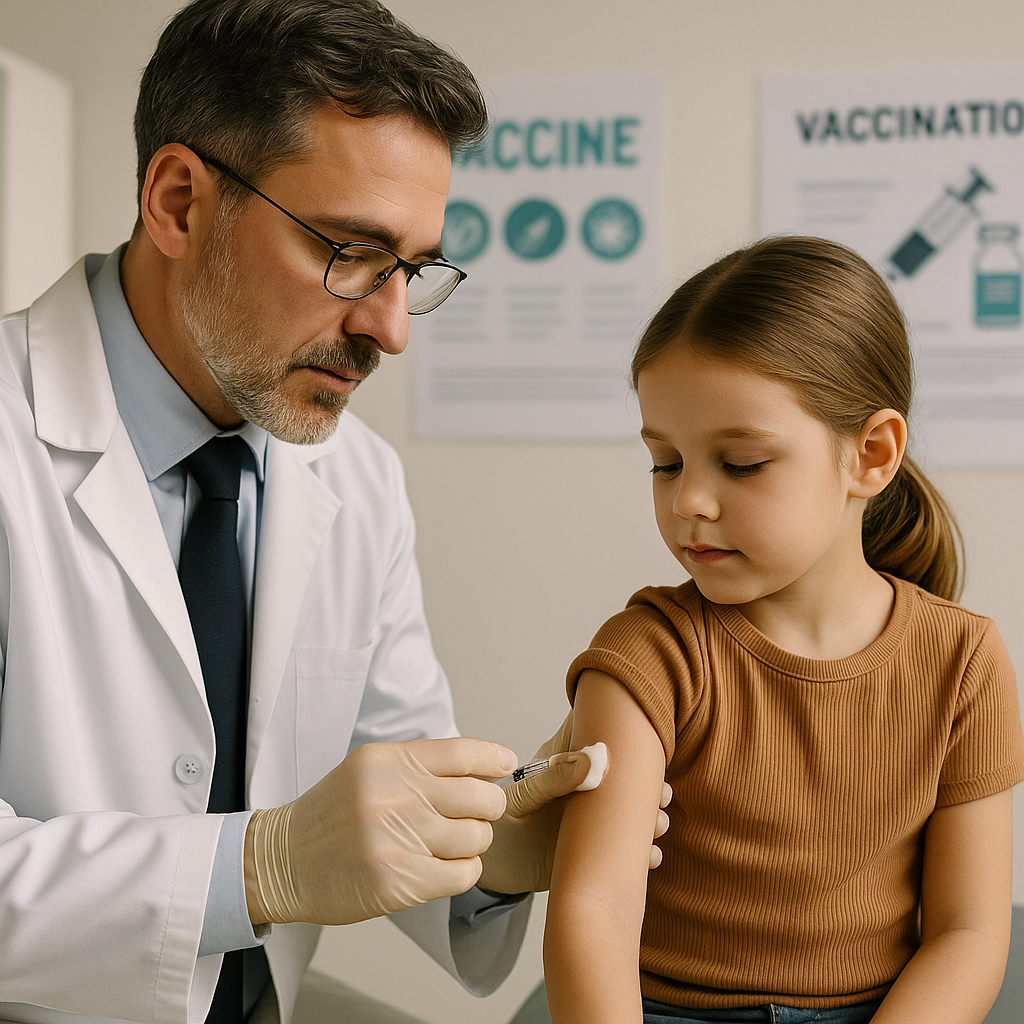
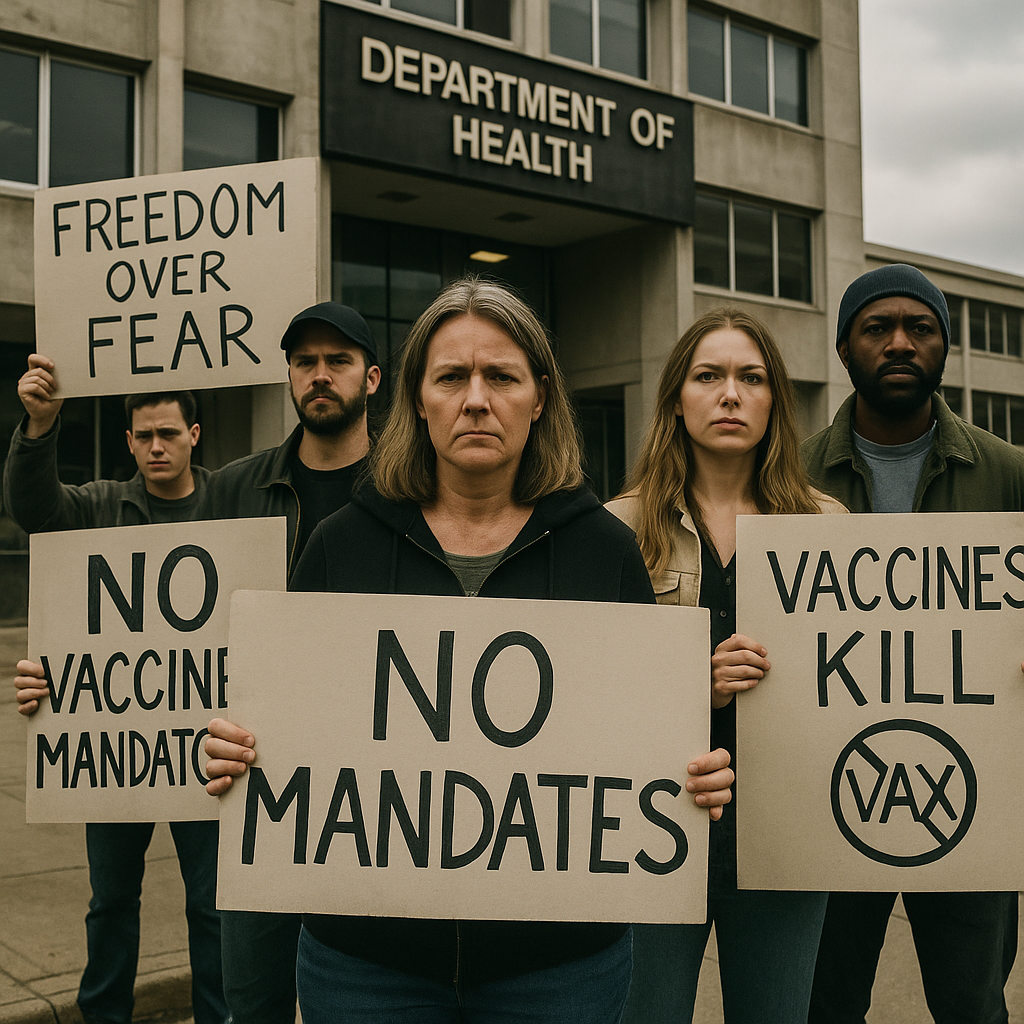
How Vaccine Distrust Complicates Public Health Goals
The resurgence of measles comes at a time when vaccine skepticism has gained traction in the United States. Some public health analysts note that mistrust isn’t limited to fringe communities and is now shaping federal vaccine policies. As reported by Truthout, Secretary of Health and Human Services Robert F. Kennedy Jr. has been sued by several public health groups over his perceived influence on vaccine scheduling recommendations. Kennedy’s track record includes remarks that have raised suspicions about vaccine efficacy, particularly among childhood vaccines.
Dr. Oz, in his interview, clarified that Kennedy has publicly supported the measles vaccine amidst recent outbreaks. “When Texas saw its first outbreak, Kennedy said, ‘Get your vaccines for measles,’ arguing that it’s a necessary preventive measure. His stance is consistent despite broader debates surrounding the vaccine schedule,” Oz stated.
The Role of Politics in Public Health Messaging
Political figures have inadvertently added fuel to the vaccine controversy over the years. According to Bleeding Cool News, public figures like actor Noah Wyle have used their platforms to amplify anti-vaccine sentiments, drawing a mix of support and criticism. Coupled with occasional ambiguous messages from health officials, the polarized atmosphere has left many Americans questioning vaccine policies.
Other observers point out that previous administrative stances, including allegations that former National Institutes of Allergy and Infectious Diseases Director Anthony Fauci downplayed natural immunity, have complicated health narratives. According to Wnd.com, Biden-era officials were accused of overstating the necessity of COVID-19 vaccines, which detracted from public trust in broader vaccination efforts and cast shadows over measles immunization campaigns.

What Needs to Change for Success?
There’s general consensus among health professionals that transparent, apolitical dialogue rooted in science is key to rebuilding public trust. Efforts to reshape vaccination messaging must de-emphasize fear tactics while highlighting success stories of eradication and inoculation. Additionally, local-level outreach programs and vaccination drives in communities seeing the fastest outbreak growth could prove essential.
As reported in the Boston Herald, neglect of systemic solutions like the Vaccine Injury Compensation Program has further strained public perceptions. By addressing grievances regarding vaccine injury protocols while amplifying education around safety measures, federal agencies like the CDC can mitigate vaccine hesitancy.
Implications for 2026 and Beyond
The roadmap toward recovering measles elimination status doesn’t stop with vaccination alone. It will require collaborative efforts from federal health agencies, local governments, community leaders, and media figures to stem the tide of vaccine hesitancy.
Observers are keen to watch how state legislatures follow through with booster campaigns. They’ll also track how changed messaging under the influence of RFK Jr., who critics argue already faces severe public distrust, evolves in response to outbreaks. Could the U.S. ultimately be facing more outbreaks as political division continues to muddle scientific consensus?
For now, as Dr. Oz urged, “Take the vaccine, please,” remains the most straightforward advice Americans can follow to protect themselves and others.