Irish Man with Valid US Work Permit Held in ICE Detention for Five Months
In an unsettling case that highlights the complexities and controversies of the American immigration system, Seamus Culleton, an Irish man who has lived in the United States for almost two decades, has spent five months in US Immigration and Customs Enforcement (ICE) detention. Despite possessing a valid work permit and being married to a US citizen, he now faces deportation. His story raises pressing questions about due process, systemic inefficiencies, and the human toll of immigration enforcement.

From Kilkenny to Boston: A Life Interrupted
Culleton’s journey to the United States began in 2009 when he entered on a visa waiver program. He overstayed his initial visa but later married a US citizen, Tiffany Smyth, and applied for lawful permanent residence under statutory exemptions. By April 2025, he obtained authorization to work legally in Boston, where he owns and operates a successful plastering business.
His idyllic life took a dark turn on September 9, 2025, when ICE officers detained him during a random immigration sweep at a hardware store. According to his attorney, Ogor Winnie Okoye of BOS Legal Group, Culleton was carrying a valid work permit tied to his pending green card application. However, his arrest has kept him from attending critical interviews to complete the legal status confirmation process.
“This man is a model immigrant. He’s worked hard, maintained a spotless record, and contributed positively to his community. His continued detention is inexplicable,” Okoye told The Guardian.
Inhumane Conditions and Bureaucratic Failures
After initially being detained at ICE facilities in Boston and Buffalo, New York, Culleton was transferred to El Paso, Texas, where he now shares cramped, squalid conditions with over 70 other detainees. Speaking to the Irish Times, he described the facility as cold and damp, with inadequate food supplies often leading to physical altercations. “It’s like a concentration camp, absolute hell,” Culleton lamented.
The ordeal worsened when contradictory claims surfaced about his willingness to contest deportation. While a judge approved his release on a $4,000 bond, ICE agents alleged that Culleton had signed documents agreeing to be deported—a claim he vehemently denies, asserting the signatures were not his. The bureaucratic missteps have left Culleton and his family caught in a legal limbo.

Systemic Complexity and Legal Loopholes
Culleton’s case exemplifies the vast gray areas in immigration law and enforcement within the United States. Visa overstays, even when followed by valid applications for legal residency, remain a contentious issue with significant consequences. While millions of immigrants rely on pathways like work permits tied to green card petitions, the layers of bureaucracy often lead to unforeseen complications.
According to industry observers, long-overdue reforms to the immigration system could prevent cases like Culleton’s. “Essentially, this is the result of a broken system that prioritizes enforcement over logic,” says a Boston immigration analyst. “Individuals with legal pathways should not end up treated as fugitives.” Recent passport and visa rule changes in the United Kingdom and Ireland also underline the global challenges of balancing legal immigration pathways with enforcement, as covered by ABC News.
A Family Torn Apart
For Culleton and his wife, the personal toll has been devastating. Tiffany Smyth, a US citizen, has tirelessly campaigned to secure her husband’s release, paying bond fees and working with legal experts to refute ICE allegations. Yet the emotion of the situation cannot be ignored. “We just want our family back together,” Smyth said in an emotional plea to local supporters. “Seamus has built his entire life here. To tear him away because of a clerical mistake is cruel and unjust.”
Beyond family reunification, advocates worry about how such cases ripple through immigrant communities. Stories like Culleton’s create fear and uncertainty among others in similar situations, discouraging them from seeking legal status or supporting their cases when detained.
Looking Ahead: Implications and Reforms
The case has reignited debates about the inefficiencies of ICE and the broader US immigration system. Experts suggest that a primary issue lies in the lack of uniformity regarding how cases are managed across states and detention facilities. For example, the fact that Culleton was moved from Buffalo to El Paso speaks to the chaotic nature of how deportation cases are handled.
A report on “Maintenance of Systems” published by Stripe stated that immigration systems need to prioritize operational efficiency and humanity. Improving transparency and streamlining processes may prevent detentions that are unwarranted or prolonged due to administrative errors.
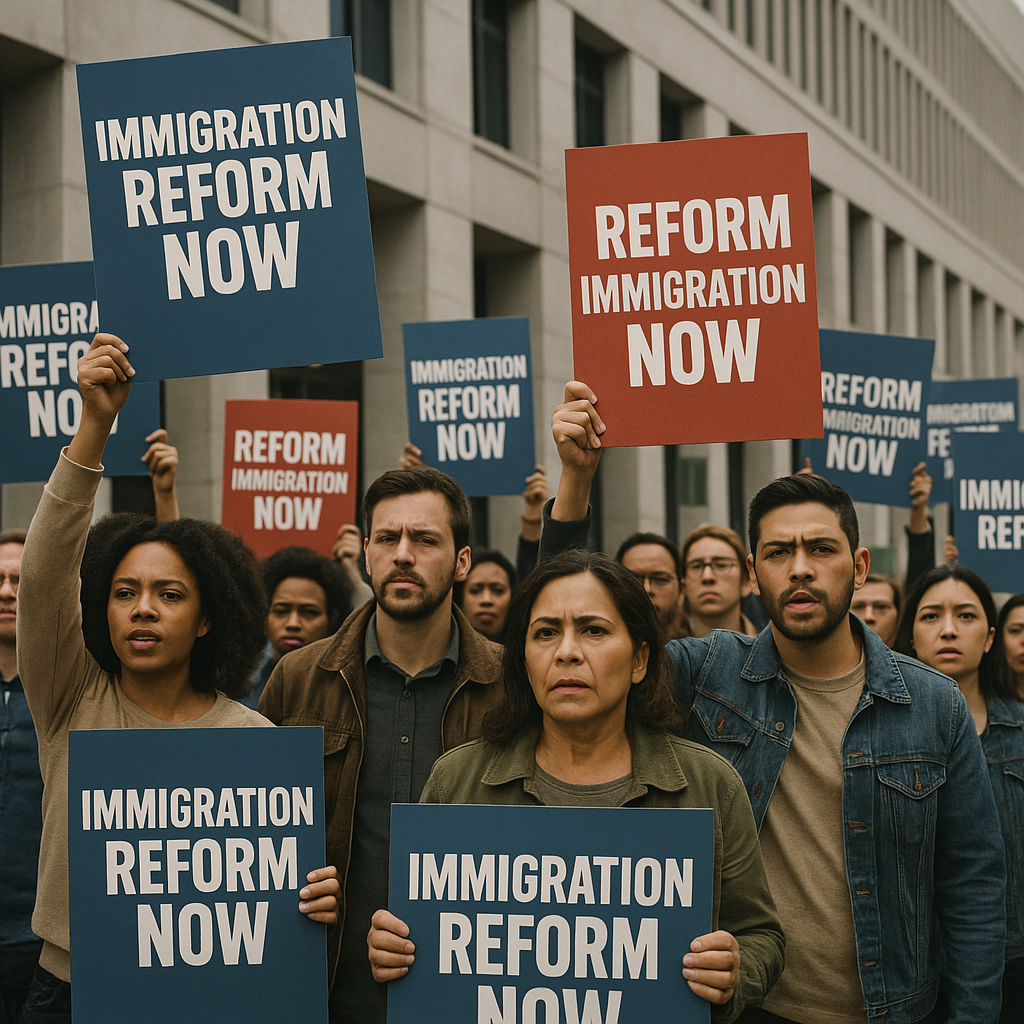
Meanwhile, growing advocacy for comprehensive reforms continues to gain momentum, particularly in key battleground states like New York and Massachusetts. As community leaders and lawmakers push for change, immigrant rights groups argue that solving cases like Culleton’s should set a precedent for future handling of legal immigrants detained by ICE.
Conclusion: What Comes Next?
As Seamus Culleton’s case inches towards resolution, it’s a stark reminder of the human cost of bureaucratic inefficiencies in immigration systems. His experience underscores the urgent need for compassion and clarity in immigration enforcement—a call that resonates far beyond the boundaries of Boston and El Paso.
Looking ahead, the outcome of Culleton’s case could influence broader discussions about detention practices and legal frameworks for immigrants with pending green card applications. For now, it remains to be seen whether the US government will opt to release him on valid grounds or pursue deportation despite his clear eligibility for lawful residence. As this story unfolds, stakeholders across the immigration spectrum will be watching closely.