The Troubling Arrest of ICE Background Checker in Prostitution Sting Sparks Larger Ethical Concerns
An arrest during a police operation in Minnesota has sent ripples through both the law enforcement and immigration communities. Brashad Johnson, a 36-year-old from Maple Grove, Minnesota, and an alleged background checker affiliated with Immigration and Customs Enforcement (ICE), is at the center of a case that has raised significant ethical questions about accountability and trust within government agencies. Bloomington Police Department’s sting operation, dubbed “Operation Lookin’ for Love…In All the Wrong Places,” may have exposed more than just criminal activities—it has opened a Pandora’s box regarding integrity and accountability in sensitive national security roles.

An Operation That Broke Records—but at What Cost?
“Operation Lookin’ for Love…In All the Wrong Places” marked an unprecedented high in arrests for such operations in Bloomington. Police Chief Booker T. Hodges announced during a press conference that the sting netted 30 arrests—a record number for the city in a single intervention. Among the 30 suspects, 28 were charged with gross misdemeanors, while two faced felony charges due to prior convictions. The operation also involved interactions with over 330 individuals attempting to solicit sex.
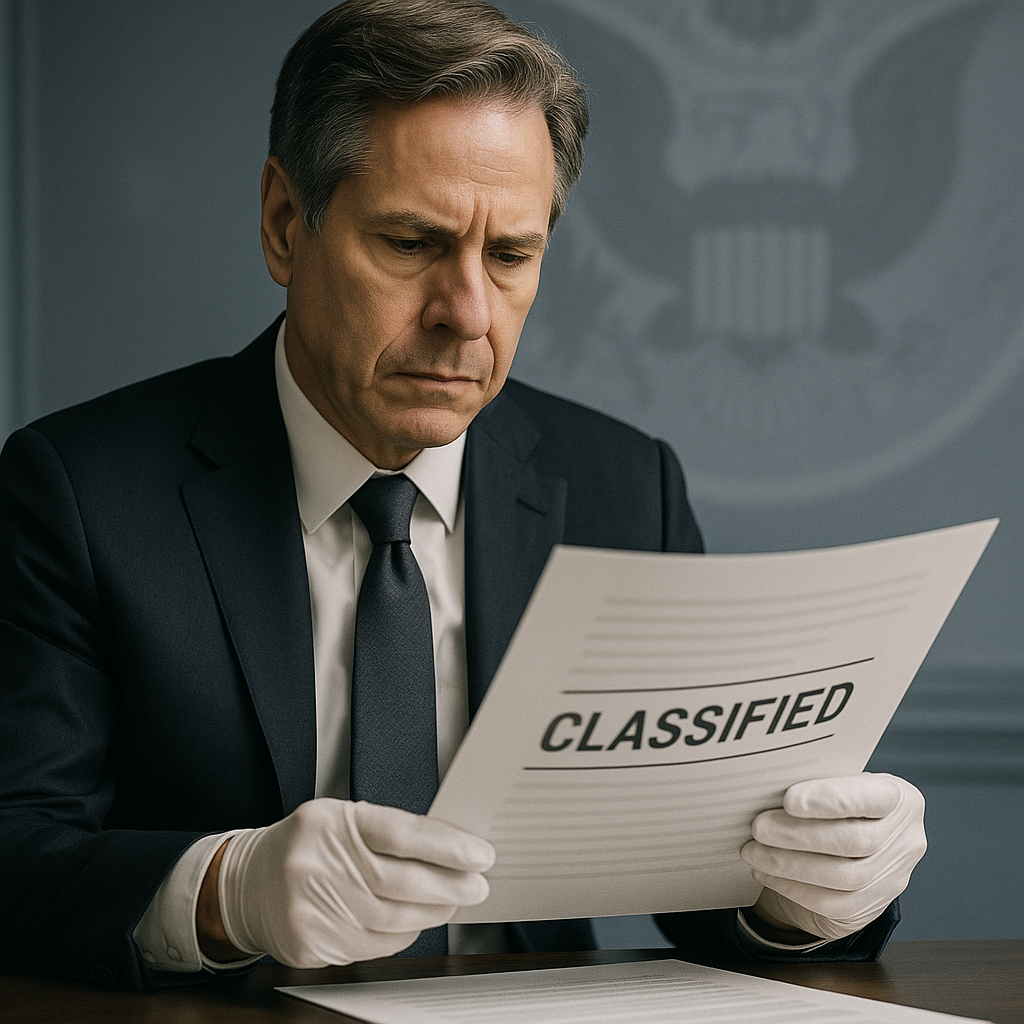
Chief Hodges expressed particular alarm about Johnson’s involvement, calling it the “most disturbing arrest” of the operation. “He is a backgrounder for ICE, Homeland Security, and federal agencies,” Hodges said. As part of the process of granting security clearances, Johnson’s alleged role signifies one of trust and necessity; yet his arrest throws his reliability and judgment into serious doubt.
Notably, the Department of Homeland Security (DHS) disputed any affiliation Johnson had with ICE. “This individual is NOT an ICE employee or contractor. He has no affiliation with ICE,” the DHS spokesperson told The Independent. This statement not only distanced the federal agency from the suspect but also raised further questions about public confusion regarding affiliations within the complex web of governmental contracting.
Trust at Stake: Why This Arrest Raises Systemic Concerns
This case offers a disconcerting glimpse into the ethical dilemmas surrounding government contractors and affiliated parties who play critical roles in national security. Background checkers are entrusted with ensuring that individuals granted security clearance are trustworthy and meet stringent standards. A breach in ethical conduct by one in this position, even in alleged personal pursuits, undermines the credibility of the broader system.
Industry observers argue that the case highlights the need for stronger oversight of contractors and employees engaged in high-stakes roles. Similar incidents in the past have rattled public confidence in government institutions. For instance, the Edward Snowden case revealed vulnerabilities in the contractor vetting process when Snowden leaked classified information after gaining clearance through his role at the NSA.
Public and Political Fallout: Reactions to the DHS Statement
While DHS sought to distance ICE from Johnson, the statement also redirected attention toward the agency’s broader challenges in navigating public perception. A spokesperson referenced a “1,300% increase in assaults against ICE law enforcement,” blaming this rise on what they described as “smears peddled by sanctuary politicians and the media.” However, no evidence was provided to substantiate this claim, raising skepticism about its veracity.
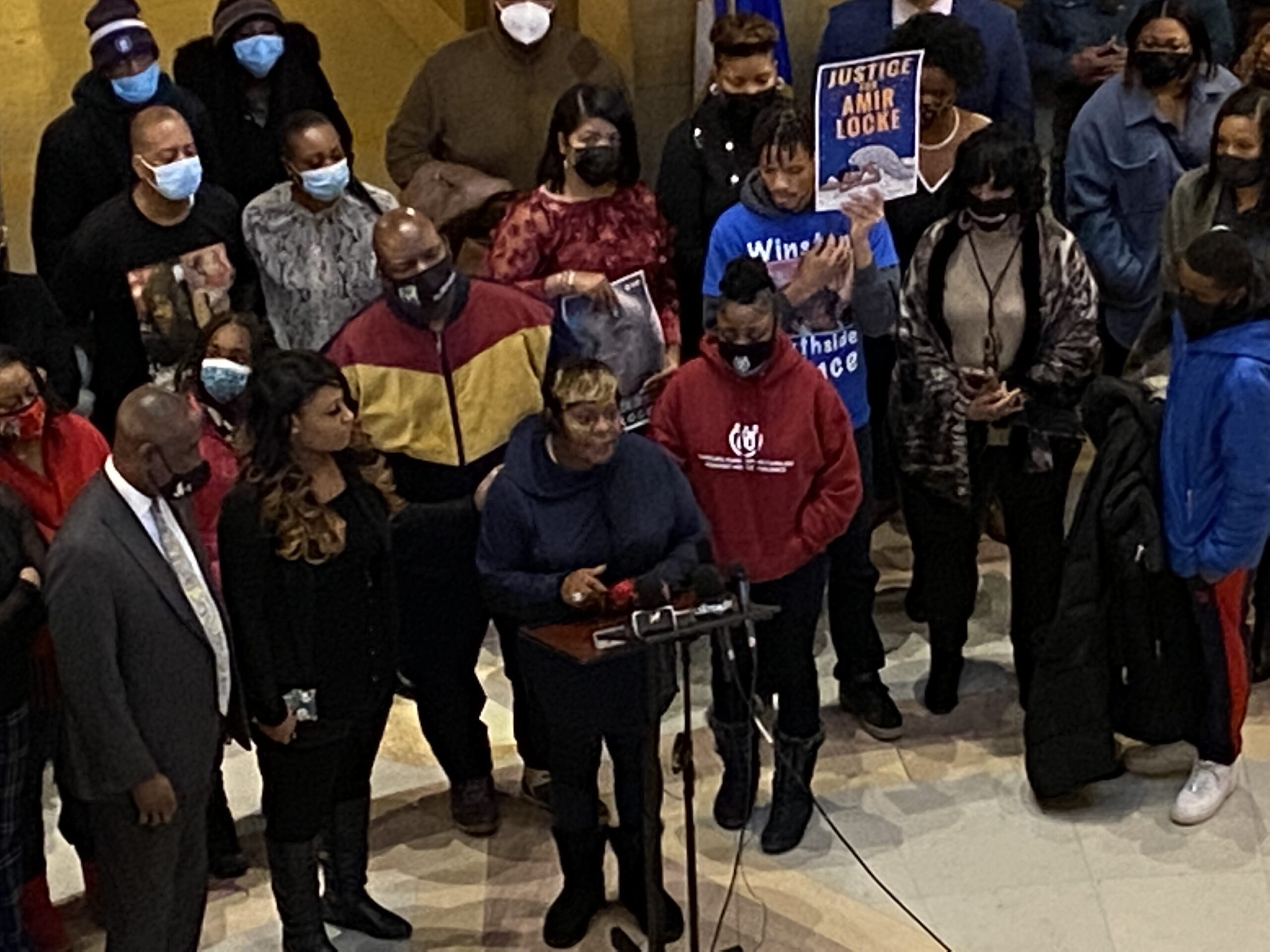
The statement inadvertently highlighted the fraught relationship between ICE and the public, especially amid ongoing debates surrounding immigration enforcement. In Minnesota, intense backlash has followed the White House announcement last week of 4,000 arrests linked to dangerous criminal illegal aliens. This crackdown has further fueled tensions between state agencies, immigrant communities, and federal authorities, a dynamic exacerbated by controversial incidents like the fatal shootings of Renee Good and Alex Pretti by federal agents last month.
The Ethical Questions Behind Prostitution Stings
“Operation Lookin’ for Love…In All the Wrong Places” also reignites debate about the morality, effectiveness, and broader implications of prostitution stings. Critics argue that while such operations aim to curb illegal activities, they often conflate those seeking services with broader systemic issues such as human trafficking, exploitation, and inequality.
In cases like Johnson’s, the focus shifts to the hypocrisy of individuals responsible for upholding moral and legal standards behaving contrary to those values. The sting operation illustrates not just legal transgressions, but also a lack of alignment between personal and professional ethics—an issue that permeates various industries.
What’s Next: Implications and Watch Points
Moving forward, this case may attract increased scrutiny on how the government vets contractors and ensures ethical compliance for sensitive positions. Calls for reform are expected to intensify, including suggestions for more detailed background checks for those conducting screenings themselves. Additionally, judicial proceedings for Johnson and others arrested in the operation will likely amplify conversations about accountability in law enforcement and contractor roles.
For Bloomington specifically, the operation reveals gaps between federal initiatives and local enforcement; Chief Hodges noted confusion caused by overlapping efforts like DHS’s “Operation Metro Surge,” where residents mistook local police for ICE agents. Addressing logistical and communicative shortcomings between agencies may form another critical takeaway.
More broadly, discussions surrounding ICE and DHS operations remain intertwined with public debates on immigration policies, human trafficking, and criminal accountability. Observers are now watching whether the fallout from this case will generate policy adjustments or simply fade into the backdrop of ongoing controversies.
Ultimately, Johnson’s arrest underscores the importance of aligning institutional roles with ethical responsibility—an alignment many argue must be formalized and rigorously enforced. Until these breaches are taken seriously, public trust in law enforcement and government agencies alike will remain tenuous at best.