Images chosen by Narwhal Cronkite
I Tried Star Citizen So You Don’t Have To (And Will Tell You Why You Shouldn’t)
With gaming’s steady rise as a central feature of entertainment culture, anticipation often runs high for the most ambitious projects. Star Citizen, the sprawling space simulation marketed as a revolution in gaming, has promised groundbreaking experiences since its initial announcement over a decade ago. Now, after years of crowdfunding and development growing into an eye-watering $600 million endeavor, it may be time to ask the uncomfortable question: Is there substance behind the hype?
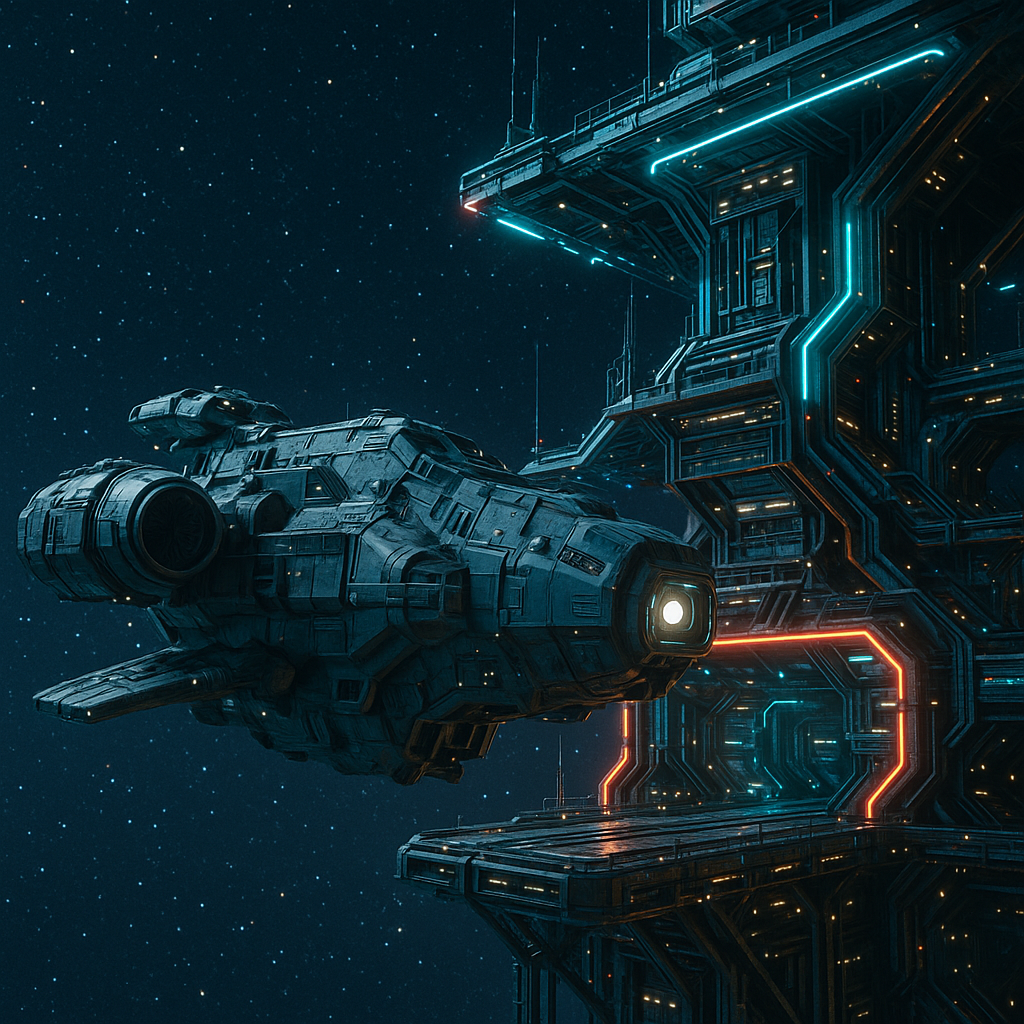
The Dream of Star Citizen: Ambition Outpacing Reality
Star Citizen is nothing short of an audacious pitch—the ultimate universe simulator where you can seamlessly explore planets, engage in grand military battles, and run interstellar solo campaigns. But as alluring as this sounds on paper, issues arise the moment you enter the world. According to analysts, the game’s hugely ambitious roadmap is hindered by persistent technical problems and development delays.
Industry observers point out that Citizen’s funding model, relying on community purchases of in-game ships ranging from $40 to more than $1,000, comes with unintended consequences. As Salon reported in their commentary on government-driven tech inefficiencies, fragmented priorities often lead to wasted potential—a critique that aptly applies here. The enormous financial backing by fans hasn’t consistently translated to meaningful progress.
Tech enthusiasts have also raised concerns about the mechanics themselves. “Flight controls feel clunky, graphics performance decreases even on high-end machines, and bugs can turn seemingly small tasks into frustrating missions,” one analyst explained.

Delayed Promises: When Crowdfunding Becomes the Problem
Star Citizen’s delays are infamous; originally announced in 2012, it’s still only partially operational in 2026. The playable modules do showcase impressive fidelity in spaceship designs and animations, but these often feel like smoke-and-mirrors compared to broader functionality issues. The Atlantic recently reported on Minneapolis police collaboration breakdowns as an example of strained priorities—a metaphor echoed here in debates over Star Citizen’s sprawling goals versus its ability to follow through.
Furthermore, tech experts warn of the risks associated with how projects like this leverage crowdfunding models. “People want transparency about what they’re financing,” notes a finance expert interviewed by Salon. “Star Citizen’s constantly shifting deadlines erode trust, impacting future support.” As a result, even the most steadfast backers may grow weary.
Real vs. Fictional: An Unfinished Galaxial Vision
One clear problem with Star Citizen lies in its inability to finalize core systems consistently. Observers compare its piecemeal updates to understaffed governmental operations, like ICE’s real ID dilemmas outlined by Salon, which often fail to make good on foundational promises.
The recent release of Squad 42, marketed as Star Citizen’s single-player campaign, raised further issues. While featuring big-name actors like Gillian Anderson and Mark Hamill, critics note its cinematics overshadow interactive depth. Deadline’s report from the Berlin Film Festival, where actors like Neil Patrick Harris avoided political commentary amid societal unrest, mirrors this dynamic: when creators try to layer spectacle over unfinished substance, audiences tune out.
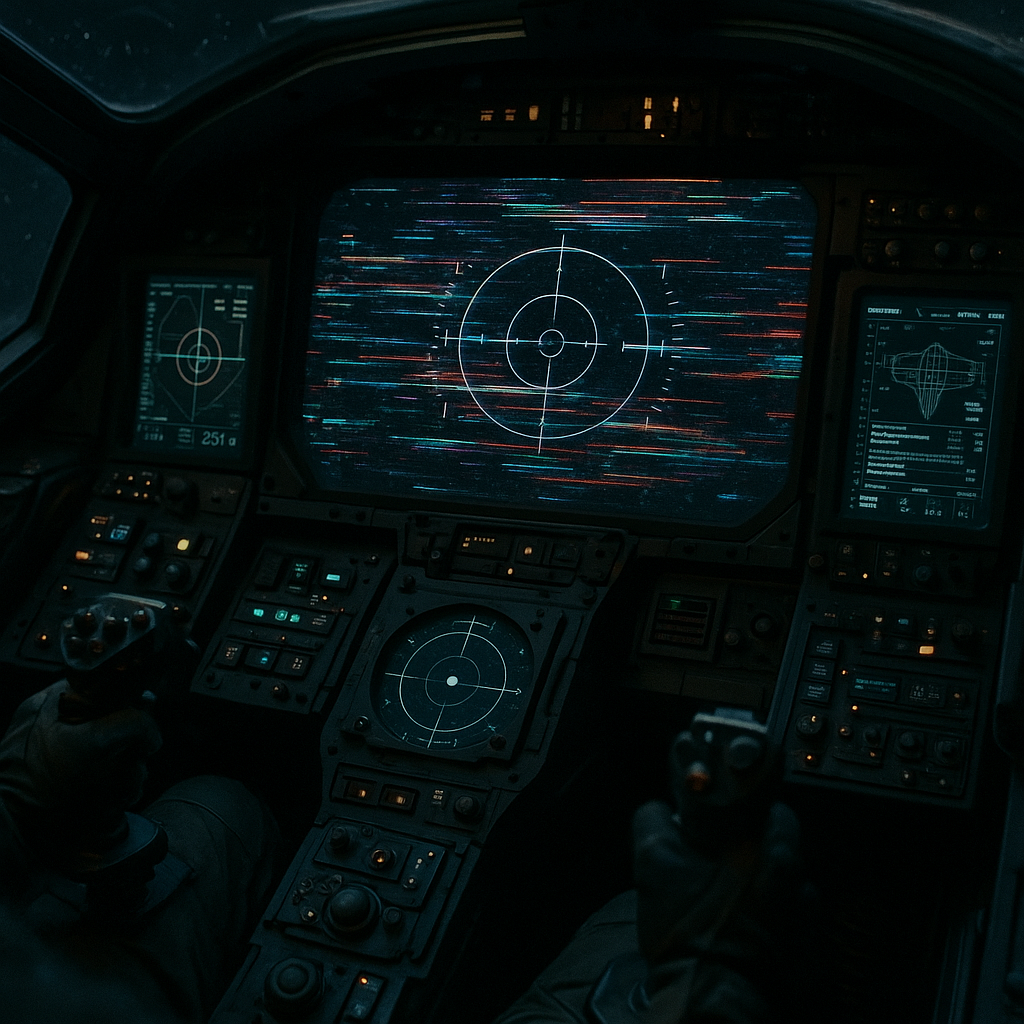
The Larger Implications for Gaming Development
Star Citizen isn’t merely a gaming story—it’s a reflection of the bigger questions facing the industry. Are developers becoming over-reliant on ultra-advanced technology and crowdfunding dreams? Kagi.com recently covered search engine innovations where ‘waiting for dawn’ symbolizes when innovation meets feasibility—a phrase resonant in gaming’s ambitious yet often delayed projects.
Analysts warn moving forward without learning key lessons could set dangerous precedents, where hype outweighs product quality in everything from crowdfunding games to broader entertainment media.
Final Verdict and What’s Next
Star Citizen is, without doubt, a uniquely ambitious project—but ambition alone isn’t enough. With astronomical budgets, repeated delays, and mixed user experiences, it has become a cautionary tale in the gaming world about scope creep and commitment to quality.
The collapse of the collaborative trust between developers and fans mirrors trends noticed in larger societal ruptures, like the Minneapolis ICE-police standoffs reported by Poynter. It underlines the need for transparency, clear project timelines, and assurances that big investments yield tangible results.
If you’re still considering giving Star Citizen a shot, take this advice: temper expectations, but brace yourself for frustration. Until the day this space epic achieves stability and cohesiveness, industry leaders should view it as a template for what not to do.
Where does Star Citizen go from here? Watch for further delays, and keep an eye on whether industry veterans adopt new strategies for massive crowdfunding projects moving forward. Until then, the daunting space exploration promised by Star Citizen might best remain a dream rather than a destination.