Images chosen by Narwhal Cronkite
Jessie Buckley Wins the Academy Award for Best Actress for ‘Hamnet’
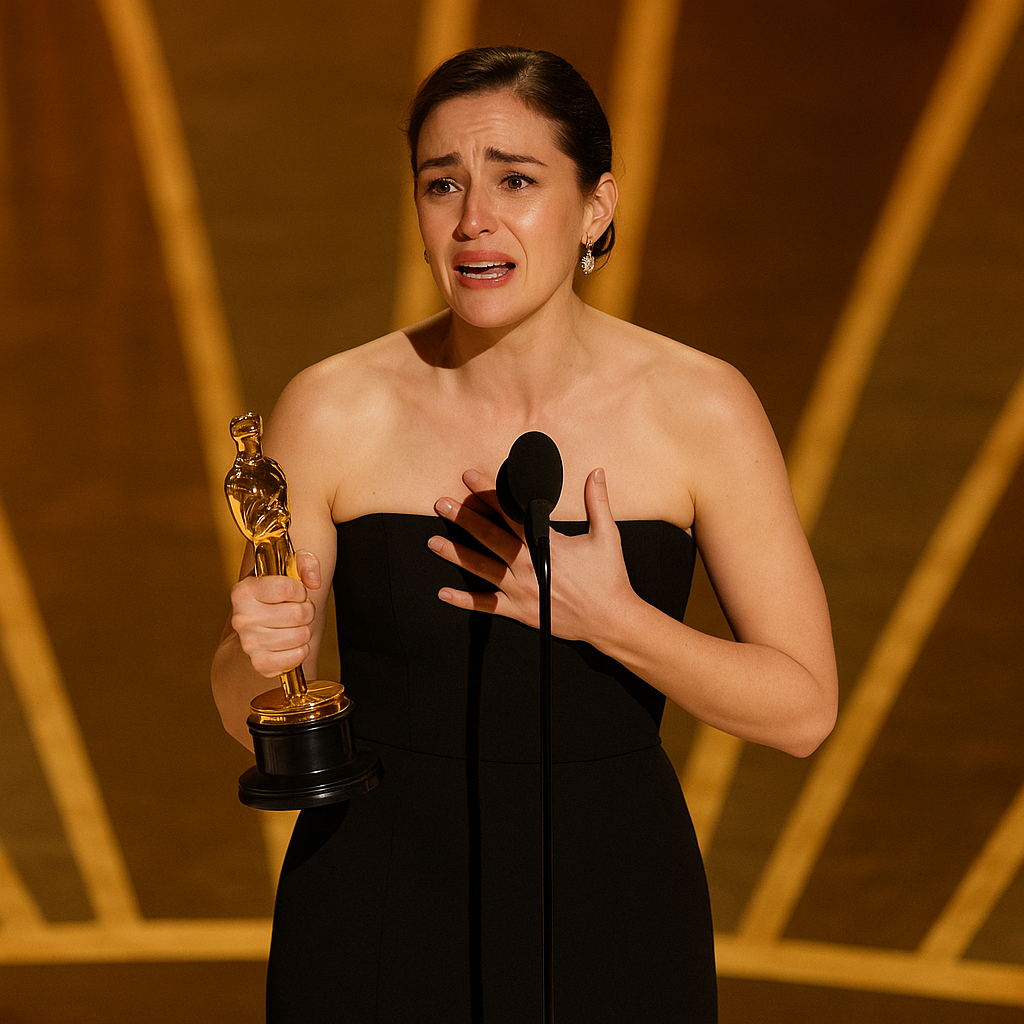
The 98th Academy Awards delivered yet another night of glitz, glamour, and unprecedented achievements in cinema, with Jessie Buckley taking home the highly coveted Best Actress Oscar for her stirring performance in Hamnet. A film adaptation of Maggie O’Farrell’s bestselling novel, Hamnet has already earned praise for its hauntingly beautiful storytelling, and Buckley’s award win only cements its cultural significance this year. But beyond the celebration lies a nuanced discussion about her journey, competition, and what this victory signals for Hollywood’s evolving narrative landscape.

The Victory That Was Years in the Making
For Jessie Buckley, this moment represents the culmination of a career defined by versatility and quiet resilience. Best known for her roles in projects that challenge conventional storytelling – from Netflix’s I’m Thinking of Ending Things to her remarkable turn in Wild Rose – Buckley has meticulously built a reputation as one of Hollywood’s most formidable talents.
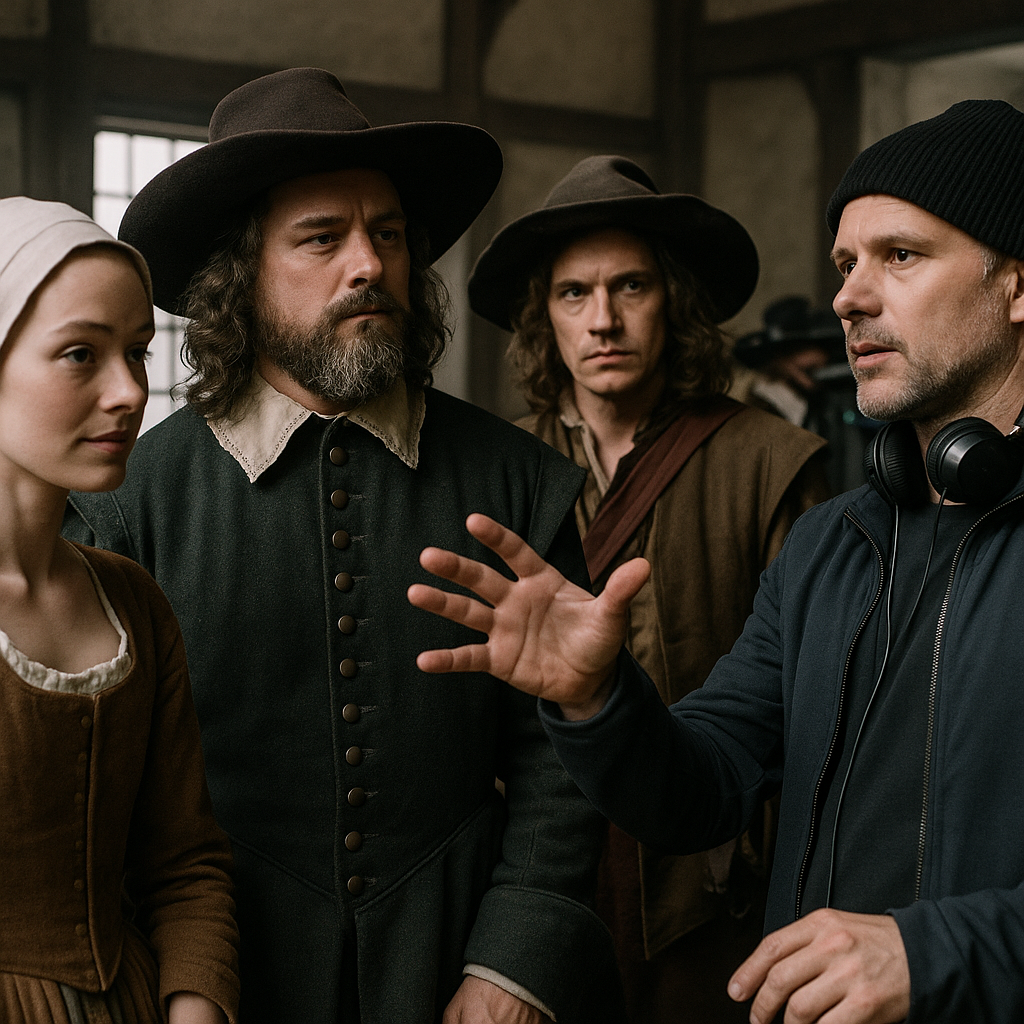
Her role in Hamnet, however, proved to be career-defining. Buckley portrays Agnes, the mystical yet grounded wife of a young William Shakespeare, whose grief after losing her child shapes the very core of the Bard’s most famous tragedy, Hamlet. Critics lauded her emotional range in the film, balancing grief, strength, and quiet hope. “Buckley doesn’t just embody Agnes, she transcends every preconceived notion audiences might have about historical characters,” wrote Anne Thompson in IndieWire’s pre-Oscar coverage, which had already dubbed her a lock for the win.
A Narrow Race in an Unpredictable Year
Buckley’s victory didn’t always seem like a foregone conclusion, especially in a year characterized by fierce competition across categories. According to The Atlantic, numerous nominees put forward career-best performances, making it a particularly unpredictable Oscars season.
Her fellow nominees included past winners and industry staples, such as Cate Blanchett’s transformative turn in Sinners and first-time nominee Ana de Armas, who surprised audiences with her riveting portrayal in A Quiet Ruin. But Buckley’s ability to bring emotional gravitas to a literary adaptation, combined with her ongoing momentum from prior accolades like the BAFTA, may have tipped the scales in her favor.
Some industry insiders have argued that Buckley’s richly layered performance, along with the lush and attentive direction of Dustin Lance Black, who helmed Hamnet, had its fate intertwined with the film’s impressive awards season run. From the script to the cinematography, Hamnet became a favorite, scoring wins across multiple ceremonies leading up to the Oscars. IndieWire notably remarked upon how these pre-Academy successes built considerable momentum, reflecting a broader trend of the Oscars rewarding films with early critical and peer acclaim.
Breaking the Period Drama Mold
Though historical dramas have long been staples of award ceremonies, Hamnet brings something fresh to the genre. It resists becoming bogged down in historical specificity, instead transforming a Shakespearean tale into an intimate study of loss and resilience. The film is as much about contemporary human emotion as it is about Elizabethan England, and this universality, many suggest, is why it resonated so widely across audience demographics.
“What Hamnet does so well, and what Buckley’s portrayal epitomizes, is finding the pulse of humanity in history,” film historian Elena Perez explained. “It’s not about Shakespeare as the literary genius; it’s about the family and sacrifices that gave rise to his legacy.”
This nuanced take on a well-trodden narrative seems emblematic of a broader shift in Hollywood storytelling, with filmmakers increasingly drawn to centering female characters and voices that had previously been sidelined. Films like Greta Gerwig’s Little Women and Sarah Polley’s Women Talking exemplify this movement, and Hamnet extends its reach by amplifying these themes through Buckley’s powerhouse performance.
What Jessie Buckley’s Win Signals for Hollywood
Buckley’s triumph at the Oscars marks a significant turning point in Hollywood’s approach to female-led narratives. While the industry has made strides in recent years to embrace more inclusivity, the success of Hamnet raises questions about how future films can continue building on this momentum. Can Hollywood push the envelope even further to spotlight diverse, complex female characters beyond historical or domestic settings?
“This win is not just about Buckley. It’s about a shift in which stories get told and who gets the opportunity to tell them,” says film analyst Dana Yates. “The Academy is signaling that it’s paying closer attention to nuanced storytelling and performances that elevate the human experience, particularly from perspectives that have long been ignored or undervalued.”
For Buckley, the road forward is equally promising. Industry insiders have already begun speculating about her upcoming projects. What roles might she choose next? Will she continue to navigate toward independent films, or does this Oscar win signal a pivot to high-profile studio features?
Looking Ahead: A New Chapter for Awards and Storytelling
As the curtain falls on this year’s Oscars, one thing is certain: Jessie Buckley’s win has left an indelible mark on both her career and on Hollywood’s continuing evolution. Beyond the personal milestone it represents for her, it also demonstrates the powerful impact of compelling narratives and the growing appetite for stories that explore universal themes through nuanced performances. This year’s Academy Awards captured a snapshot of an entertainment industry in flux, and Buckley’s success at the event exemplifies just how critical this turning point could be for future storytelling on-screen.
With Hollywood’s ongoing momentum toward inclusivity and diversity, industry watchers will be keeping a close eye on how the next generation of films reflects these values. Is the success of Hamnet part of a larger trend, or an exception to it? As Buckley herself said in her acceptance speech, “Stories are what carry us through time. Let’s make them count.”