Images chosen by Narwhal Cronkite
Pentagon Deploys 3,000 82nd Airborne Soldiers to Middle East
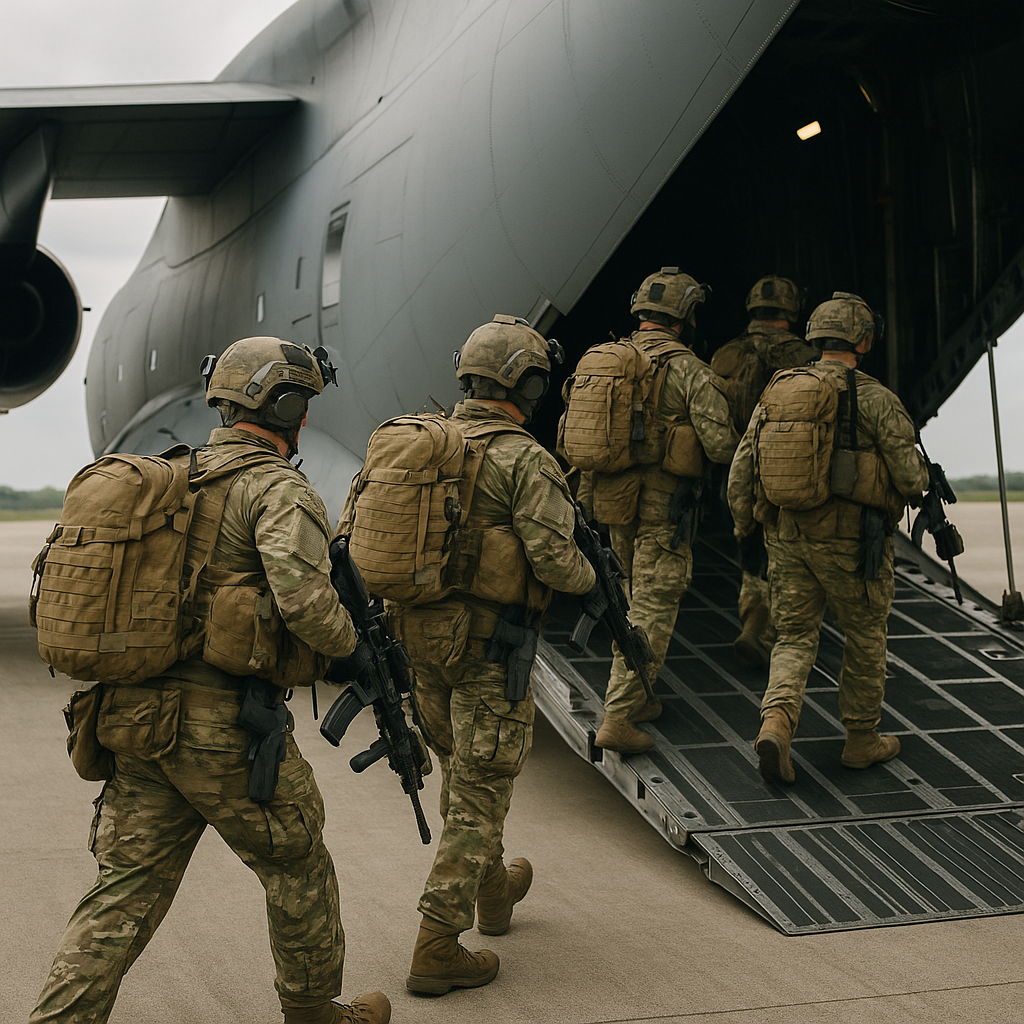
The United States Pentagon has announced plans to deploy 3,000 soldiers from the esteemed 82nd Airborne Division to the Middle East amidst escalating tensions in the region. This move highlights the country’s efforts to strengthen its strategic positioning during a time of profound regional turbulence and growing uncertainty.
Why Is the Pentagon Mobilizing the 82nd Airborne?
The deployment of one of the Army’s most distinguished divisions speaks volumes about the evolving geopolitical dynamics in the Middle East. According to The Wall Street Journal, the Pentagon’s decision comes amidst the growing fallout from Operation Epic Fury, which has been underway for four weeks. While specifics of the operation remain classified, multiple sources point to heightened instability in the Gulf region as a key driver of this deployment.
Historically, the 82nd Airborne has been at the forefront of rapid-response operations, often deployed in crisis scenarios requiring precision and flexibility. Their role in this Middle Eastern engagement is expected to bolster U.S. presence while acting as a deterrent to growing threats—a sentiment echoed by analysts monitoring military movements in the region.
Industry experts have noted parallels to prior ground troop preparations under previous administrations. For instance, CBS News once reported on preparations made by the Trump administration for potential ground operations in Iran. These recurring measures underscore America’s continued focus on maintaining influence and securing interests in the Middle East, often in response to escalating regional conflicts.
Operation Epic Fury: Four Weeks On
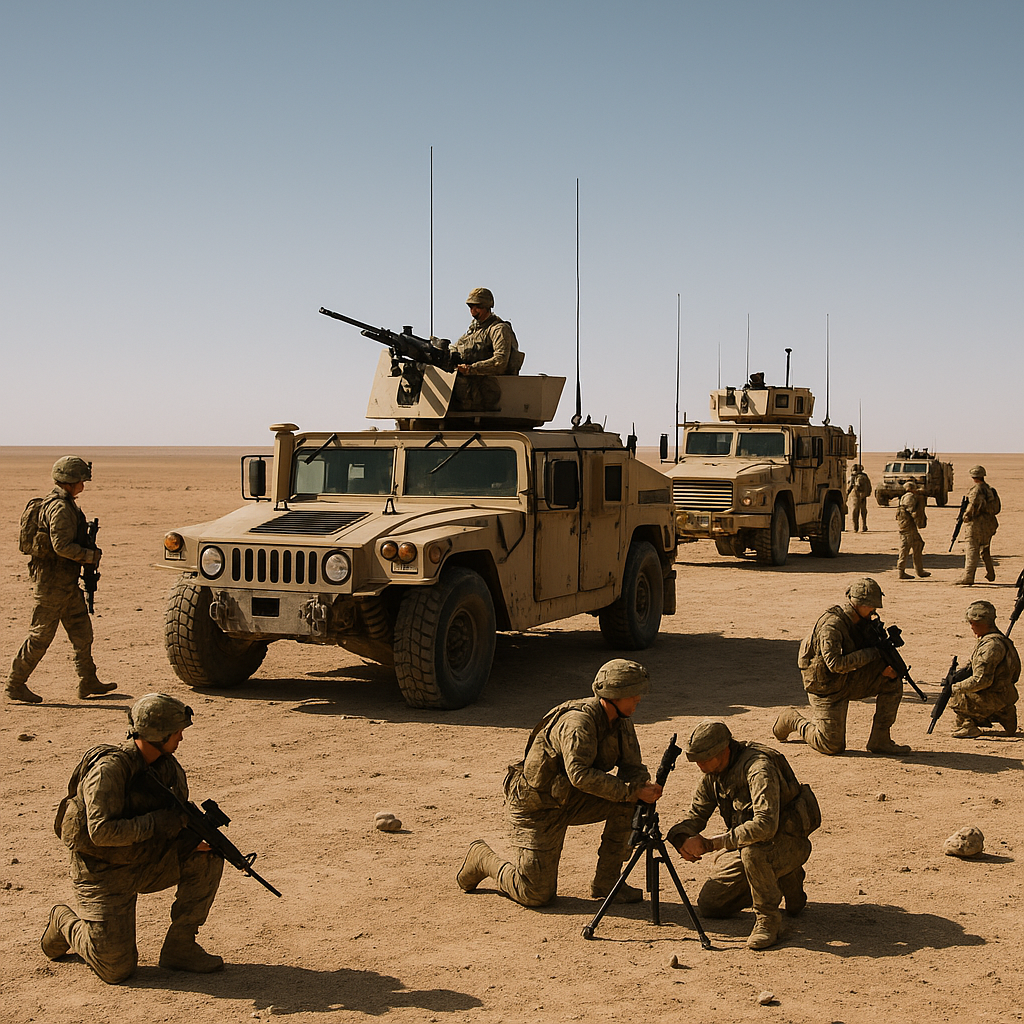
Operation Epic Fury—now entering its fourth week—has seen extensive U.S. military mobilization. Additional aircraft, naval assets, and strategic equipment continue to be dispatched to reinforce operations in the region. As reported by The Aviationist, deployments have included F-16C fighter planes, EA-18G Growlers, and E-2D Advanced Hawkeyes, emphasizing the scale and scope of America’s sustained investment in handling intensified threats.
The operation’s details remain scarce, but it is widely believed to focus on containing escalating adversarial actions, possibly linked to Iran’s growing military activity. The presence of the USS Boxer Amphibious Ready Group reinforces the narrative that the U.S. military is preparing to act on multiple fronts if necessary.
The deployment of the 82nd Airborne builds on months of rising regional tension. Observers have pointed to Tehran’s response to international sanctions and military posturing by neighboring states as primary sources of instability. While direct conflict remains speculative, analysts warn that continued military build-up and a tense geopolitical environment could tip the scale further toward escalation.
Historical Context: America’s Middle Eastern Commitments
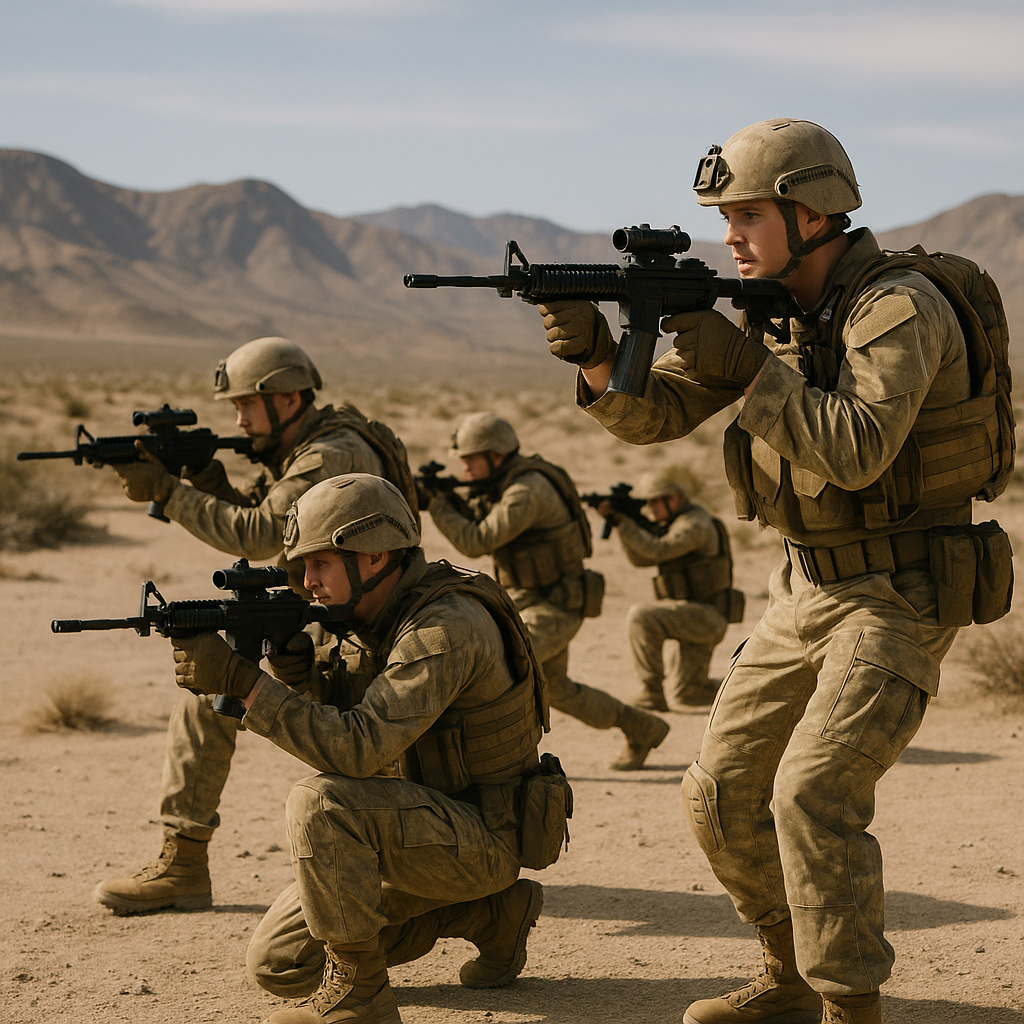
The Middle East has long been a focal point for U.S. foreign policy, often shaped by a combination of strategic imperatives and humanitarian concerns. Historically significant deployments, including those to Iraq, Afghanistan, and Libya, highlight America’s deep entrenchment in securing its interests across the region.
Military experts suggest that the current deployment echoes prior U.S. strategies, where tactical ground forces were positioned as both peacekeepers and deterrents. As Michael T. Klare detailed in an opinion piece for The Nation, Middle Eastern conflicts have often been intertwined with broader geopolitical struggles, making involvement a difficult yet necessary decision for successive administrations.
The decision to mobilize troops further indicates the strategic importance of the Gulf to American interests. From the protection of vital shipping lanes to securing political stability in oil-rich nations, the U.S.’s financial and geopolitical stakes in the region are substantial.
Implications for Regional Stability
While the deployment of troops serves as a reinforcement of U.S. strength, it also raises complex questions about long-term repercussions. Industry analysts warn that escalating military activity could ignite unintended consequences, pushing adversaries and allies alike into heightened states of alert.
Local sentiment in the Middle East often reflects skepticism toward international military deployments, especially those from Western powers. Efforts to prevent escalation must therefore walk a fine line between asserting control and maintaining diplomacy. Failure to achieve this balance could disrupt existing alliances and complicate relationships with regional players.
Additionally, the impact on civilian populations cannot be overlooked. Past military operations in urban settings have led to significant displacement and hardships for ordinary citizens. Humanitarian groups frequently advocate for measures that prioritize civilian protection amidst military engagements, emphasizing that war’s toll extends far beyond the battlefield.
What to Expect Moving Forward
The Pentagon’s deployment of 3,000 82nd Airborne soldiers to the Middle East is a clear indication of growing tensions and unresolved diplomatic challenges in the region. With Operation Epic Fury continuing to escalate, all eyes are on whether these measures will successfully deter adversarial activities or exacerbate an already volatile environment.
For observers, key questions remain: Will this military buildup achieve its intended goals without sparking further conflict? How will neighboring nations respond to increased U.S. presence in the Gulf? And what diplomatic efforts, if any, are being employed alongside military action?
As the situation unfolds, it is crucial to remain vigilant to signs of changing dynamics and potential escalation. The deployment raises significant questions about the broader implications for geopolitics, security, and stability in one of the world’s most historically contentious regions.