Images chosen by Narwhal Cronkite
Allegations that incendiary munitions have been used in southern Lebanon are drawing renewed scrutiny to the conduct of military operations in the region. Human rights organizations and independent researchers have pointed to evidence suggesting the deployment of white phosphorus, a substance whose use in populated areas is highly controversial under international law.
Findings From Researchers and Rights Groups
A report from Human Rights Watch and independent researchers states that white phosphorus munitions were used in southern Lebanon, with evidence verified through geolocated images and video analysis.
One researcher documented approximately 250 instances of such use over an extended period, with a significant portion occurring in residential areas.
White phosphorus ignites on contact with air, producing intense heat and thick smoke, which can cause severe injuries and environmental damage.
Legal and Humanitarian Concerns
International humanitarian law permits the use of white phosphorus for certain military purposes, such as smoke screens or illumination. However, its use in densely populated areas is widely criticized due to its indiscriminate effects.
Human Rights Watch described the alleged use over residential zones as “extremely alarming,” citing the risk of long-term harm to civilians and infrastructure.
Israeli officials have not confirmed the specific incidents cited in the reports and have previously stated that military operations are conducted in accordance with international law.
Impact on Civilians and Environment
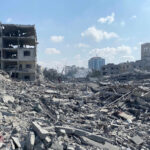
Reports indicate that the use of such munitions has contributed to fires, destruction of farmland, and displacement of local populations. Analysts say the environmental consequences could persist long after active fighting ends.
“The effects are not just immediate,” said one environmental researcher. “They can alter ecosystems and agricultural productivity for years.”
Broader Context of the Conflict
The allegations come amid an escalating conflict involving Israel, Hezbollah, and broader regional actors. Military operations in southern Lebanon have intensified, with both sides reporting ongoing attacks.
Humanitarian organizations have raised concerns about rising civilian casualties and displacement across affected areas.
What to Watch Next
Investigations into the use of controversial weapons are likely to continue, with potential implications for international legal proceedings and diplomatic relations.
Observers will be watching for further evidence, official responses, and any shifts in military tactics as the conflict evolves.