Images chosen by Narwhal Cronkite
NASA has confirmed the presence of significant water ice deposits near the Moon’s south pole, a discovery that could reshape future plans for human exploration and long-term habitation beyond Earth. The findings add to growing evidence that the lunar surface holds valuable resources capable of supporting sustained missions.
Confirming Ice in Permanently Shadowed Regions
Scientists analyzing data from lunar missions have identified water ice concentrated in permanently shadowed craters near the Moon’s south pole. These regions, which never receive direct sunlight, maintain extremely low temperatures that allow ice to persist over long periods.
“This is one of the most important discoveries for lunar exploration,” said a NASA scientist involved in the analysis. “Water is essential for both life support and fuel production.”
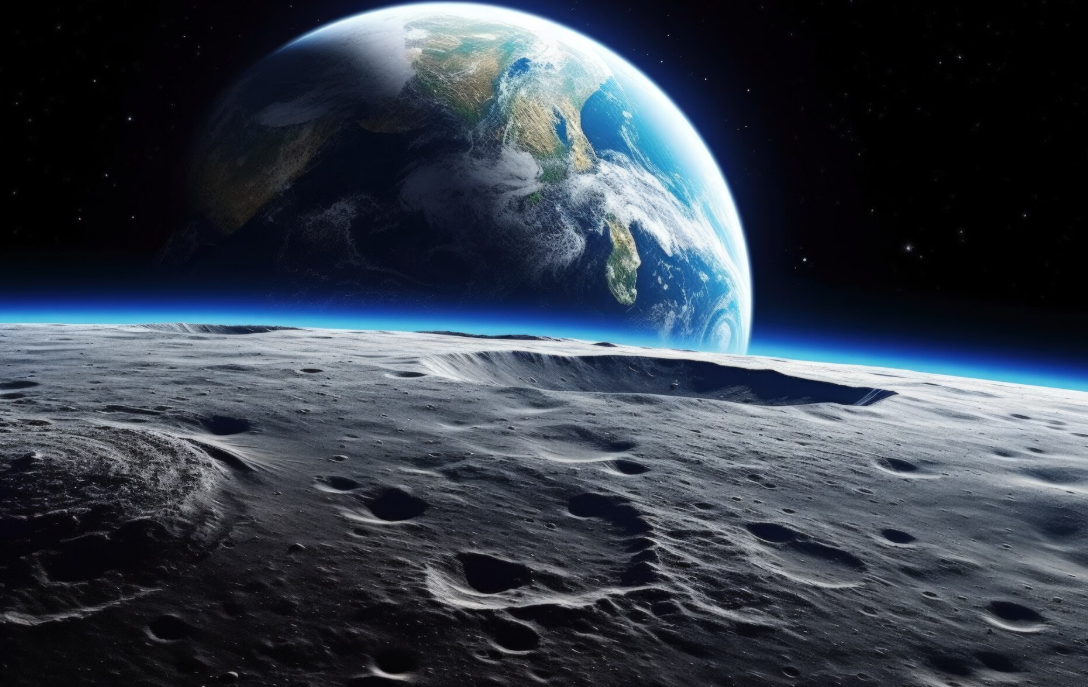
Why Water Ice Matters
Water ice can be converted into drinking water, breathable oxygen, and hydrogen fuel, making it a critical resource for sustained human presence on the Moon. The availability of these materials reduces the need to transport supplies from Earth, significantly lowering mission costs.
Analysts say the discovery strengthens the case for establishing a long-term lunar base.
Supporting Future Missions
The findings are expected to play a key role in upcoming missions under NASA’s Artemis program, which aims to return humans to the Moon and establish a sustainable presence.
Engineers are already exploring technologies for extracting and processing lunar ice, though significant challenges remain, including extreme temperatures and difficult terrain.
Scientific and Strategic Implications
Beyond practical applications, the discovery also offers insights into the Moon’s geological history and the distribution of water in the solar system. Scientists hope further study will reveal how the ice formed and how it has been preserved.
The presence of accessible water resources also has strategic implications, as multiple countries and private companies plan future lunar missions.
What Comes Next
Future missions will focus on mapping the extent of ice deposits and testing extraction methods. As exploration efforts accelerate, the Moon’s south pole is expected to become a focal point for scientific and technological development.
The discovery marks a significant step toward making long-term human activity on the Moon a practical reality.