Images chosen by Narwhal Cronkite
The United States is weighing a significant military expansion in the Middle East, with reports indicating that troop levels near Iran could rise to more than 17,000 as the conflict enters a potentially more intense phase. The move reflects growing concerns about escalation and the need for strategic positioning in a volatile region.
Proposed Troop Increase
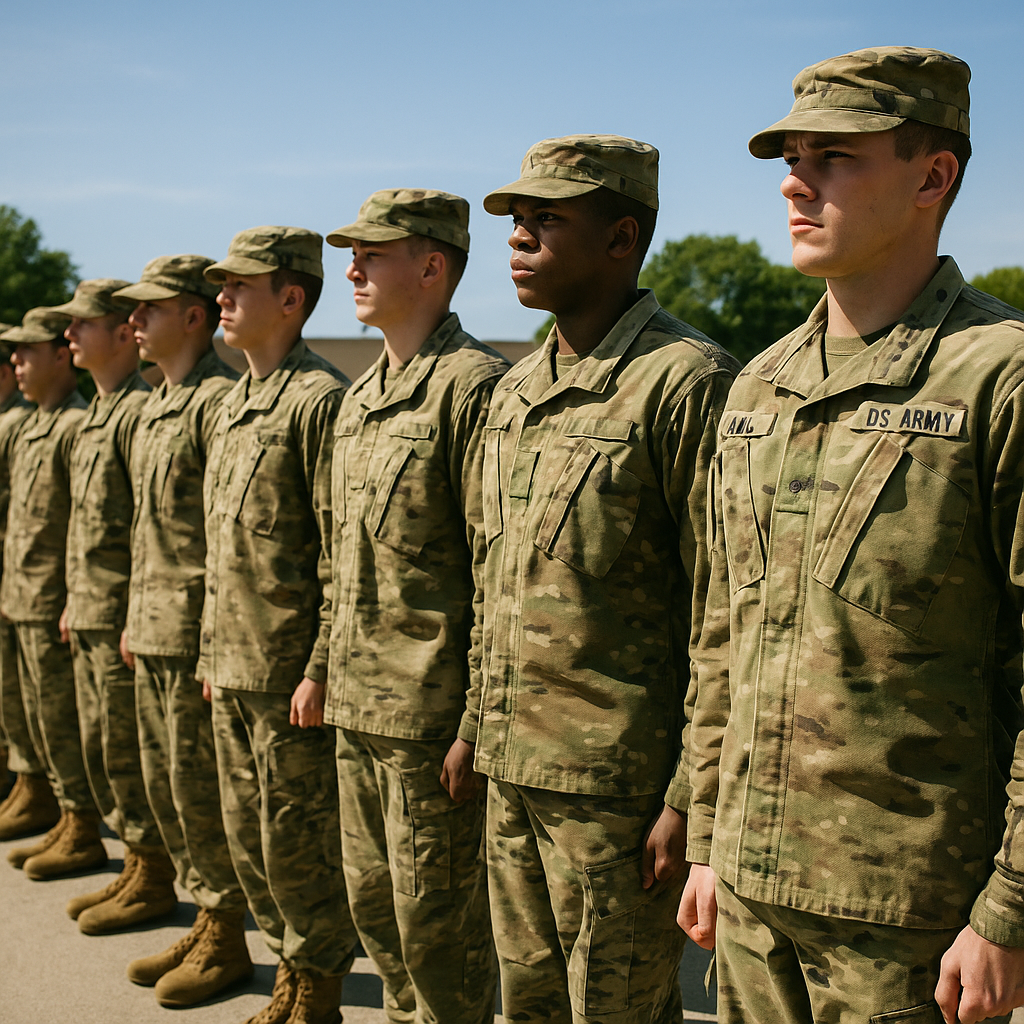
According to reporting from The Wall Street Journal and other outlets, U.S. officials are considering deploying additional forces that could bring the total number of ground troops in the region to over 17,000.
This would include thousands of additional personnel beyond those already deployed, signaling a notable escalation in military readiness.
While the deployment has not been finalized, analysts say it represents a shift toward greater operational flexibility, including potential ground-based missions.
Strategic Objectives and Constraints
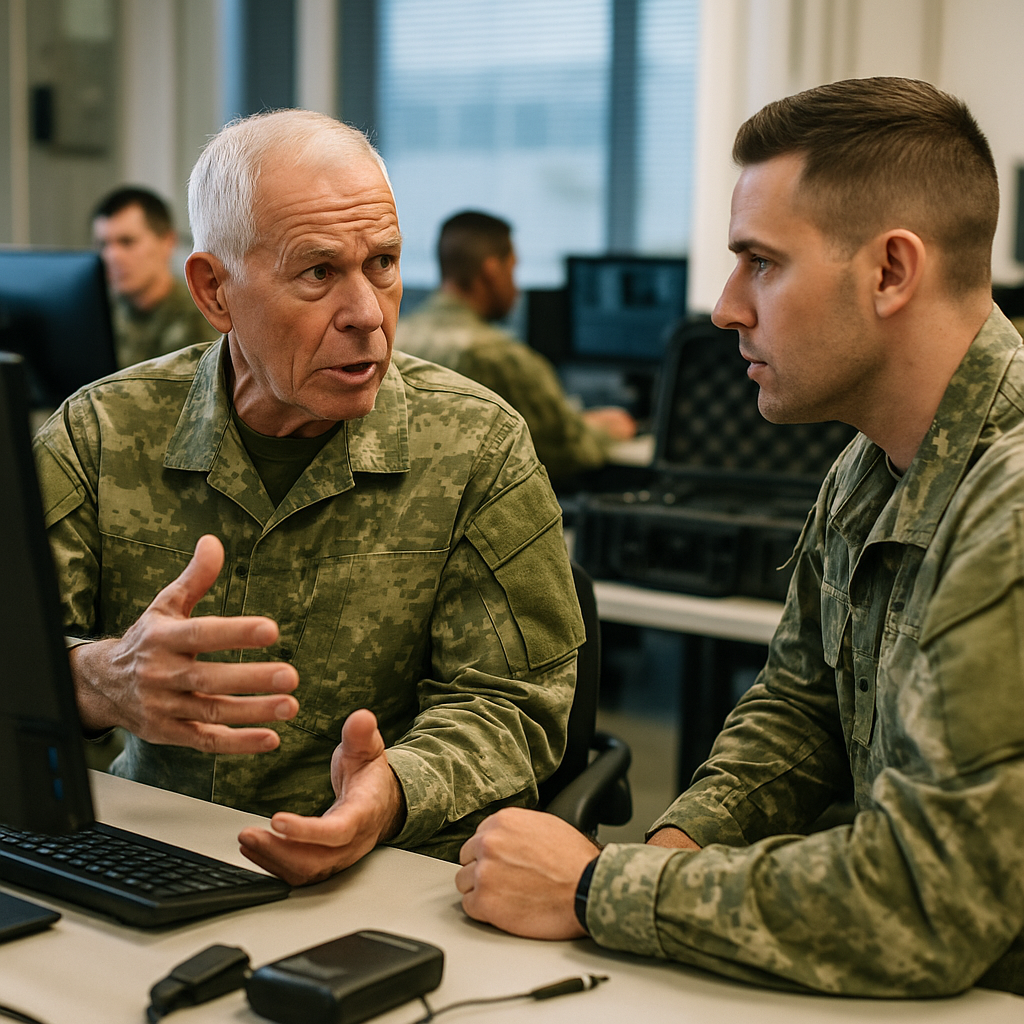
Defense experts emphasize that a force of this size would not be sufficient for a full-scale invasion but could support targeted operations, deterrence efforts, and protection of key assets.
Potential objectives could include securing strategic locations, reinforcing regional bases, and enhancing response capabilities in the event of further escalation.
“This is about positioning rather than occupation,” said a military analyst.
Current Military Build-Up
The United States has already increased its presence in the region, deploying additional Marines, naval assets, and airborne units.
Recent attacks on U.S. personnel and facilities have contributed to the decision to reinforce forces, with hundreds of service members reported injured in ongoing hostilities.
Risks of Escalation
Analysts warn that increasing troop levels could raise the risk of broader conflict, particularly if ground operations are initiated. At the same time, some officials view the buildup as a deterrent designed to prevent further attacks.
“The presence of additional forces can both stabilize and escalate a situation,” said one defense expert. “It depends on how they are used.”
What Comes Next
The decision now rests with policymakers, who must balance military readiness with diplomatic considerations. Observers will be watching for official announcements, changes in troop deployments, and any signs of expanded operations.
As the situation evolves, the scale and purpose of the U.S. presence in the region will remain a central question shaping the next phase of the conflict.