Images chosen by Narwhal Cronkite
Iran Threatens U.S. Tech Companies: A Warning with Global Implications
As geopolitical tensions ripple across the globe, Iran has issued a stark warning to U.S.-based tech companies, including industry titans Apple, Google, and Microsoft. Announcing its intentions through state media, the Iranian military claims it will target offices and infrastructure belonging to these corporations starting on April 1. This development has alarmed industry insiders and geopolitical analysts alike, fueling concerns over the growing role of technology in international conflicts.
A Targeted Strike Against U.S. Tech Giants
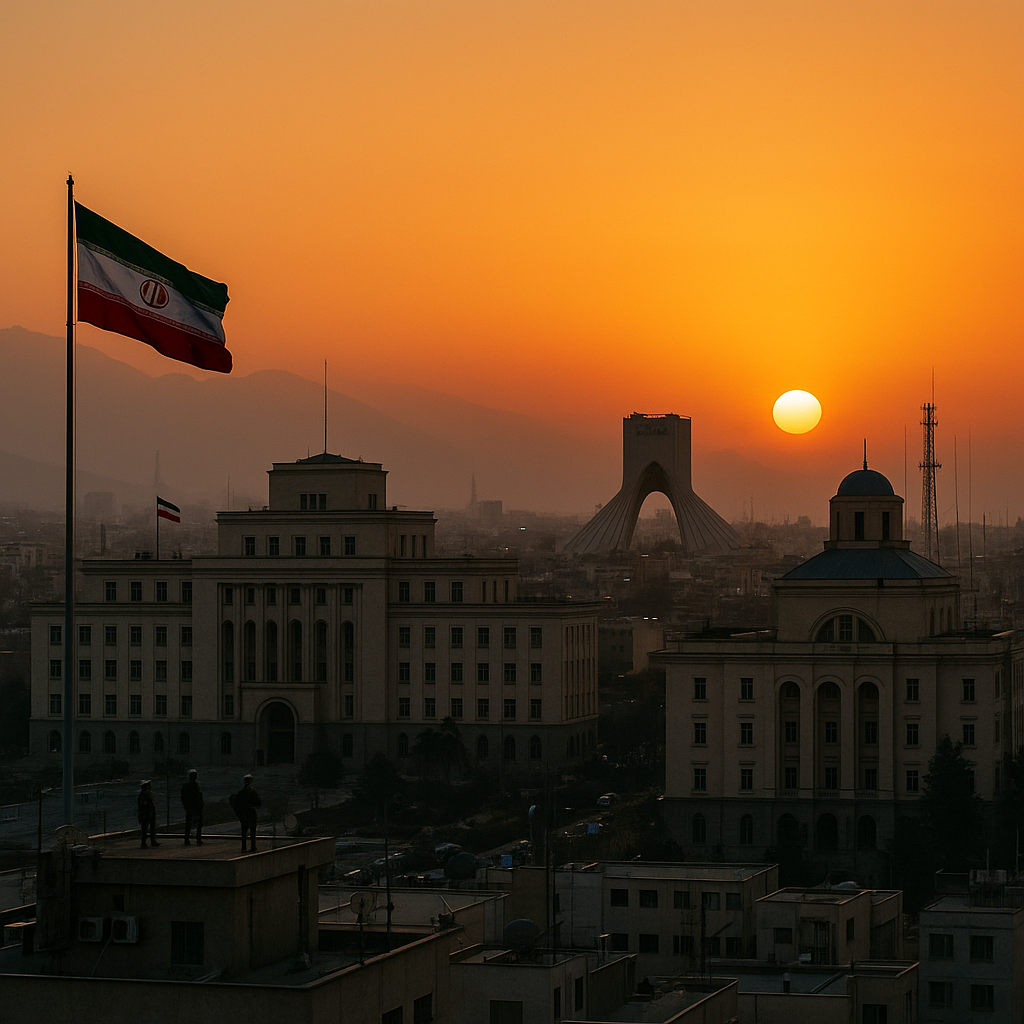
The Iranian military’s statement directly accuses major U.S. technology companies, such as Apple, Google, Meta, and Microsoft, of assisting in what it labels “U.S.-Israeli terror operations.” As reported by Iran’s Press TV, these firms allegedly play pivotal roles in espionage and military coordination against the country. The threat extends beyond software, explicitly naming hardware suppliers such as Cisco, HP, Intel, IBM, Palantir, and Oracle as target entities.
“We advise employees of these institutions to immediately leave their workplaces to protect their lives,” read the statement from the Islamic Revolutionary Guard Corps (IRGC), which was published across Iranian state media. Warnings were also extended to civilians residing within a one-kilometer radius of these offices, encouraging evacuation to avoid potential harm from drone or missile strikes.
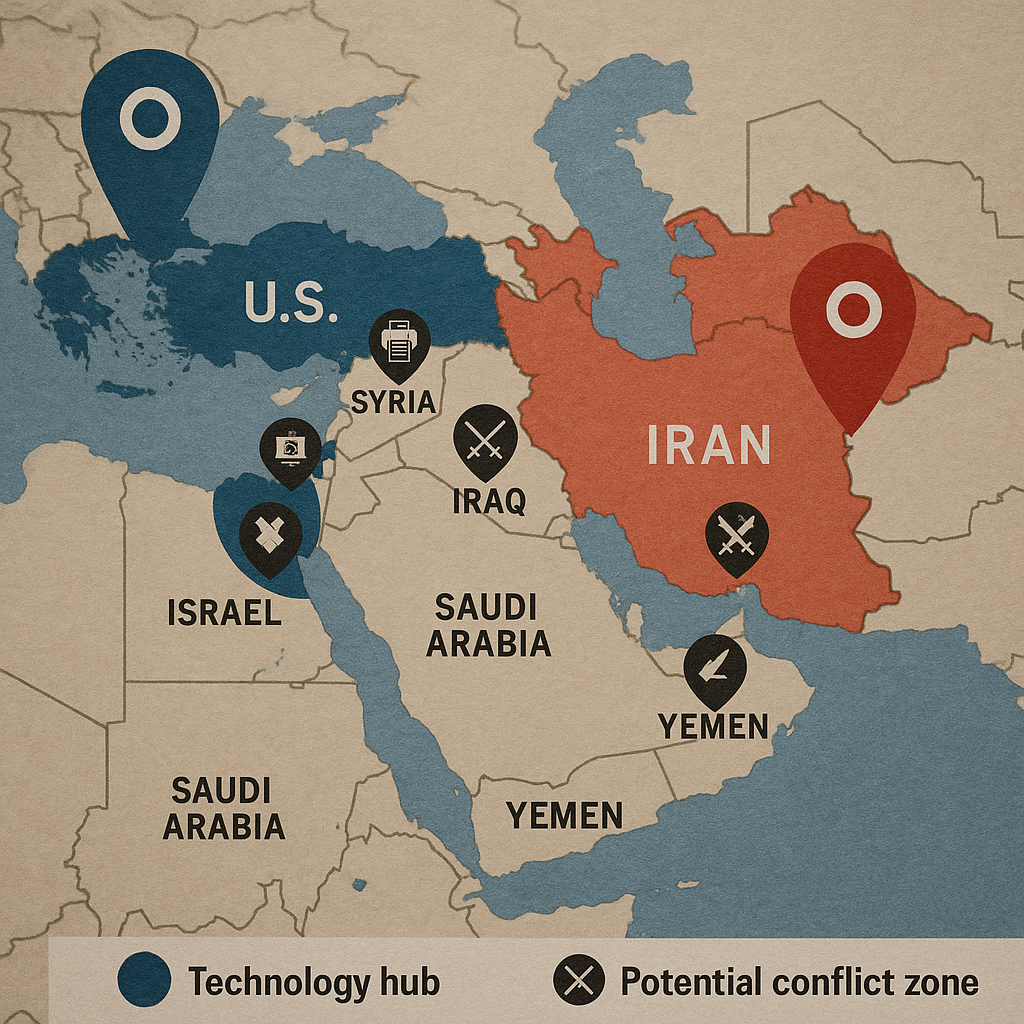
Iran has given a clear timeline for these potential attacks, specifying that they could begin on April 1 at 8 p.m. local time in Iran (12:30 p.m. Eastern Time). With many U.S. tech corporations maintaining operational bases in high-profile locations like Jerusalem, Tel Aviv, and Abu Dhabi, analysts are increasingly concerned about the global ramifications of the warning.

Geopolitical Context: Technology Cast in a New Role
This isn’t the first time Iran has focused its ire on technology companies. Earlier in March, Iran issued similar threats against firms like Palantir and Oracle, citing these companies’ deep ties with U.S. military operations. Palantir, for instance, has openly acknowledged its role as an auxiliary for U.S. intelligence and defense efforts, while Oracle’s historical links to CIA projects have made it another point of contention. Now, with tech infrastructure increasingly integrated into military operations, the industry has inadvertently become a combatant in the international arena.
Adding to the growing tension is Iran’s recent claim of responsibility for strikes on Amazon Web Services (AWS) data centers in Bahrain and the United Arab Emirates. As reported by CNBC, these attacks caused localized power outages and extensive water damage resulting from efforts to extinguish fires. AWS services, widely used by both commercial and military institutions, have become a key vulnerability point in ongoing conflicts, illustrating how interconnected technology infrastructure truly is.
Experts suggest that Iran’s actions are part of a broader strategy to disrupt what it perceives as a sprawling surveillance network aligned against it. “By targeting key tech hubs, Iran isn’t just responding to provocations—it’s sending a message about the consequences of digital dependency,” noted a Middle Eastern defense analyst. Technology is no longer neutral—it’s a driving force in modern conflict.
The Broader Fallout: Rising Tensions in the Region
Iran’s posture comes in the wake of escalated military operations in the region. Following the February 28 launch of what Tehran describes as a “war against the country,” the geopolitical landscape has grown increasingly volatile. The unilateral killing of Iran’s Supreme Leader Ayatollah Ali Khamenei has added fuel to the fire, further destabilizing the Middle East and pushing oil and natural gas prices higher, especially with disruptions in the Strait of Hormuz.
Notably, Khamenei’s son, who is described as more radical in his views, has assumed leadership of the country and intensified Iran’s anti-U.S. rhetoric. This shifting leadership dynamic, experts warn, could lead to even more aggressive moves against U.S.-aligned interests in the Middle East.
The defense of tech hubs, historically seen as civilian infrastructure, now falls squarely under international law, raising ethical and strategic questions. As reported by Tom’s Hardware UK, Iran has begun including economic centers and banks, alongside tech companies, as legitimate targets. These broad strokes may reshuffle priorities for both private corporations and military planners, drawing new lines between civilian and military assets.
What Could Happen Next?
While Iran’s threats have left the tech industry on edge, the true scope and scale of these potential strikes remain unclear. Targeting high-profile companies like Microsoft or Apple would signify a bold escalation, but it is unclear whether such rhetoric will be matched by action. More likely, experts suggest, are further attacks on digital infrastructure, such as data centers or network hubs, especially those used by U.S. government-backed entities.
The timing of the threat also raises questions about its strategic intent. By setting the start date weeks in advance, Iran has allowed governments and corporations time to prepare. “Testing defenses could well be part of Iran’s game plan here,” explained a cybersecurity strategist. “Tech firms need to be on high alert, not just in the region but globally.” Further complicating things, U.S. President Donald Trump has hinted at expanding military operations in the region, heightening fears of a prolonged international standoff.
Some have speculated that Iran’s explicit warnings may also serve a domestic purpose. With its economy under strain, rising fuel prices, and international sanctions biting harder than ever, these public demonstrations of defiance could bolster nationalist sentiment at home and unify factions under the new regime.
The Broader Implications
If Iran follows through on these threats, the ramifications extend far beyond regional geopolitics. Attacks on U.S. tech companies could destabilize global technology markets, as investors react to heightened uncertainty. Meanwhile, the risks to individuals—both employees of tech companies and civilians living nearby—add a human dimension to what might otherwise appear as an abstract conflict over digital infrastructure.
As tensions unfold, it will be critical to monitor not just Iran’s next steps but also how the U.S. government and its allies respond to the shifting battleground. This is a conflict not just over territory but over information, technology, and international norms. The role of tech companies as geopolitical players could deepen further, forcing a rethinking of their responsibilities and vulnerabilities in times of conflict.
For now, all eyes are on April 1, as the world watches to see if Iran’s threats materialize—and what this could mean for technology, international politics, and global security.