Images chosen by Narwhal Cronkite
Army Investigates Low-Flying Helicopters at Kid Rock’s Pool
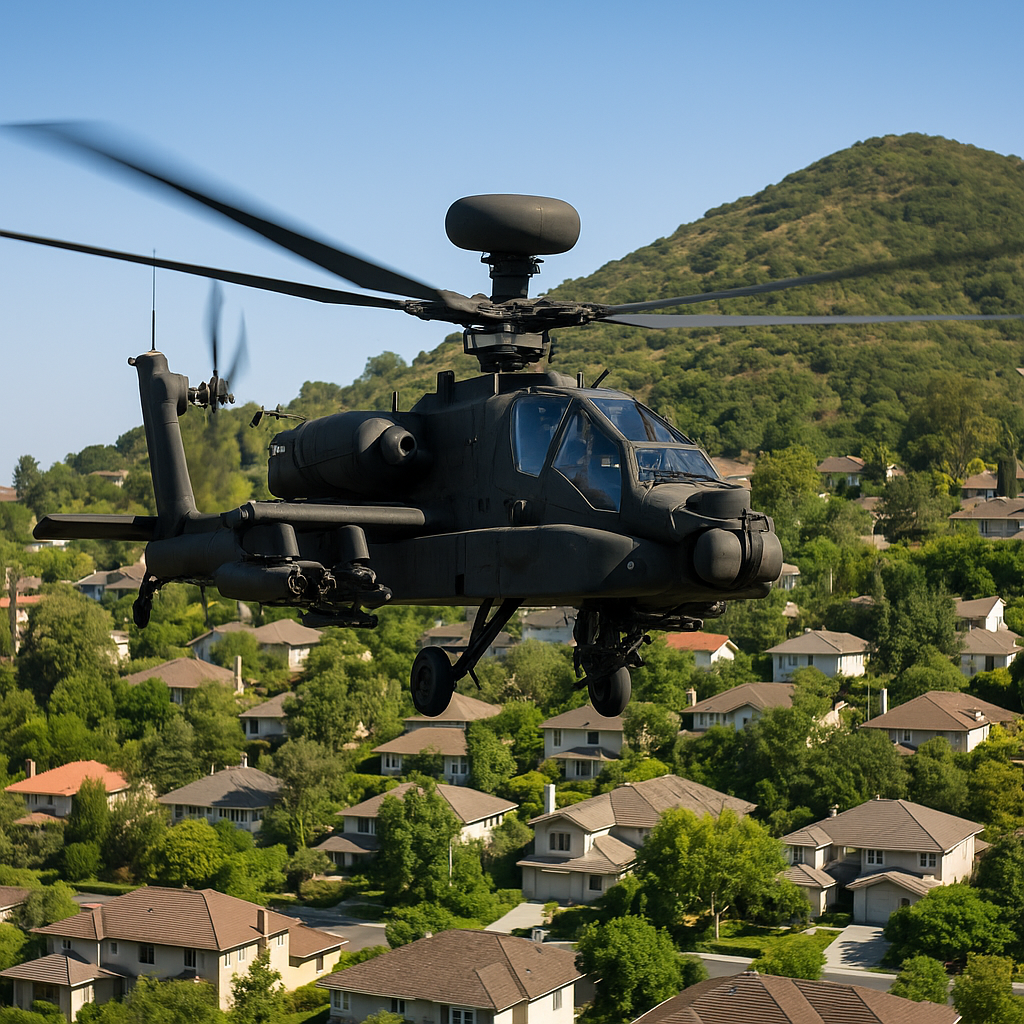
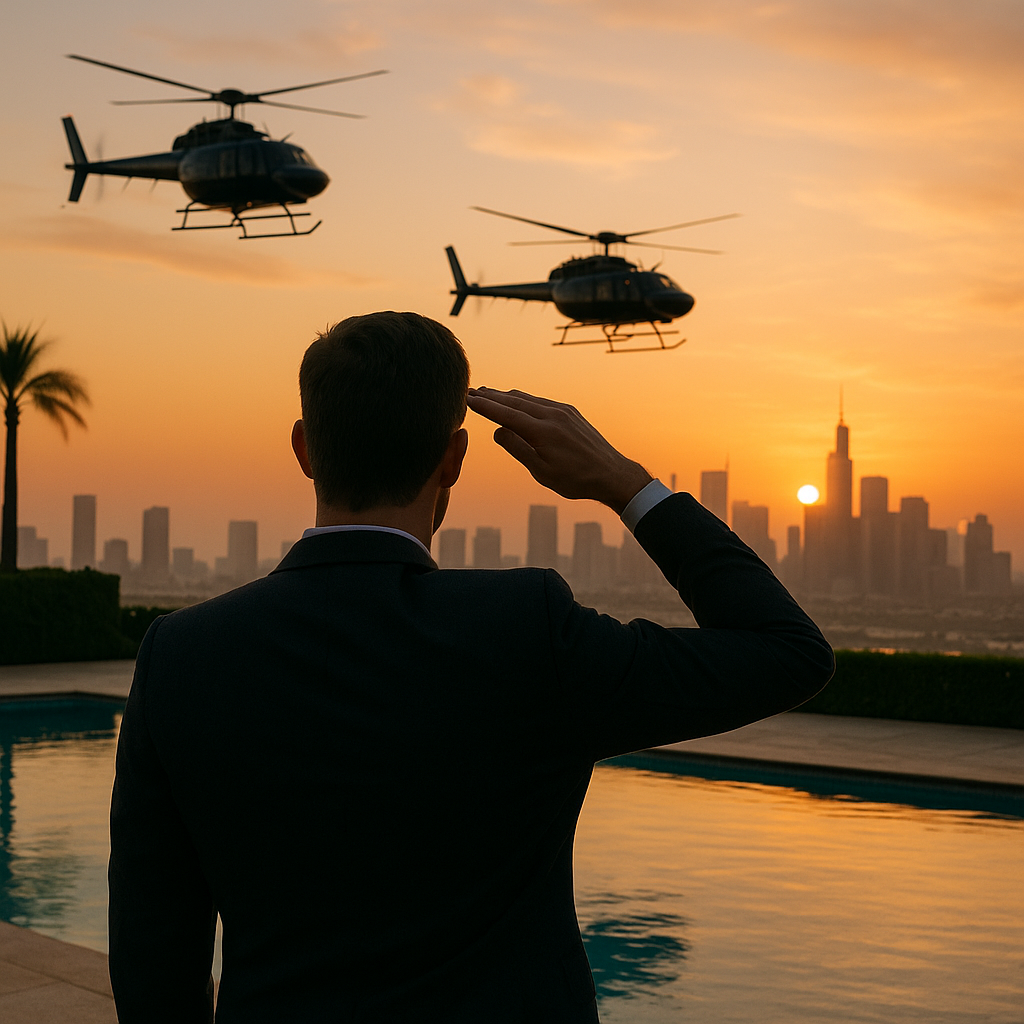
On a serene Saturday in Nashville, two AH-64 Apache helicopters made an unexpected appearance over the hillside home of music artist Kid Rock. In a video shared by the artist, he can be seen saluting the crew as the helicopters hovered by his swimming pool. What may have seemed like an intriguing moment of patriotic camaraderie has now sparked concern, prompting an official investigation by the U.S. Army.
The incident has raised questions about military protocol, airspace regulations, and broader public safety concerns. With the Army now conducting an administrative review, this story offers a fascinating lens into the intersection of celebrity, politics, and military operations.
What Really Happened?
This story began when Kid Rock, a known supporter of President Donald Trump, shared two videos on social media showing the Apache helicopters circling his property. The Nashville skyline served as the backdrop to the scene, which Kid Rock described as “a level of respect” he’d like to contrast with California’s Democratic Governor Gavin Newsom. The statement drew attention not only for its political connotations but also for the unorthodox interaction between the helicopters and the property.
Maj. Jonathon Bless, Public Affairs Officer for the 101st Airborne Division, has since clarified that the helicopters were on a routine training run. Stretching from Fort Campbell near the Tennessee-Kentucky border, these runs often navigate the Nashville area. Importantly, Bless affirmed that no official request had been made by Kid Rock to arrange such a visit.
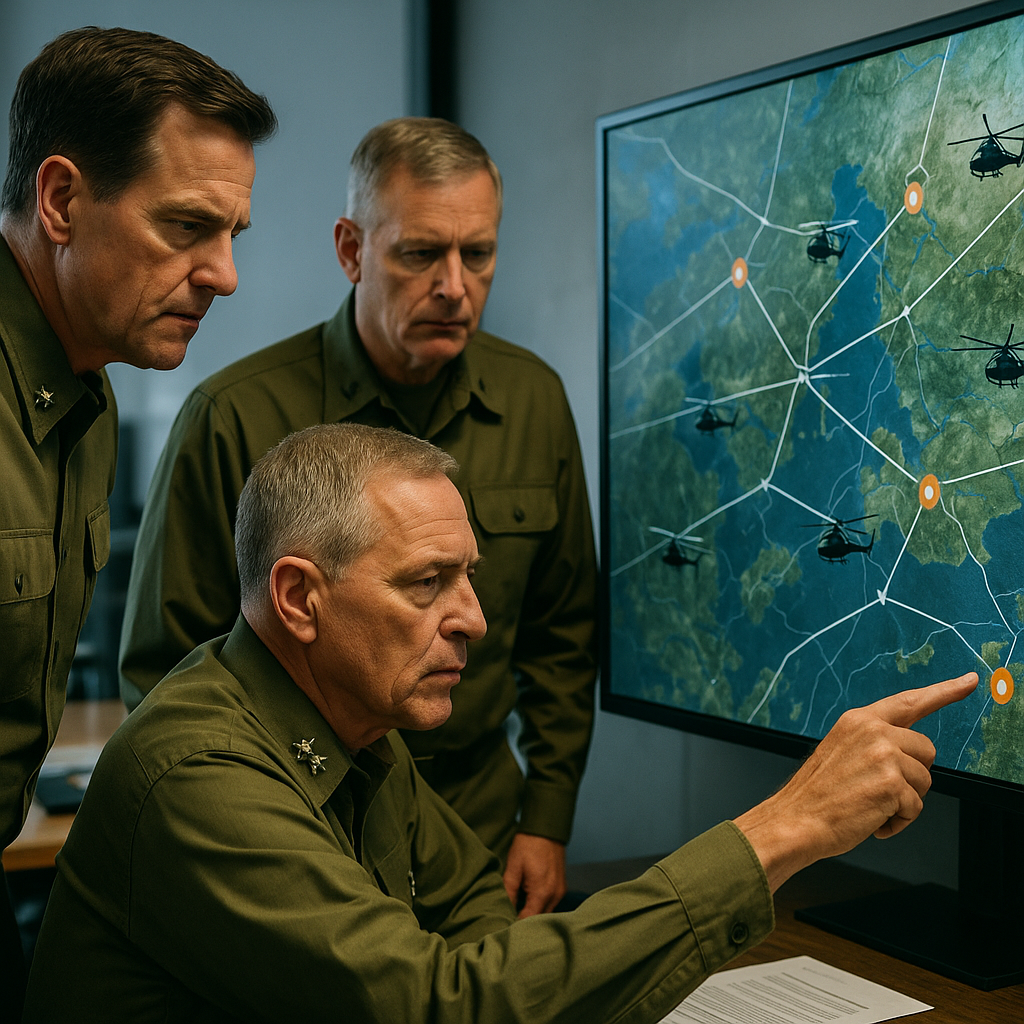
The division has launched an investigation into compliance and adherence to military regulations. According to an Army-issued statement, officials will assess “strict safety standards, professionalism, and established flight regulations.” Whether the hovering was intentional or inadvertent remains a matter of scrutiny.
Military Rules and Responsibilities
Military aircraft are subject to rigorous operational guidelines. These include adhering to airspace restrictions, conduct standards, and securing appropriate authorization for maneuvers or low-altitude flyovers. An oversight in any of these areas can trigger safety concerns as well as reputational risks for the forces involved.
As NewsChannel5 reports, the helicopters also flew over a protest against the Trump administration that same day. Fort Campbell officials insist there is no connection between the training exercises and the political events happening in Nashville. Nevertheless, questions continue to arise regarding the decision-making behind the flight paths.
According to military aviation analyst and retired Army Colonel James Grant, “Conducting maneuvers of this kind near private residences is highly unusual. Whether accidental or intentional, such incidents risk undermining public trust in the military’s accountability.” The military’s administrative review will take into account these broader implications along with any technical violations.
Celebrity Culture Meets Military Protocol
Kid Rock’s dramatic salute and subsequent commentary bring an intriguing cultural angle to the story. As a vocal Trump supporter and media personality, Rock is no stranger to sparks of controversy. His video framed the helicopter movements as a patriotic show of support, feeding into larger narratives about cultural divisions in America.
This connection between celebrity influence and national institutions is notable. While Kid Rock himself did not request the helicopters, his embrace of their presence demonstrates how military imagery can play into political discourse, especially in ways that captivate social media audiences.
Renowned sociologist Dr. Maria Benton explains, “The way celebrities interact with institutions—whether it’s through symbolism like this or actions of tangible influence—can add layers of complexity to public opinions. Events like these demand transparency to ensure that political allegiances don’t color institutional decision-making.”
Implications for the Army and Public Trust
The administrative review, currently underway, will likely delve into field logistics, pilot communications, and whether the flight adhered to pre-approved protocols. While Fort Campbell officials emphasize the routine nature of the training run, repeated incidents like these could erode public trust in how military operations are managed.
For public figures such as Kid Rock, such events enhance their visibility but don’t absolve scrutiny of their underlying implications. Benjamin Fields, a Tennessee-based policy analyst, notes, “Events like this invoke greater calls for accountability, especially when they intersect with politics and celebrity. Instances where boundaries blur can create new perceptions, deserved or undeserved, about institutional motives.”
Conclusion: What to Watch Next
As the Army reviews this incident, officials aim to clarify whether the helicopter maneuvers aligned with protocol and regulations. If violations are confirmed, disciplinary action could follow, potentially involving pilots or commanders. Beyond the specifics, however, this story opens broader discussions about the relationship between public figures and national institutions.
This episode also highlights the persisting influence of social media on shaping public narratives. Particularly in politically polarized environments, instances like Kid Rock’s salute can spark debates that ripple out far past their immediate context.
As investigations unfold, the balance between operational transparency and institutional integrity will remain under watchful eyes. Both the Army and public figures will need to tread carefully, ensuring their actions avoid any unintended signals or consequences.