Images chosen by Narwhal Cronkite
U.S. Forces Rescue Second Crew Member from Downed F-15 in Iran: What It Means for the Escalating Conflict
The successful rescue of a second crew member from a U.S. F-15 fighter jet shot down over Iran marks a pivotal moment in a conflict that has gripped international attention for weeks. On April 5, U.S. officials confirmed the extraction of the missing airman after a high-stakes mission through hostile territory. This development underscores both the strategic complexity and the individual human stakes in a war that shows little sign of de-escalation.
The Rescue Mission: What We Know So Far
The second crew member had been missing since the downing of the F-15 in western Iran last Friday. According to NPR, the warplane was part of a broader air campaign in its sixth week, underscoring the prolonged and increasingly perilous nature of U.S. operations in the region. An earlier rescue operation by U.S. forces had successfully retrieved the first crew member shortly after the incident.
As reported by CBS News, the search and rescue missions themselves have not been without consequences. In a prior effort, an American A-10 Warthog aircraft took fire and sustained damage, further illustrating the dangers combat search-and-rescue teams face when venturing deep into enemy territory.
The immediate rescue of downed airmen is a cornerstone of U.S. military strategy, aimed at minimizing losses and maintaining morale. “Every second counts in a rescue mission like this,” explained a retired Air Force pilot quoted in Business Insider’s in-depth piece on combat search-and-rescue operations. “You’re not just fighting the elements—you’re operating in a landscape where every move could be your last if spotted.”
The Geopolitical Implications of the Rescue
This development comes during a tense phase of the Iran conflict, where both sides are carefully weighing their tactics amid increasing international scrutiny. Iran’s reaction to these rescues remains critical. Thus far, Tehran has accused the United States of violating its sovereignty, a charge likely to be amplified by perceptions of incursions into Iranian airspace during the extraction missions.
Observers argue that the operation’s success sends a dual message. First, it reinforces the United States’ commitment to bringing all its personnel home, no matter the risks. Second, for Iran, it highlights the sustained capability of U.S. forces to penetrate deep into its territory. BBC News has noted that Iranian forces were also engaged in the search for the downed airman, though there’s little clarity on whether this was intended as a humanitarian gesture or a strategic calculation.
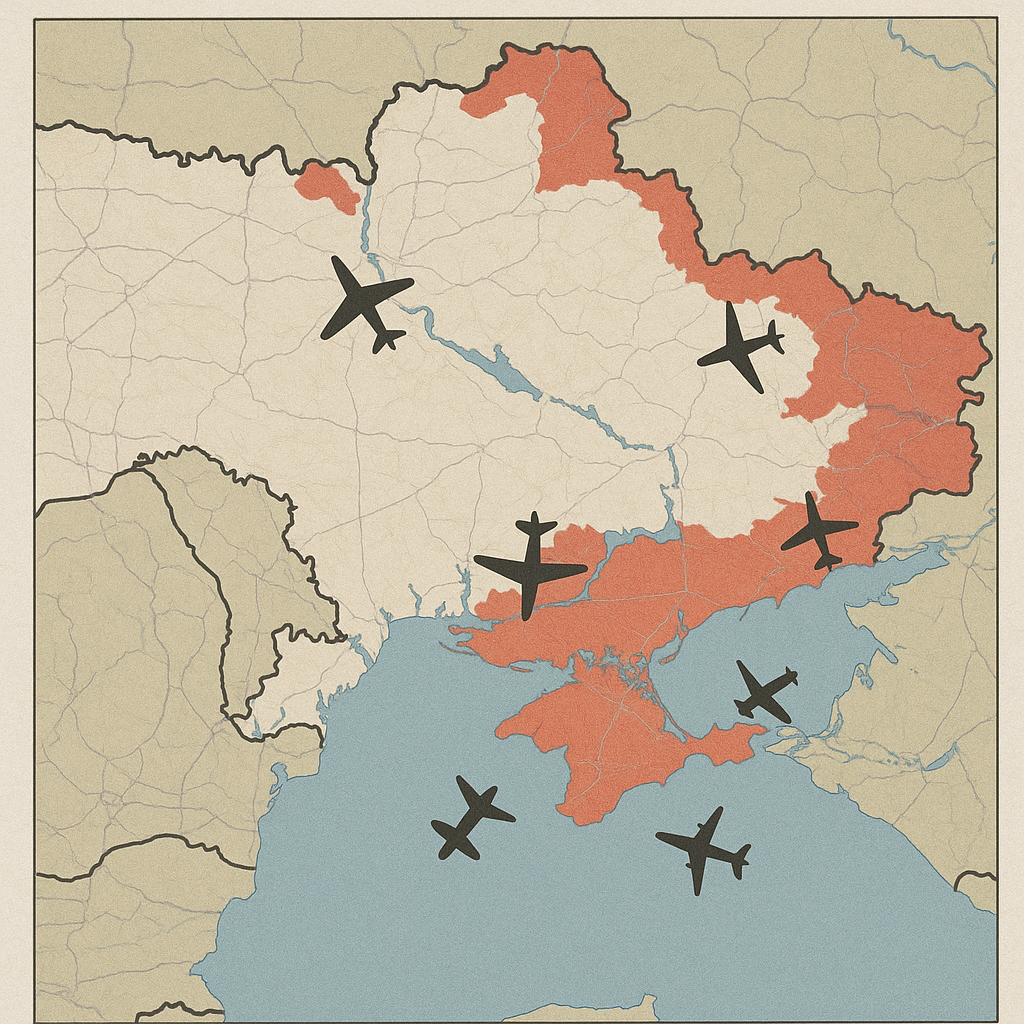
Technological and Tactical Challenges in War Zones
The logistics behind these rescues warrant attention. Combat search-and-rescue missions typically rely on a mix of advanced technology, human intelligence, and rapid execution. Modern aircraft like the HH-60 Pave Hawk helicopters often play a centerpiece role, equipped with infrared sensors and electronic countermeasures to withstand threats in hostile zones.
But rescue missions are not just about hardware—they’re about split-second decision-making and coordination. “The enemy constantly adapts,” explained the same Air Force veteran to Business Insider. “If it’s not surface-to-air missiles, it’s false intelligence to lure rescuers into ambush zones.”
The proliferation of misinformation compounds these challenges. Gizmodo recently highlighted the troubling spread of fake videos purporting to show the downed F-15 incident. Such disinformation, often blending real and fabricated footage, complicates rescue logistics while skewing public perception of what’s really happening on the ground.
The Public and Pentagon Reactions
Reactions to the rescue have been shaped by a mixture of relief and concern. Many celebrate the recovery of a second airman as a testament to the skills and bravery of U.S. personnel. “These missions reflect the extraordinary lengths we go to for our service members,” a Pentagon spokesperson stated during a recent press briefing.
But the incident also adds to growing questions about the trajectory of the conflict in Iran and its potential to escalate into a broader regional crisis. Analysts warn that rapid rescues, while necessary, are likely to exacerbate already fraught relations between Washington and Tehran. “Each high-profile incursion risks fueling a tit-for-tat dynamic, making de-escalation harder for either side,” one Middle East expert observed.
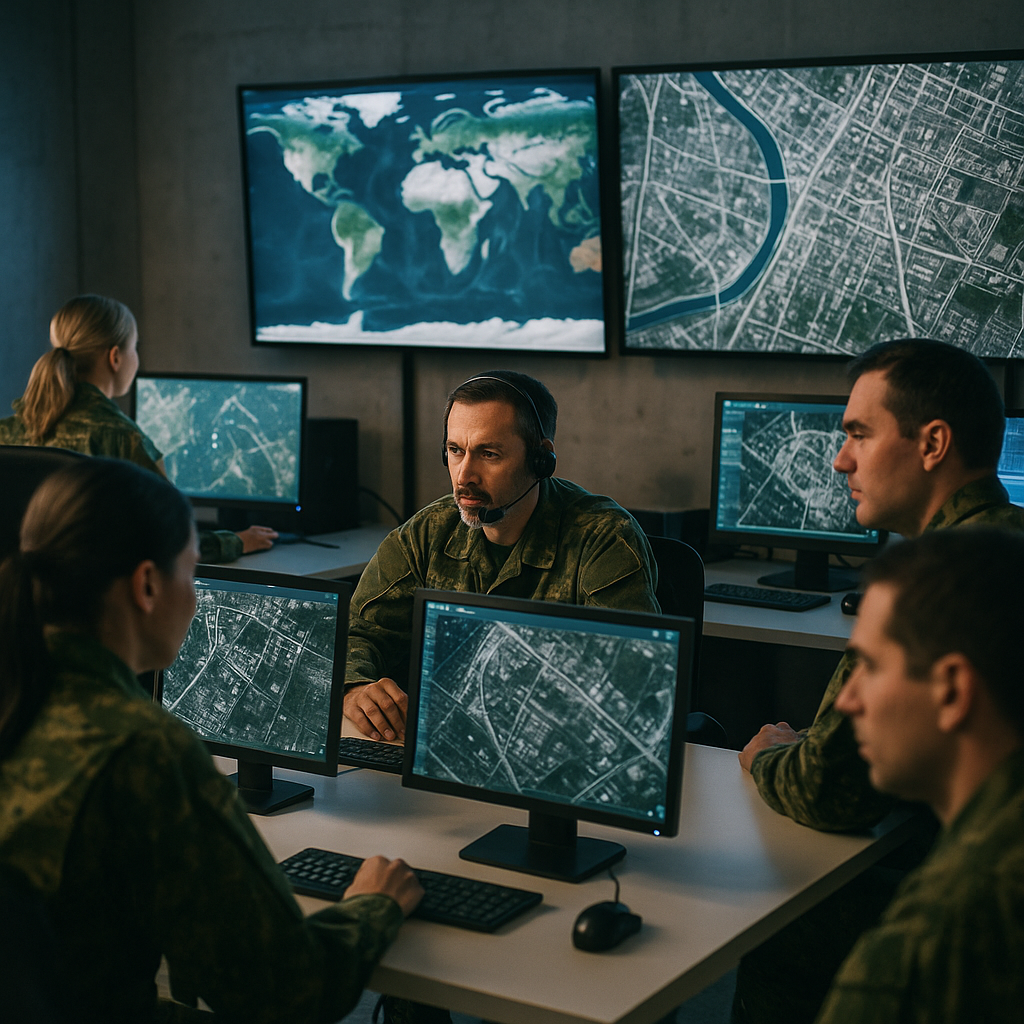
What Comes Next?
The rescue operation’s conclusion shifts attention back to the broader dynamics of the Iran war, now entering its sixth week. For the U.S., this conflict presents a multilayered challenge encompassing military, diplomatic, and humanitarian concerns. With reports suggesting that two more aircraft came under fire during the missions, questions about the sustainability and risks of prolonged aerial operations continue to grow.
For its part, Tehran is likely to use these events to galvanize domestic support and draw further condemnation of the U.S. from its allies and partners in the region. Meanwhile, the international community will continue to monitor developments in this increasingly volatile theater.
As this conflict unfolds, much remains uncertain. Efforts to curb misinformation, ensure the safety of military personnel, and maintain diplomatic channels will all play a crucial role in determining how the situation evolves in the days and weeks ahead.
For now, the focus remains on the ground and in the skies over Iran—sites where life-and-death decisions are taking place every minute.