Images chosen by Narwhal Cronkite
Sam Altman’s Leadership Under Fire: A Deep Dive into OpenAI’s Controversies
For years, OpenAI CEO Sam Altman has championed the responsible development of artificial intelligence, publicly calling for stringent regulations to mitigate its potential risks. However, a recent New Yorker investigation has raised serious questions about whether Altman practices what he preaches. From lobbying efforts that conflict with his expressed views, to lucrative deals with Gulf autocracies, and an alleged effort to suppress an internal investigation post-firing, Altman’s leadership is now under scrutiny. Can one of AI’s most powerful figures be trusted?
The Lobbying Paradox: Public Advocacy, Private Opposition
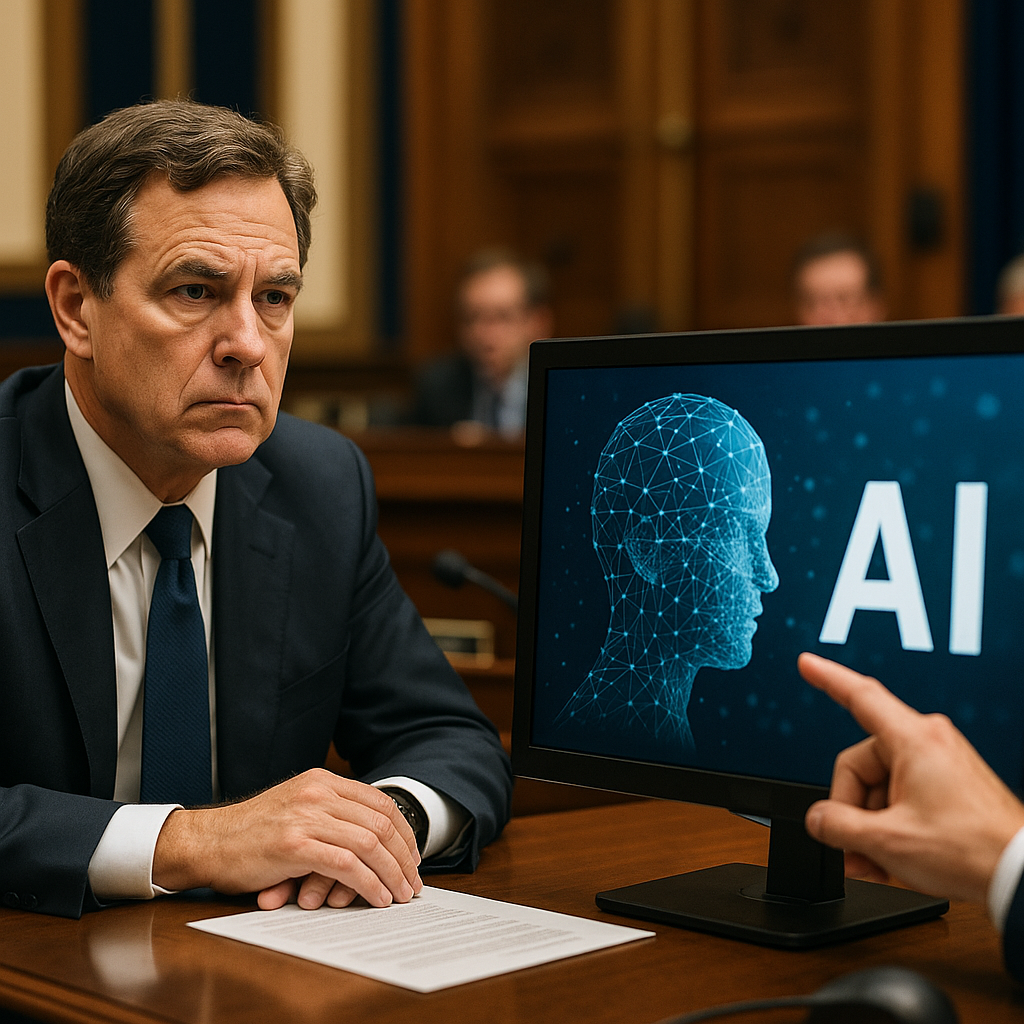
Altman has positioned himself as a vocal advocate for robust AI regulations, warning of the potentially catastrophic risks posed by unchecked artificial intelligence. As recently as 2023, he testified before U.S. lawmakers, emphasizing the need for guardrails to ensure AI’s safe deployment. “The stakes could not be higher. Humanity deserves safeguards against misuse,” he told a Senate committee.
Yet, behind closed doors, Altman appears to have taken a different approach. The New Yorker investigation unveiled records revealing that he lobbied against proposed rules that would have restricted AI companies from deploying advanced models without prior external audits. Analysts have suggested this would allow for rapid product rollouts without regulatory interference—great for maintaining OpenAI’s competitive edge, but contradictory to his public advocacy.
Industry observers argue this discrepancy erodes public trust. “When leaders publicly champion regulation but privately subvert it, it undermines both policy efforts and their own credibility,” said Sarah Mendel, an AI ethics researcher.
Pursuing Controversial Funding: Billions From Gulf Autocracies
Another controversial chapter involves OpenAI’s dealings with authoritarian Gulf states. According to the investigation, Altman sought multi-billion-dollar investments to fund OpenAI’s ambitious projects, allegedly courting sovereign wealth funds from nations in the Persian Gulf region. Human rights organizations have long criticized these autocratic regimes for crackdowns on free speech and limited governance transparency.
Critics argue that seeking funding from such governments could compromise OpenAI’s mission of prioritizing humanity’s welfare. “AI companies taking money from authoritarian states face an ethical dilemma,” said Dr. Rajiv Anand, a political economist. “These regimes could exploit AI technologies in troubling ways, whether it’s mass surveillance or suppressing dissent.” While OpenAI has not disclosed the terms of these alleged investments, transparency advocates are pushing for greater clarity around such funding arrangements.

An Internal Investigation That Left No Paper Trail
Arguably the most eyebrow-raising revelation concerns Altman’s actions following a brief period of internal dissent. In late 2023, OpenAI’s board fired Altman. For transparency and accountability, they initiated an investigation into his tenure, led by external consultants. Yet, no written report was produced—a highly unusual outcome for such a significant inquiry.
The New Yorker noted that the lack of documentation could be interpreted in several ways. OpenAI has refrained from providing a full explanation, fueling speculation about whether the investigation uncovered damaging findings that were deliberately suppressed—or, alternatively, whether the investigation failed to substantiate allegations against Altman.
“Failing to document an internal probe involving one of the tech industry’s most scrutinized leaders is a major transparency misstep,” said Edward Kline, a corporate governance specialist. “It raises red flags about accountability within nascent AI governance structures.” The incident remains a focal point of debates over leadership ethics in transformative tech.

The Trust Question: What Does This Mean for AI Governance?
The crux of the controversy comes down to trust—not only in Altman but in corporate-run AI development as a model. OpenAI was founded with the lofty mission of ensuring superintelligent AI benefits all of humanity, yet these recent revelations paint a complicated picture. If OpenAI’s stewardship is at risk of being compromised by personal ambition, political deals, or ethical blind spots, critics argue it underscores the need for broader oversight structures.
“When companies are leading technologies that could potentially reshape civilization, governance cannot rest solely on promises of integrity,” said Mariana Olson, a professor of technology policy. “We need independent oversight and checks that go beyond self-reported principles.”
Some have suggested OpenAI’s nonprofit roots may offer a way forward. The organization’s founding principles included a duty to humanity above profits—a model several argue is worth reinvigorating. However, as OpenAI has plunged into commercial ventures and partnerships, its nonprofit ethos appears increasingly diluted.
What to Watch Next
Altman’s leadership will likely remain a polarizing topic for years to come as OpenAI continues to shape the future of artificial intelligence. Several key developments are worth tracking:
- Regulatory Action: As AI regulation gains traction across the world—particularly in the EU and the U.S.—how will OpenAI respond? Will Altman continue lobbying privately against measures he publicly supports?
- Funding Transparency: Calls are growing for OpenAI to disclose the terms of any recent funding agreements, especially from foreign governments.
- Organizational Accountability: Will OpenAI take steps to address concerns about its internal governance? A stronger commitment to transparency could help restore its credibility.
The broader conversation around AI governance is only just beginning. As the ramifications of Altman’s decisions unfold, one thing is clear: the AI revolution demands vigilant scrutiny—not just of the systems being built, but of the people building them.
Conclusion
Sam Altman’s journey from visionary leader to embattled figurehead highlights the profound complexities of managing transformative technology. While OpenAI remains at the forefront of AI innovation, its ability to navigate ethical dilemmas and governance challenges will shape not only its future but potentially that of humanity. Whether Altman will regain—or retain—the trust of the wider community depends on actions, not words, in the years to come.