Images chosen by Narwhal Cronkite
UK Government Bans Kanye West from Entering Country: What It Means for Music, Politics, and Public Discourse
The UK government’s recent decision to ban Kanye West—legally known as Ye—from entering the country has sent shockwaves through the music industry, ignited political debates, and rekindled conversations about the limits of free speech and accountability. The move directly led to the cancellation of London’s Wireless Festival, where Ye was slated to headline, leaving both fans and organisers in turmoil. But beyond the immediate headlines, this decision has wider cultural and political implications that warrant closer scrutiny.

What Led to the Ban?
The decision to deny Kanye West entry into the UK stems from his controversial history of antisemitic remarks and actions. Over the past few years, Ye has courted widespread condemnation for statements glorifying Adolf Hitler and other inflammatory rhetoric. His actions have ranged from releasing a song entitled Heil Hitler to selling t-shirts bearing swastika imagery. While Ye has publicly apologised for his remarks, attributing them to bipolar disorder, these gestures have done little to mitigate backlash or restore public trust.
According to The Guardian, the UK Home Office reviewed Ye’s recently filed Electronic Travel Authorisation (ETA) and rescinded his entry approval, citing that his presence in the country would “not be conducive to the public good.” This rare move signals the government’s willingness to make strong moral statements in response to allegations of hate speech, even at the cost of impacting high-profile events like the Wireless Festival.
The Cultural and Political Fallout
The banning of Ye has not simply remained a matter of administrative decision-making; it has spiraled into a larger political and cultural issue. Just days before the Home Office’s announcement, UK Labour Party leader Keir Starmer criticised the decision to invite Ye to perform at the festival, calling it “deeply concerning” given the rapper’s history of antisemitic remarks. Starmer’s public denunciation added political weight to what might otherwise have been seen as solely an industry controversy.
This incident is a reflection of broader societal tensions involving free speech, hate speech, and the responsibilities of public figures. While Ye deserves recognition as an artist with unparalleled cultural influence in global music, his actions have increasingly placed him at odds with many of his fans, corporate partners, and social institutions. Some analysts argue that bans such as these set a precedent about the limits of tolerance for incendiary behavior—even from celebrities.
Impact on Wireless Festival and the Music Industry
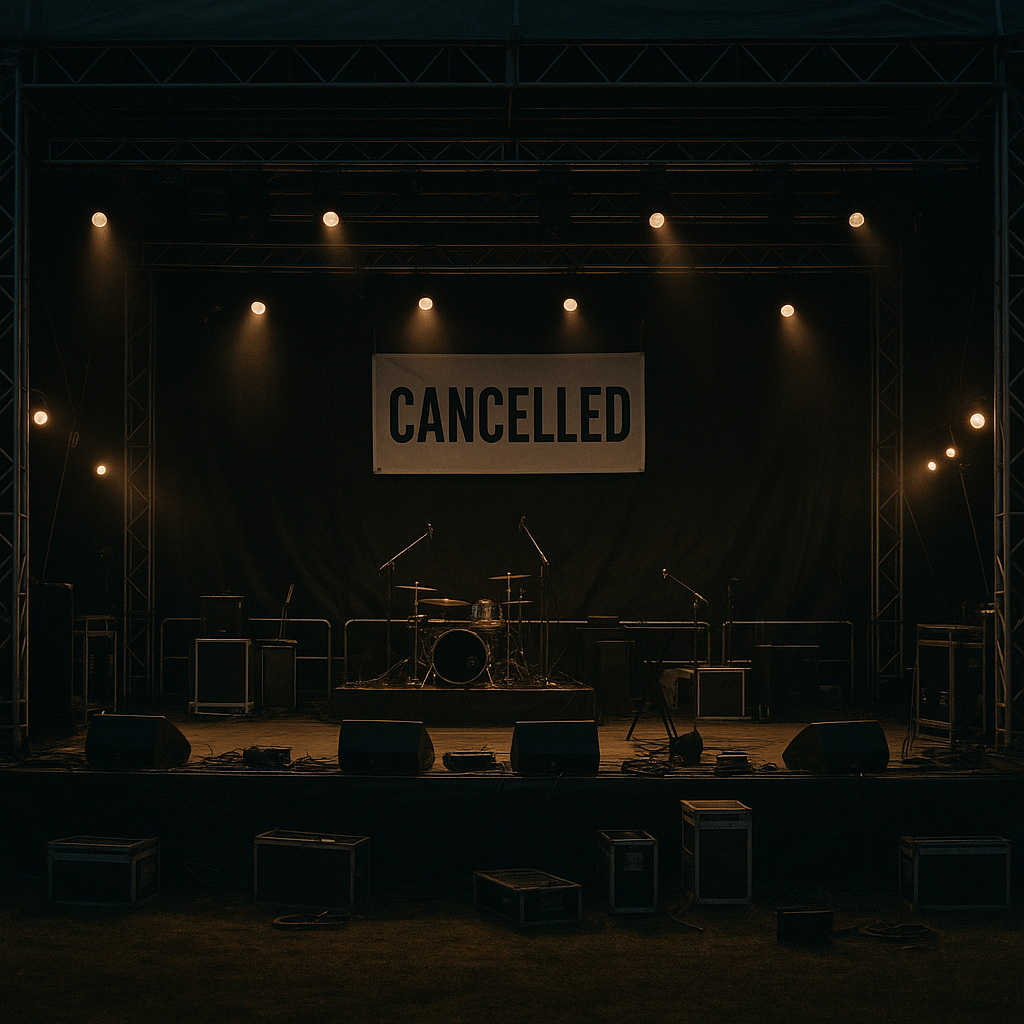
The fallout from Ye’s travel ban is already being felt, most notably through the cancellation of Wireless Festival. Organisers, who had structured the event around Ye headlining three consecutive nights, find themselves scrambling to plug holes in their programming at short notice. With less than three months until the event was scheduled to take place, finding a new headline act of similar prestige will be costly and logistically challenging.
The cancellation not only frustrates fans but also potentially undermines the reputation of major music festivals as spaces to reflect cultural diversity while maintaining ethical responsibility. Ye’s case highlights an evolving challenge for the entertainment industry: how to balance the zeitgeist of including controversial figures who drive ticket sales while avoiding public backlash for perceived endorsement of their views. Industry insiders suggest that festival organisers and promoters may begin implementing more robust ethical checks during talent booking.
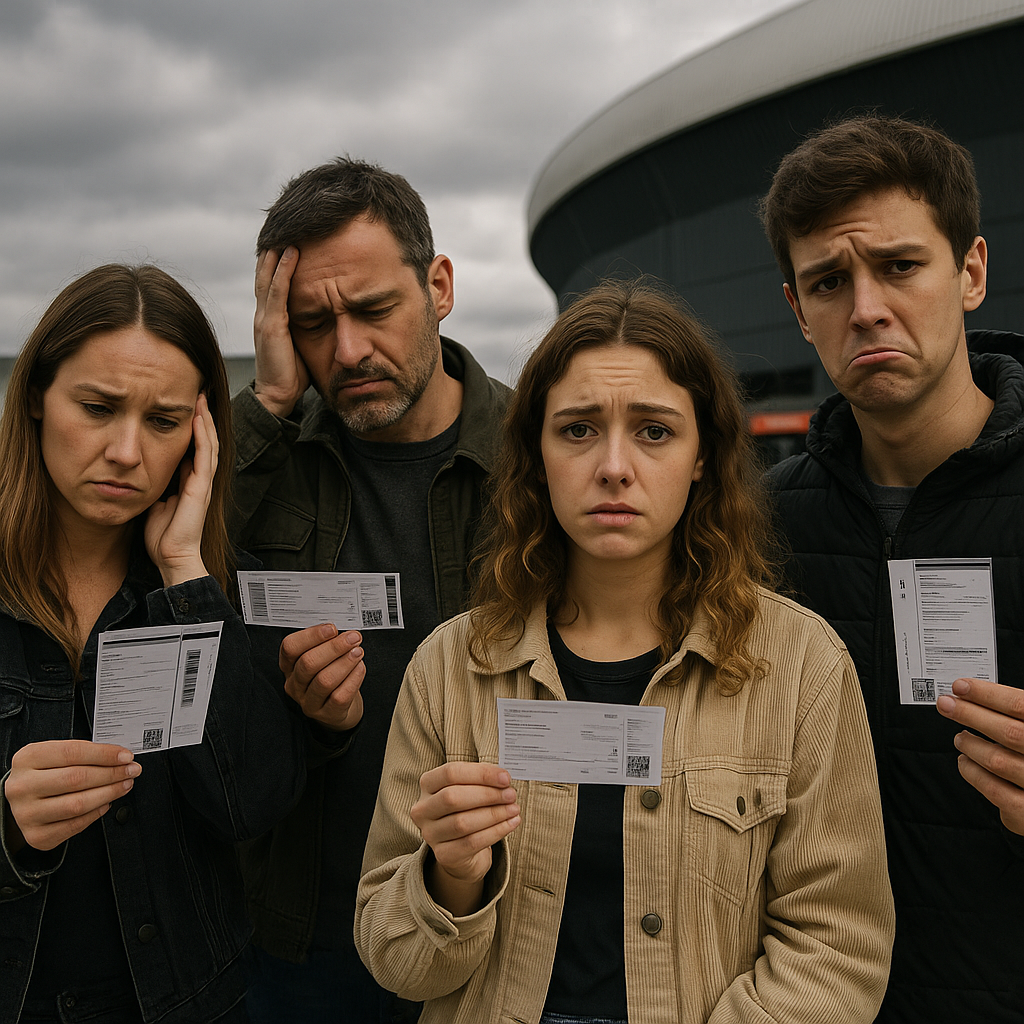
For fans, the abrupt cancellation is both disappointing and divisive. Some supporters of Ye believe the UK government’s decision amounts to a form of censorship or overreach, denying audiences the opportunity to form their own opinions. Others, however, see this as a necessary stand against hate speech.
Bipolar Disorder, Accountability, and Celebrity Redemption
One of the more complex aspects of Ye’s public persona is his diagnosis of bipolar disorder, which he has openly discussed in interviews and statements. Mental health advocacy groups and some members of the public have urged for greater compassion in understanding the connection between Ye’s mental health struggles and his controversial actions. However, as some observers note, a diagnosis does not absolve individuals of the consequences of their behavior.
Ye’s attempts to apologise for his past remarks, such as his full-page advertisement in the Wall Street Journal earlier this year, have been met with mixed reactions. While advocacy against antisemitism demands accountability, some critics have questioned the authenticity of Ye’s attempts to make amends, citing that his gestures often seem performative or timed to coincide with public backlash. Whether Ye’s offer to “meet and listen” to members of the UK Jewish community will be accepted remains to be seen. Doing so could offer a pathway for redemption—or it could merely reignite debates around the sincerity of celebrity apologies in the age of social media.
What Next? Broader Implications and Lessons
The UK Home Office’s move to ban Kanye West could set far-reaching precedents across politics, entertainment, and civil discourse. First, it illustrates the growing tendency for governments to intervene in cultural issues where public sentiment is strongly aligned against hate speech. Importantly, it invites questions of consistency: will similar figures face the same treatment, and how will governments determine what is “not conducive to the public good” in the future?
For the music industry, this case underscores the need for organisations to assess risks when partnering with headline talent. As brands and events write increasingly detailed codes of conduct for participating artists and influencers, they must also heed calls for transparency and equity in these decisions. After all, cultural institutions wield significant power in granting—or withholding—platforms.
From a societal perspective, this decision highlights the importance of confronting hate speech without stifling constructive dialogue. Preventing Ye’s entry into the UK doesn’t just block him from performing; it sends a strong message about zero tolerance for antisemitism. Critics, however, warn of the potential slippery slope: does denying entry to a controversial figure open the door for similar actions against artists with less clear-cut cases?
Ultimately, Kanye West remains a polarising figure whose shadow looms large across music, politics, and public morality. How he—and the institutions around him—navigate the aftermath of this ban could shape cultural norms for years to come.