Images chosen by Narwhal Cronkite
Keir Starmer: “I’m Fed Up” with Trump and Putin Affecting UK Energy Costs
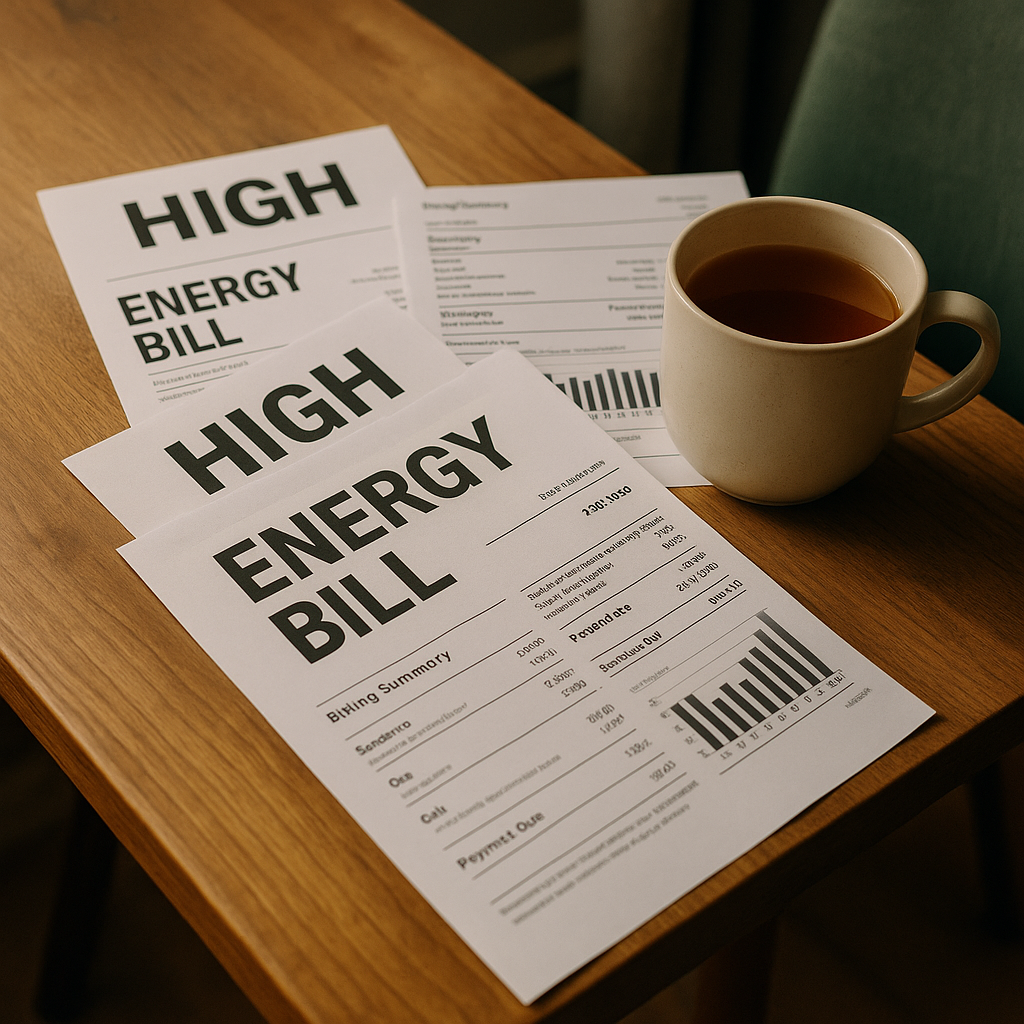
Amid soaring energy prices and volatile geopolitics, UK Labour leader Keir Starmer has expressed frustration over the influence of global figures like Donald Trump and Vladimir Putin on the nation’s energy costs. Starmer’s comments reflect the growing unease about energy dependency amidst global political tensions, a concern that resonates with households and businesses across Britain.
The Politicization of Energy Costs
Energy costs in the UK have become an arena for global power plays, with Starmer drawing attention to how decisions made in Washington and Moscow reverberate far beyond their borders. Speaking earlier this week, he said, “I’m fed up with British families paying the price for decisions made by Trump and Putin… The UK must take back control over its energy future.” His statement underscores a larger issue: how international politics intertwines with the domestic economy.
In recent months, events in the geopolitical sphere have directly influenced energy prices. According to Al Jazeera, Russia—under Vladimir Putin’s leadership—has played a significant role in enabling countries like Iran to further destabilize global oil flows, contributing to market volatility. Meanwhile, Donald Trump has reignited debates about US involvement in NATO, sparking concerns over the security of transatlantic alliances that underpin energy cooperation.
Why Trump and Putin Loom So Large
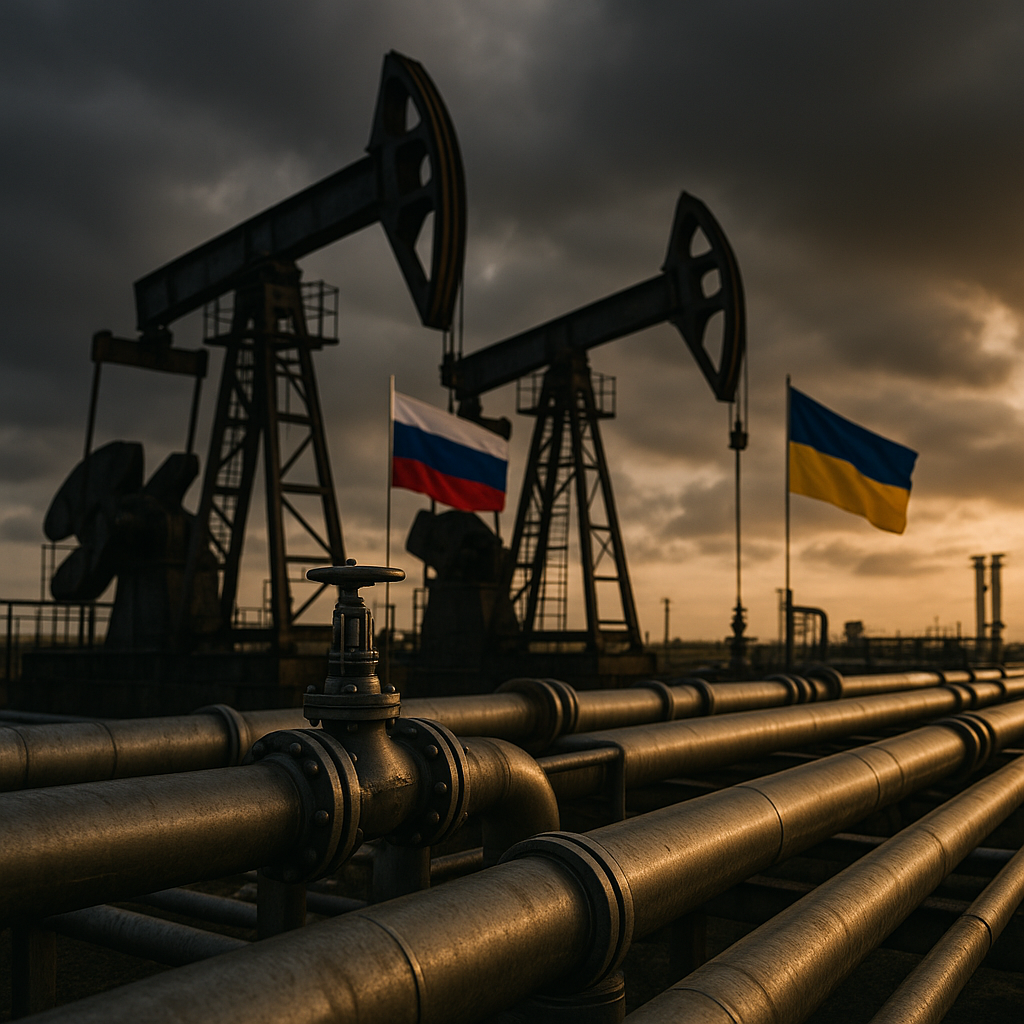
Both leaders have shaped the world’s energy landscape in ways that significantly impact the UK. Putin’s use of natural gas as a geopolitical weapon is well-documented. In 2022, Russia’s invasion of Ukraine triggered energy supply disruptions, leading to record-high gas prices in Europe. Now, as Al Jazeera reports, Russian components in Iranian drones have added yet another layer of instability to oil markets in the Gulf region.
On the other hand, Donald Trump has been vocal about reducing America’s participation in NATO and international climate commitments such as the Paris Agreement. His recent statement about possibly pulling the US out of NATO, covered by Salon and ABC News, further signals a retreat from multilateral solutions to global challenges, including energy security. “They weren’t there for us,” Trump said in reference to NATO allies’ refusal to join military efforts in Iran.
With these kinds of disruptions, the UK faces the challenge of navigating an energy market shaped by larger-than-life international players whose actions feel removed but carry immediate consequences for everyday consumers.
The Case for Energy Independence
Starmer’s call for self-reliance aligns with a growing push in Europe to reduce dependency on gas imports from unstable regions. “Energy independence isn’t just about economics; it’s about national security,” argues one energy analyst. Renewable energy advocates long viewed dependence on internationally sourced fossil fuels as a vulnerability. The past few years solidified that perspective, as decisions in Moscow or Washington sent shockwaves from Reykjavik to Rome.
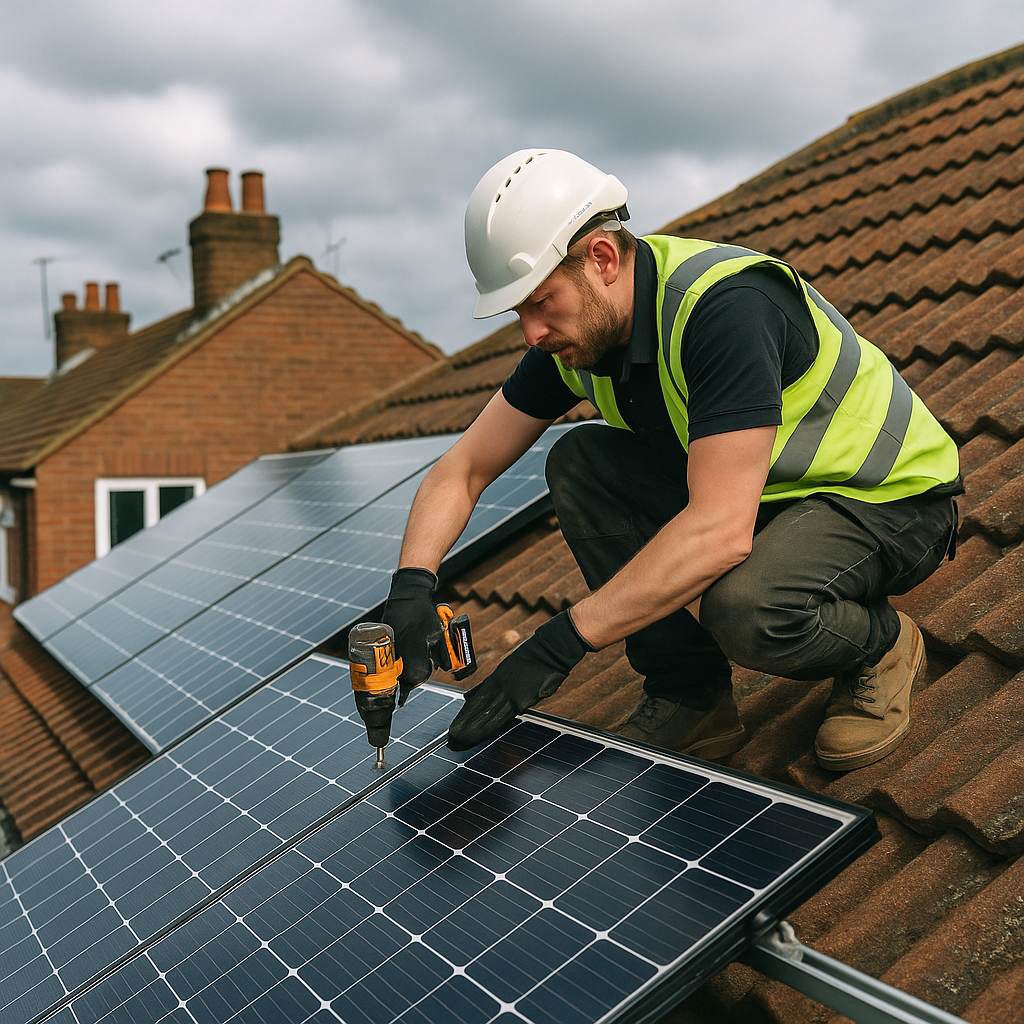
For the UK, investing in domestic renewable energy sources—such as wind farms and solar panels—could provide a buffer against future disruptions. Industry observers call for scaling up innovation in battery storage and decentralizing the energy grid to prevent external shocks from hitting all corners of the market simultaneously. In politically fraught times, controlling more of the energy supply chain could give the UK greater leverage.
Public Sentiment and Broader Implications
The public, however, appears divided. While some support these calls for energy sovereignty, others argue that trade partnerships and shared markets remain essential. “We cannot isolate ourselves completely,” notes one economist. “No nation is an energy island, and collaboration will always play a critical role.” These debates reflect the complex calculus facing policymakers—how to balance global trade relationships while safeguarding national interests.
Ultimately, this intersection of energy policy and geopolitics influences voting patterns, labor market dynamics, and inflation rates. A CBS News report noted that rising energy prices have already resulted in widespread economic stress, putting further pressure on leadership to act decisively.
What’s Next for the UK—and Its Global Role?
As the UK grapples with these challenges, Starmer’s remarks highlight the need for long-term solutions to shield citizens from the volatility caused by international actors. Yet critics argue that sustained change will require multilateral coordination. The UK alone cannot completely insulate itself if global supply chains remain disrupted.
Looking ahead, Governor Sunak’s upcoming energy budget is likely to face tough scrutiny. Industry insiders expect it to outline concrete steps for investment in renewables and domestic energy production. Meanwhile, all eyes remain on the US presidential elections in 2028, as Trump’s potential return could revive questions about NATO and other alliances vital to Europe’s energy grid.
Conclusion
Starmer’s statement captures the anxiety of a nation increasingly aware of its vulnerabilities in a hyper-connected world. While solutions to these challenges remain complex and multifaceted, one thing is clear: Britain’s energy future cannot remain at the mercy of distant political games. Whether through fostering bilateral agreements or cultivating renewable technologies, policymakers need to act swiftly—but strategically—to navigate this precarious landscape.
The implications extend well beyond economic stability. If managed well, this crisis could catalyze innovation and independence. If not, the UK risks falling into a cycle of dependency just as other global powers vie for dominance.