Images chosen by Narwhal Cronkite
US Judge Orders Pentagon to Restore Press Access
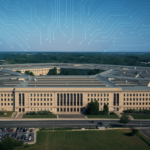
The United States District Court has made a landmark ruling that could reshape how the Department of Defense engages with the press. On April 9, 2026, a federal judge ordered the Pentagon to fully reinstate press access for reporters and outlets affected by its restrictive policies, deeming certain limitations unconstitutional. This decision, covered extensively by Reuters and other outlets, highlights the delicate balance between government accountability and national security.
A Clash Between Free Speech and National Security
At the heart of the case lies a fundamental question about the intersection of public interest and military operations. The Pentagon had introduced tightened access policies in recent years, citing concerns over classified information leaks and operational security. While such restrictions were intended to safeguard sensitive data, critics—including journalists and civil rights advocates—argued that these measures unduly limited transparency into military affairs. As noted by Alltoc.com, the court ruled that parts of these policies infringed upon First Amendment rights.
Judge Eleanor Patrick’s ruling emphasized that journalists must be allowed reasonable access to cover matters of public interest, including defense operations. “When the press functions efficiently, it strengthens democracy and reinforces public trust,” Patrick stated during her judgment. However, she maintained that this access does not extend to classified defense information, reinforcing the need for a balanced approach.

How Did the Pentagon’s Policy Evolve?
The Pentagon’s restrictive policies were first introduced in response to high-profile incidents involving unauthorized data disclosures. In 2024, a whistleblower case gained national attention, prompting heightened scrutiny of journalistic access to military installations. Over time, measures such as limited press briefings, pre-screening questions, and tighter credential policies were implemented.
While the Pentagon claimed these changes were necessary for operational security, industry analysts viewed the moves skeptically. “Restricting access means fewer opportunities for journalists to report on military spending, potential waste, or personnel issues. These are matters of public concern,” noted media expert Jeremy Clark.
According to defense officials, the policy updates were not intended to diminish journalistic freedom but to adapt to increasingly complex logistics within the information age. Still, its critics argued that withholding access sets a dangerous precedent.

Legal Implications of the Ruling
The recent court decision underscores the judiciary’s significant role in defining the balance between freedom of speech and government authority. Legal scholars have indicated that this case could influence broader discussions on press access across various government agencies.
“It’s rare to see such direct judicial intervention in press-government relations,” noted constitutional law professor Maria Adele from Georgetown University. “This ruling sends a clear message that First Amendment rights carry significant weight, even in cases involving national security.” The Pentagon must review its current policies to ensure they align with constitutional norms while safeguarding sensitive data—a tightrope walk, given international instability and domestic scrutiny of defense spending.
What Does This Mean for Journalism?
For journalists, the court’s decision is a significant win. Greater access will enable defense correspondents to report with depth and accuracy. Sarah Lopez, a veteran journalist specializing in defense issues, expressed optimism: “After years of navigating secrecy and restrictions, reporters will now have clearer guidelines and improved opportunities to inform the public. This victory is not just for us but for every American who deserves transparency in military operations.”
Organizations such as the National Press Club and Reporters Without Borders have praised the ruling, urging other government agencies to consider similar reforms to embrace press freedom. It highlights the necessity of maintaining a free and independent media, particularly when covering matters of public importance like defense budgets, policy changes, and international deployments.
Simultaneously, the decision serves as a reminder that journalistic ethics remain paramount. Reports based on military operations require sensitive handling to prevent potential national security risks. Media analysts suggest that both the government and journalists will need to collaborate to create frameworks ensuring accountability without jeopardizing security.
Looking Forward: Implications for Press Access Nationwide
Although this ruling specifically applies to the Pentagon, it could set a precedent for other federal agencies to reassess press handling policies. From intelligence organizations to civilian departments, the decision may prompt broader discussions about transparency, access, and accountability within governmental institutions.
The upcoming months will reveal whether the Pentagon complies seamlessly or challenges the ruling further. Industry observers predict increased political dialogue around the ruling, particularly concerning balancing constitutional rights with complex governmental needs. Additionally, watchdog organizations may intensify scrutiny of compliance efforts to ensure the ruling’s implementation is meaningful.
From Washington, D.C., to newsrooms across the country, all eyes will be on the Department of Defense as it revisits its policies. This pivotal moment not only underscores the enduring importance of the First Amendment but also reignites the discussion on maintaining open government practices in the modern age.