Images chosen by Narwhal Cronkite
Majority of Refugees Admitted to the US Are South African: Analyzing a Controversial Policy Shift
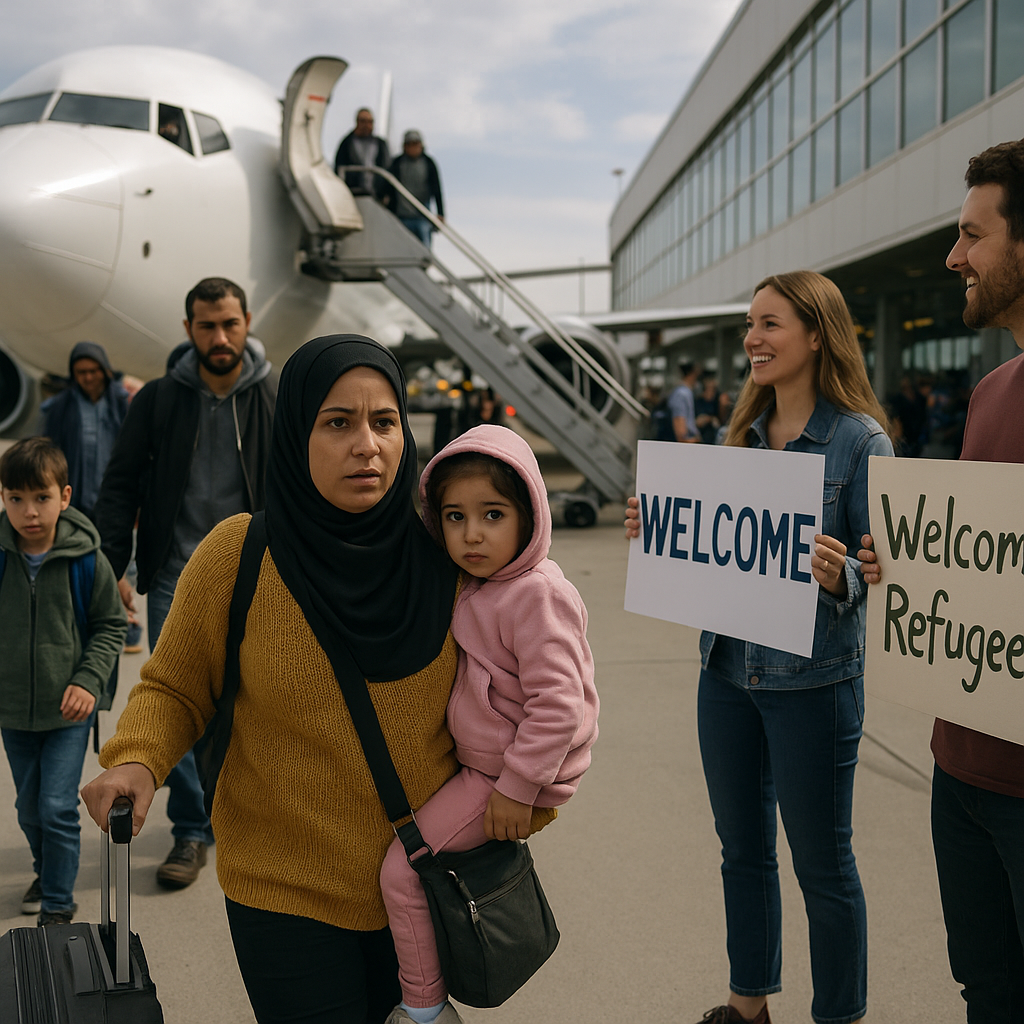
In a striking departure from past U.S. refugee resettlement trends, 4,499 of the 4,502 refugees admitted to the country since October 2025 have hailed from South Africa, according to government data reported by the BBC. This seismic shift is not just numerical. It reflects a broader reorientation of U.S. refugee priorities under the leadership of President Donald Trump, raising serious questions about how refugee classifications are determined and the potential repercussions on international relations.
From Diverse Arrivals to a Singular Focus
The contrast is stark. During President Biden’s final full fiscal year in office—spanning from October 2023 to September 2024—125,000 refugees from 85 countries were resettled under a broad-based policy emphasizing global humanitarian needs. But this inclusivity has given way to a narrower focus, as evidenced by the startling fact that all but three recent refugees were of South African origin. The excluded three were reportedly from Afghanistan, a nation still grappling with the fallout of decades of conflict.
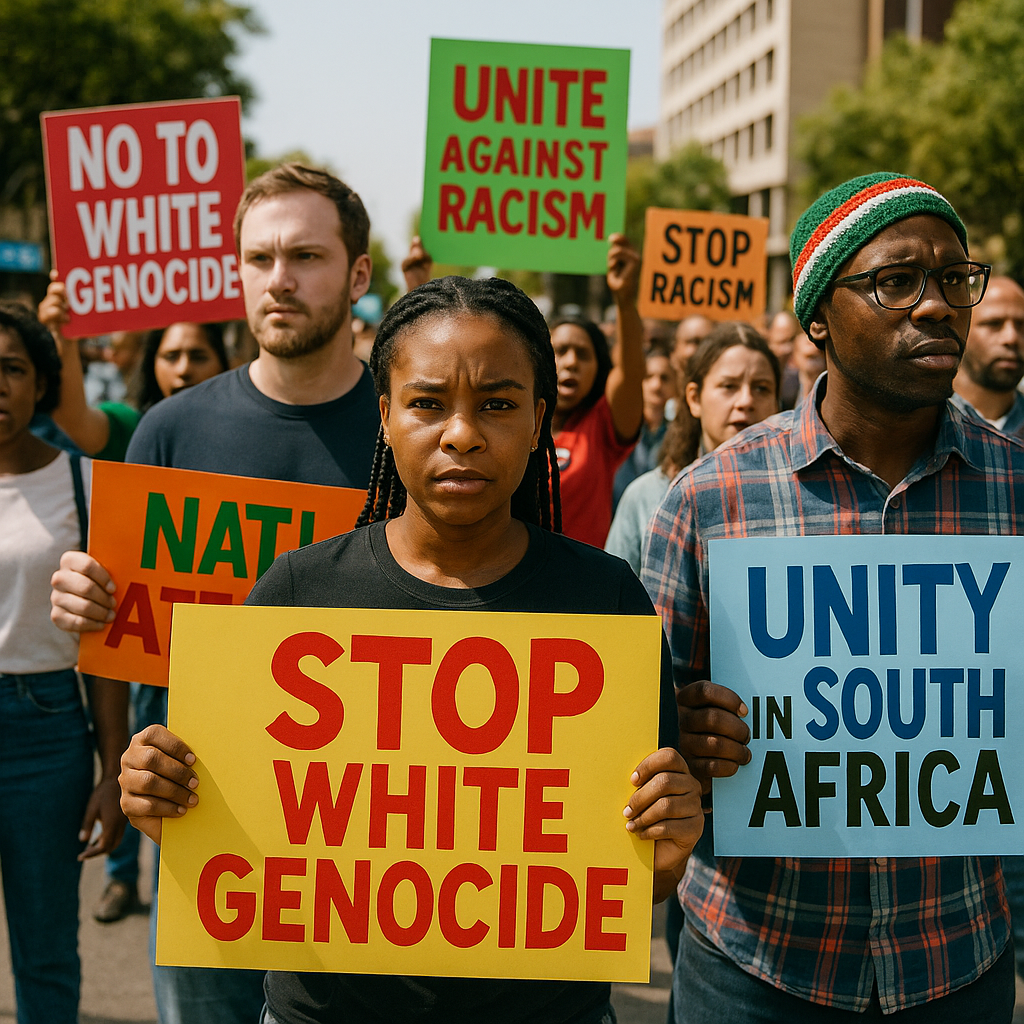
Central to this policy shift is the prioritization of Afrikaners, a white minority group within South Africa. Explaining the change, President Trump stated that the policy seeks to aid groups subjected to what he described as “illegal or unjust discrimination” in their home countries. Afrikaners, he believes, are victims of such persecution, including targeted acts of violence and economic marginalization.
Critics, however, argue that this characterization lacks reliable evidence. The South African government has repeatedly rejected claims of widespread persecution against its white citizens, specifically allegations of “white genocide,” labeling such narratives as exaggerated and misleading.
Humanitarian Aim or Political Play?
While the administration describes its refugee policy as a “humanitarian initiative,” analysts argue the move could be linked to broader political calculations. By focusing almost exclusively on a white, Christian demographic, Trump may be using refugee programs to appeal to his conservative voter base, many of whom view global migration through a lens of security concerns and cultural preservation.
“Global refugee crises aren’t one-dimensional,” says Dr. Lisa Menendez, a migration studies professor at Georgetown University. “By narrowing the focus to one group, the U.S. risks undermining its own credibility in responding to international humanitarian needs more broadly.” Indeed, countries like Sudan, Iran, and Afghanistan have been experiencing escalating violence and displacement, as detailed in reports by Al Jazeera and Jezebel, yet their nationals are no longer reaching U.S. shores in significant numbers.
Further complicating matters is the resulting strain on U.S.-South Africa relations. Diplomatic tensions between Washington and Pretoria have heightened, with South Africa publicly criticizing what it describes as a “racially selective” refugee policy. The expulsion of South Africa’s ambassador in 2025, following accusations that the Trump administration was “mobilizing supremacism,” has only deepened the divide.
The Bigger Picture: Refugee Crises Elsewhere
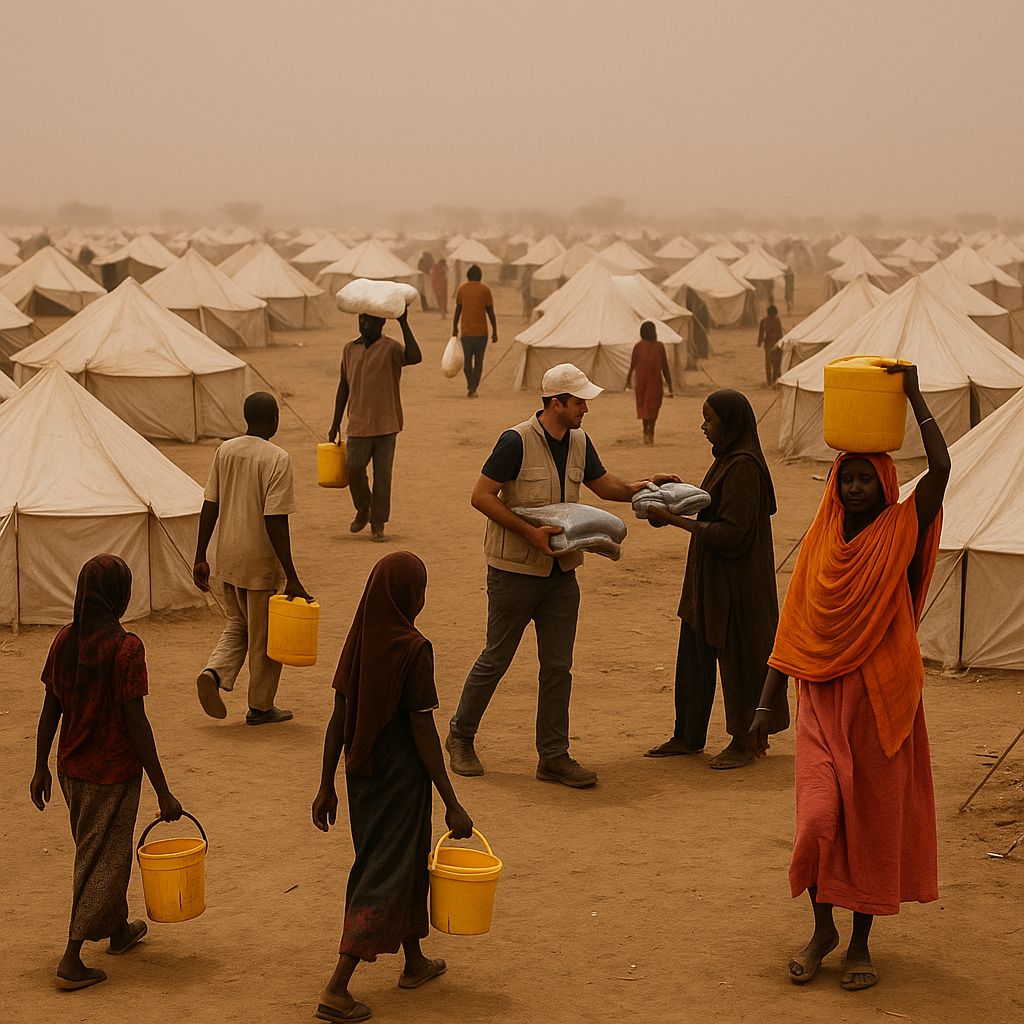
The singular focus on Afrikaner refugees starkly contrasts with the humanitarian crises that are unfolding globally. Other nations, such as Sudan, Afghanistan, and Iran, are grappling with large-scale displacement and urgent refugee needs, according to coverage in Jezebel and The Indian Express.
Sudan has been described as experiencing one of the world’s most severe humanitarian crises, marked by sexual violence, civil conflict, and dire living conditions. Meanwhile, Afghanistan continues to endure the repercussions of prolonged instability, most recently exacerbated by a deadly airstrike on a Kabul hospital, which reportedly killed more than 400 individuals. In the Middle East, neighboring countries brace for an influx of refugees as the conflict in Iran intensifies, further complicating an already delicate geopolitical landscape.
“The international community must ask whether the global refugee framework is being undermined by selective policies,” notes Victoria Akinde, a migration and human rights lawyer. “If wealthy nations cherry-pick who gets asylum based on factors other than genuine need, it sends a damaging message to less stable regions bearing the brunt of global displacement.”
A Policy Prone to Backlash
Back in South Africa, even some members of the Afrikaner community have distanced themselves from the narrative advanced by Trump’s policies. A group of prominent Afrikaner figures, including academics and business leaders, recently penned an open letter denouncing the claim of white genocide.
John Steenhuisen, leader of South Africa’s Democratic Alliance party and a member of the coalition government, echoed this sentiment during a direct meeting with Trump in the Oval Office last year. “The majority of South Africa’s commercial and smallholder farmers truly want to stay and contribute to building the nation,” Steenhuisen asserted, refuting claims of systematic persecution.
The policy has also drawn criticism within the U.S. Many argue that the resources currently directed toward Afrikaner resettlement could otherwise assist refugees from more distressed regions. According to Rachel Evans, a policy analyst at the Migration Policy Institute, “Resettlement is not just about national security or culture. Refugee policies traditionally reflect a country’s role as a global leader in offering sanctuary to the world’s most vulnerable populations. This shift abandons that principle in favor of domestic political signaling.”
What Lies Ahead?
With barely a year left until the next U.S. presidential election, Trump’s refugee policy is likely to remain a focal point of both domestic and international scrutiny. The prioritization of South African refugees, at the expense of addressing broader global displacement crises, will undoubtedly fuel debate over America’s role in the global humanitarian landscape.
Observers suggest that adjustments to the policy could hinge on political outcomes in the 2026 election. Another key factor will be how the narrative around Afrikaner refugees evolves, both within the U.S. and abroad. For South African citizens who have already resettled, questions also remain about how they will integrate into American society and whether their arrival will stir tensions in already polarized communities.
In this critical moment for U.S. refugee policy, the stakes are broader than one administration or one group. As the world continues to grapple with mass displacement, the choices made today will influence not only the lives of refugees but also the future of global solidarity.