Images chosen by Narwhal Cronkite
Anyone Know How I Can Cancel This? A Deeper Look at the Dreaded Question of Cancellation
In an increasingly interconnected yet chaotic digital age, one question echoes louder than ever: “Anyone know how I can cancel this?” It’s a universal cry that could apply to a streaming service, a mistakenly subscribed newsletter, an impulsively booked vacation, or even metaphorical entanglements like toxic workplace cultures or rigid ideologies. But the question is not as straightforward as it seems—cancellation, in all its forms, reflects broader challenges related to technology, relationships, and societal norms. Let’s dive in.

The Tech Tangle: When Cancellation Isn’t One Click Away
In the world of technology, the act of canceling something isn’t always as simple as it should be. One striking example comes from database management. According to Neon.com, even seasoned database engineers find query cancellation in PostgreSQL—which ostensibly just requires a quick CTRL-C command—needlessly convoluted and unwieldy. The platform has been employing a workaround for cancellations for three decades, leading developers to describe the process as “hacky and unreliable.”
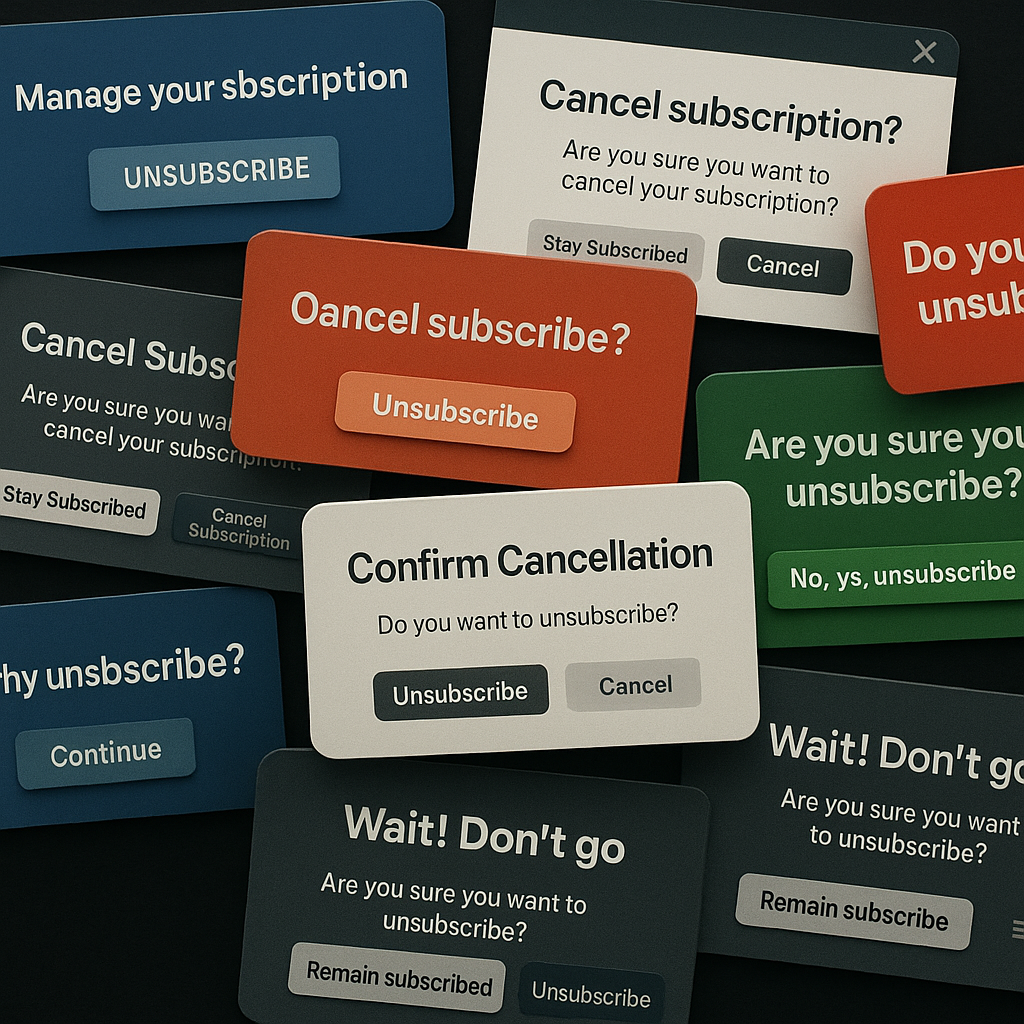
This example extends to consumer-facing services. Many users have encountered convoluted paths to unsubscribe from services, be it a gym membership, streaming platform, or a “freemium” mobile game app. Tech enthusiasts often note that companies benefit financially from making cancellation just difficult enough that consumers give up before completing the process.
So, why is this so widespread? Some analysts believe it stems from the psychological principle of “operant conditioning.” As users are forced to take repetitive actions or bear friction in canceling a service, companies exploit the notion that humans value their time too much to keep trying. The result? A user may eventually let their subscription linger rather than fight their way through pop-ups, questionnaires, and auto-responses asking them to reconsider.
Cancel Culture, Reinvented: When Exits Go Beyond Products
The concept of “canceling” has also transcended technology, edging its way into broader cultural discussions. Take the term “cancel culture”—originally a niche phenomenon of calling out public figures for misconduct—and its evolution into a catch-all phrase for silencing dissent or severing ties with people, ideas, or even entire communities.
Amid dramatic and very public cancellations, the recent season of “The Bachelorette,” centered on influencer Taylor Frankie Paul, was pulled due to unforeseen controversy. According to Jezebel, the fallout not only led to ABC’s swift abandonment of the show but also sparked a flurry of divorces among participants from Utah’s niche “Mormon Wife” social circles. Observers argue that cancellation in such highly visible contexts—whether of media products or societal relationships—reflects communities under stress, questioning shared rules and values.
“Canceling,” some sociologists suggest, has become a public act of signaling personal ethics or dissatisfaction with institutions, even as the motivations can vary from genuine to performative. Rather than addressing issues at their core, the act of stepping away or “canceling” often serves as a coping mechanism for immediate circumnavigation of the conflict, be it spiritual, emotional, or commercial.
False Escapes: Why Unsubscribing From Old Systems Can Be Hard
Another layer of complexity in the cancellation dilemma stems from seemingly unrelated industries. Take, for instance, decision-making in personal finances and self-improvement. A uniquely poetic critique comes from the satirical blog Adorable & Harmless, whose author explores how data visualization tools and analytics can overwhelm rather than clarify. The struggle to “cancel” reliance on such tools and step away from endless optimization feels nearly impossible for those who demand control.
Similarly, not all cancellations are based on bad experiences; sometimes we cling to things we want to let go of because of habitual emotional connections. Astrologer January Nelson highlights this in her recent analysis on ThoughtCatalog, suggesting that individuals’ zodiac traits may hold the key to “unsubscribing” from old beliefs or fears hindering personal growth. While this veers slightly into creative territory, it underscores the psychological barriers to making clean breaks.

Solutions—or Symptoms?
It’s worth asking: what are the alternatives to navigating the tricky maze of cancellations? For technology platforms, transparency laws around user terms could serve as a vital step. Legislative frameworks such as the EU’s GDPR already enforce principles of informed consent and quick access to opt-outs. However, these often apply more narrowly to personal data rather than subscription-based traps or cultural complexities.
On an interpersonal or societal level, the solution may lie in creating support systems that allow people to detach without stigma. For example, mental health professionals often help individuals create structures to “cancel” toxic relationships effectively and with minimal personal cost. Similarly, restorative conversations around professional disagreements—rather than all-out ostracization—can mitigate the damage caused by “cancel culture.”
Ultimately, cancellations should aim for clarity. Examining this trend from various perspectives highlights both the practical hurdles and the emotional gravity associated with separation. As Trendir.com frames it in an unrelated, but oddly resonant piece about cluttered bedrooms, “Smart exits are sometimes about rethinking the system, not just tossing the problem aside.”
Where Do We Go From Here?
The broader lesson from all these examples seems to be this: in a world overwhelmed with choices and entanglements, cancellation is not just an inconvenience—it’s a mirror into how systems, ethics, and even human behavior have evolved in the digital age. From the clunky CTRL-C in PostgreSQL to societal fallouts aired on platforms like reality TV, the ability to “exit” is less an isolated action and more a complex, sometimes systemic reflection of priorities in flux.
As we move forward, expect legislative conversations and ethical technologies to pave the way for more seamless cancellation processes. On the individual level, empowering people to “unsubscribe”—from fear, from clutter, and even from outdated norms—can only deepen the discussion around how we frame autonomy in an increasingly interconnected world.