Images chosen by Narwhal Cronkite
Satellite Image Sparks Concerns Over Strait of Hormuz Blockade
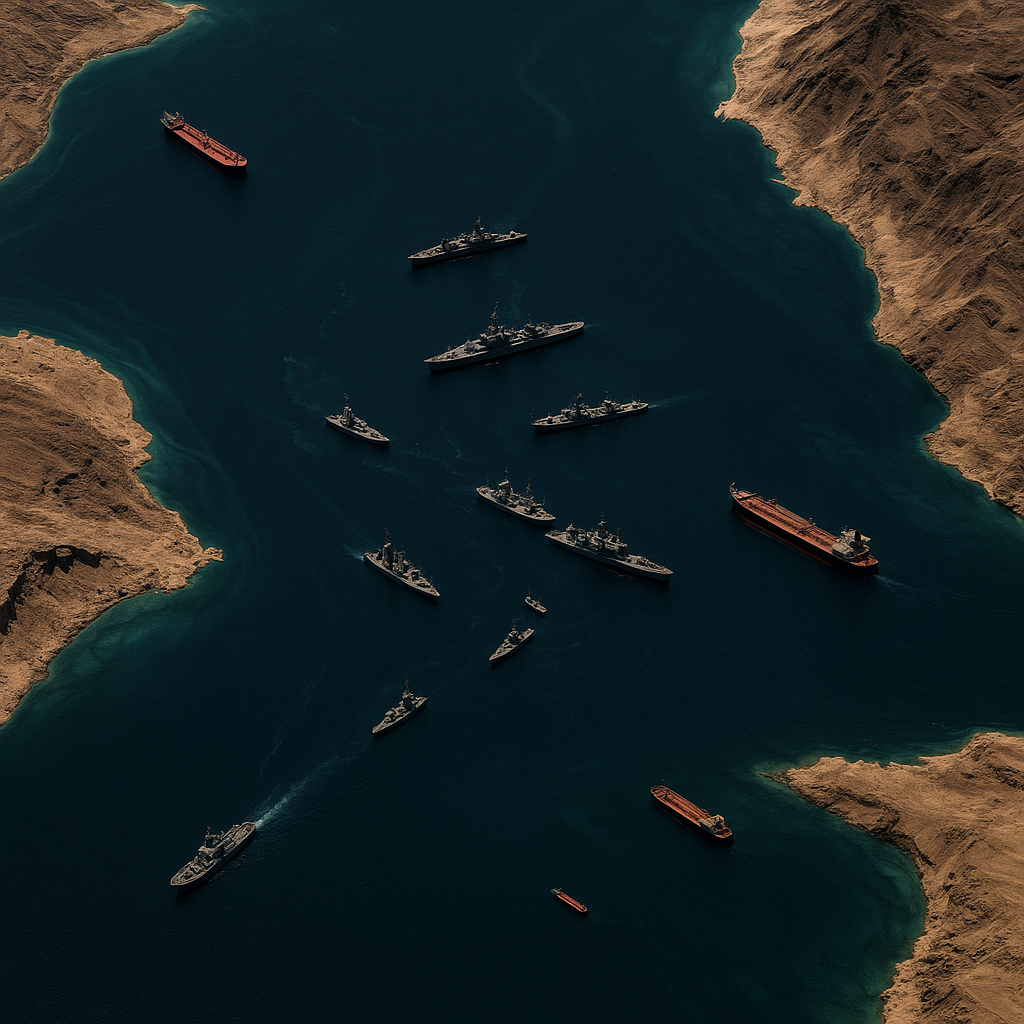
The Strait of Hormuz—an essential choke point for global energy supplies—has once again come under the international spotlight as a recently surfaced satellite image raises questions about a potential blockade in the area. With tensions running high amid ongoing military activities in the Middle East, the photo reveals an increased density of naval and commercial vessels near the strategic waterway, igniting debates about its broader geopolitical implications.
The Significance of the Strait of Hormuz
As one of the most critical maritime passageways in the world, the Strait of Hormuz serves as the gateway for nearly a third of all seaborne-traded crude oil. Located between the Persian Gulf and the Gulf of Oman, this 21-mile-wide stretch is essential for global energy trade. A blockade or disruption here could send shockwaves through an already volatile energy market and impact economies far removed from the region.
According to the International Energy Agency (IEA), approximately 17.5 million barrels of oil pass through the strait daily, making it a critical artery for exporters like Saudi Arabia, the UAE, and Iraq. “The Strait of Hormuz is not just a regional linchpin; it’s a global one,” said one energy analyst. The potential for bottlenecks raises questions about energy prices and supply chain resilience.
Amplifying Tensions in an Already Heated Region
While the exact details surrounding the satellite image remain unclear, the timing could not be more precarious. Tensions between Iran, the United States, and its allies have reached a boiling point in recent months. On the 37th day of ongoing U.S.-Israeli military operations in the region, Al Jazeera reported the rescue of a U.S. crew member downed by Iranian forces (April 5, 2026). Iranian-sponsored naval exercises, coupled with the presence of U.S. carrier groups, have only added to the strain.
Twz.com reported on March 20, 2026, the deployment of two U.S. amphibious assault ships toward the region, fueling speculation about American interest in Iran’s Kharg Island—a strategic oil export hub. The photo showing a buildup of marine traffic in the Strait could be interpreted as a response to escalating activities, though the specific motivations remain unknown.
Geopolitical analysts are concerned these developments could spill over into direct economic or military disruptions. “If one side were to impose a blockade, it would have massive global ramifications—not just in shipping but across energy markets,” said a senior policy advisor monitoring the situation.
Balancing Military Defense and Economic Stability
Particularly alarming is how a potential Strait of Hormuz blockade could affect the balance between military strategy and economic stability. Without access to alternative routes like the East-West Saudi Arabian pipeline, many gulf nations remain fully dependent on unimpeded passage through the strait.
The UAE has invested in the Habshan–Fujairah pipeline to bypass the strait, but its capacity is limited. Saudi Arabia, despite its infrastructural advancements, cannot entirely circumvent reliance. As a result, energy producers are keeping a close eye on the political climate in the region. Any interference, intentional or accidental, could push oil prices skyward, like during the oil embargo of the 1970s.
Top oil importers like China, Japan, and India are also stakeholders in this delicate geopolitical balance. Even a short disruption could lead to panic buying or stockpiling, destabilizing markets far beyond the Middle East.
Satellite Evidence and Unanswered Questions
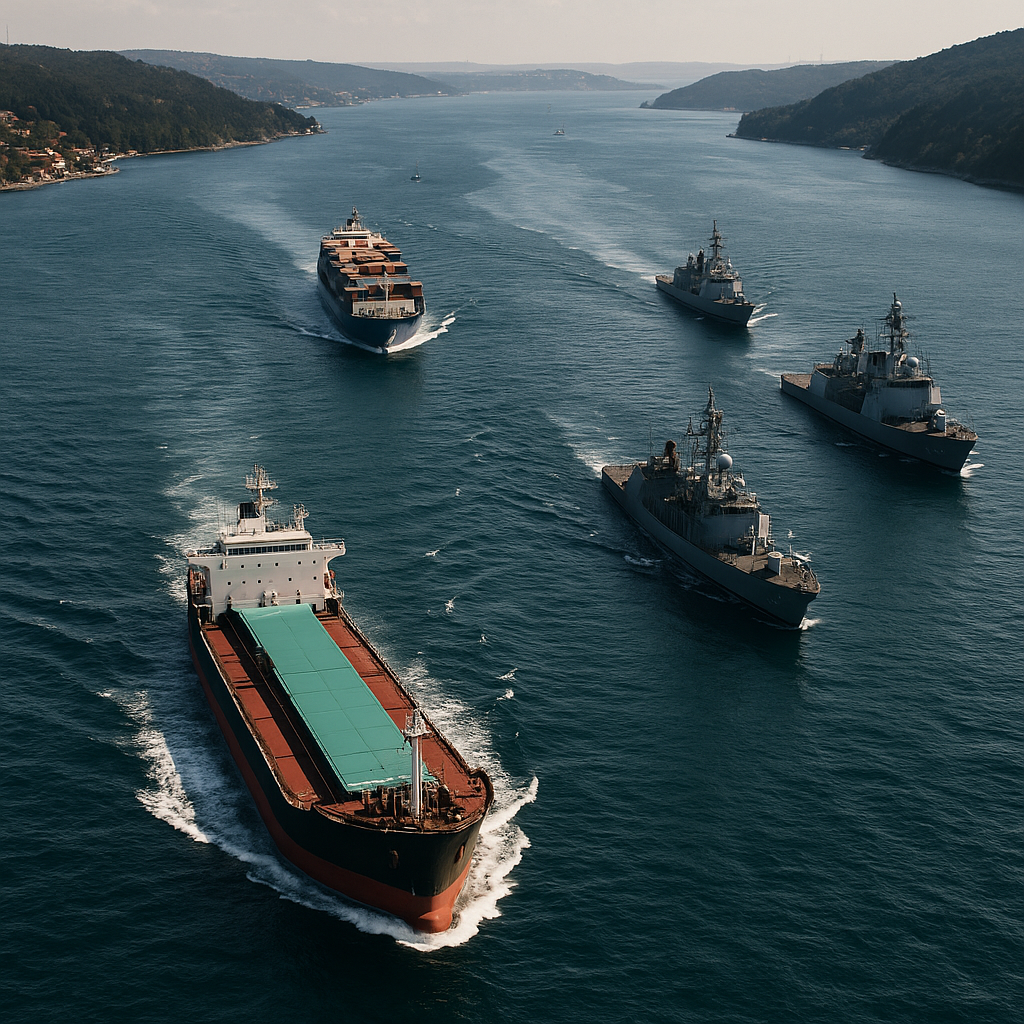
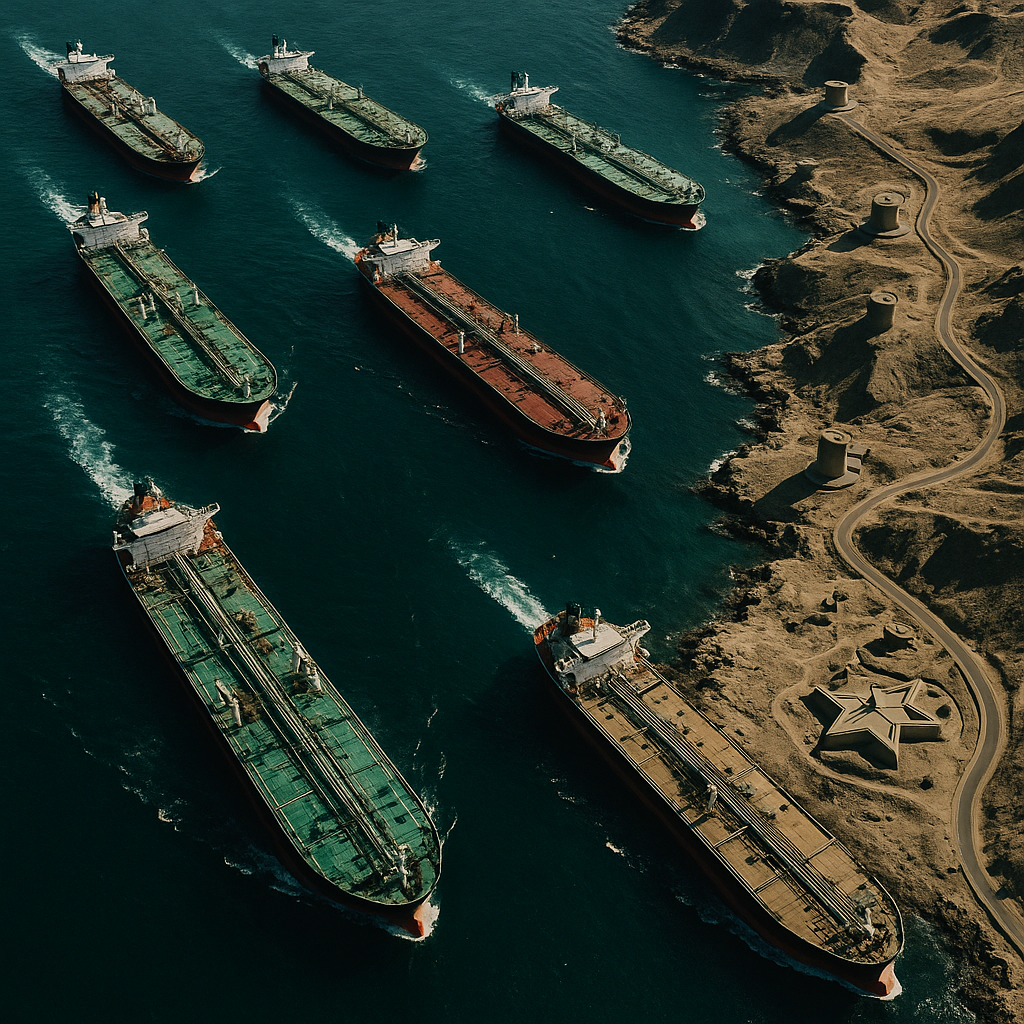
The photo in question, disseminated through public channels, shows a densely packed maritime landscape that includes visible container ships, tankers, and smaller craft. The uptick in military vessels indicates coordinated activity that many are interpreting as both a show of strength and a precautionary measure.
“Satellite imagery has become an indispensable tool for political and military entities. While it provides transparency, it also reveals just how precarious situations near chokepoints like Hormuz remain,” noted an unnamed defense expert. Analysts reviewing the imagery said it could also indicate Iran’s testing of new maritime strategies, a possibility that raises alarms for global shipping operations.
However, some industry observers have urged caution, arguing that such formations may reflect routine traffic management rather than overt military posturing. They point out that the Strait of Hormuz frequently experiences congestion due to its critical importance to global trade.
What Could Happen Next?
The ambiguity surrounding the satellite image leaves room for wide interpretation—and even potential misinformation. As international stakeholders weigh in, the critical question becomes whether this buildup will escalate into something larger or merely serve as another flashpoint in the region’s tense history.
Efforts toward diplomatic de-escalation will be essential in the days ahead. Organizational bodies like the United Nations have called for renewed talks over issues of maritime freedom and the broader security framework in the Middle East. Simultaneously, observer nations are beefing up naval patrols along alternate routes to prepare for “what if” scenarios.
Energy markets, already shaken by instability in Ukraine and global inflationary pressures, will also remain on edge. A potential disruption at Hormuz could compound existing struggles, driving fuel prices higher. “Markets hate uncertainty, and anything that tightens supply lines will absolutely be felt by energy consumers worldwide,” an economist explained.
The Bottom Line
The satellite photo of naval formations in the Strait of Hormuz is more than just a compelling visual—it’s a stark reminder of the region’s role in global geopolitics and energy security. The lack of conclusive details amplifies the importance of vigilant monitoring and measured responses. As the situation unfolds, key stakeholders must navigate the delicate balance between asserting power and maintaining global stability.
For now, the world waits—and watches—closely.