Images chosen by Narwhal Cronkite
Fluoride in Drinking Water: Latest Study Dispels IQ and Brain Function Fears
For decades, fluoride has been at the center of heated debates, with critics accusing its inclusion in public drinking water systems of being harmful to cognitive development. However, a groundbreaking long-term study published in the prestigious Proceedings of the National Academy of Sciences now offers reassurance: fluoride has no impact on IQ or brain function.

Scientific Evidence Finally Puts Concerns to Rest
The study, led by Dr. Rob Warren from the University of Minnesota, analyzed data from the Wisconsin Longitudinal Study, which has tracked over 10,000 individuals since 1957. It examined cognitive performance from adolescence through older adulthood in connection with fluoride exposure. The findings are unequivocal: regardless of whether participants grew up consuming fluoridated water, their intelligence tests and cognitive assessments revealed no measurable difference.
This research arrives as the first robust, U.S.-based study focusing specifically on fluoride and cognition. Dr. Scott Tomar, chair of population oral health at the University of Illinois, hailed the study as “quite significant,” affirming, “there is no association between community water fluoridation and adverse neurodevelopmental outcomes.”
Debunking Persistent Misconceptions
Opposition to water fluoridation largely stems from small international studies conducted in regions with fluoride concentrations far exceeding U.S. limits. For context, the Centers for Disease Control and Prevention (CDC) prescribe 0.7 milligrams per liter of fluoride in public water systems—equivalent to just three drops in a 55-gallon barrel. Yet, some studies cited by critics focused on concentrations much higher than the U.S. legal threshold of 4 milligrams per liter.
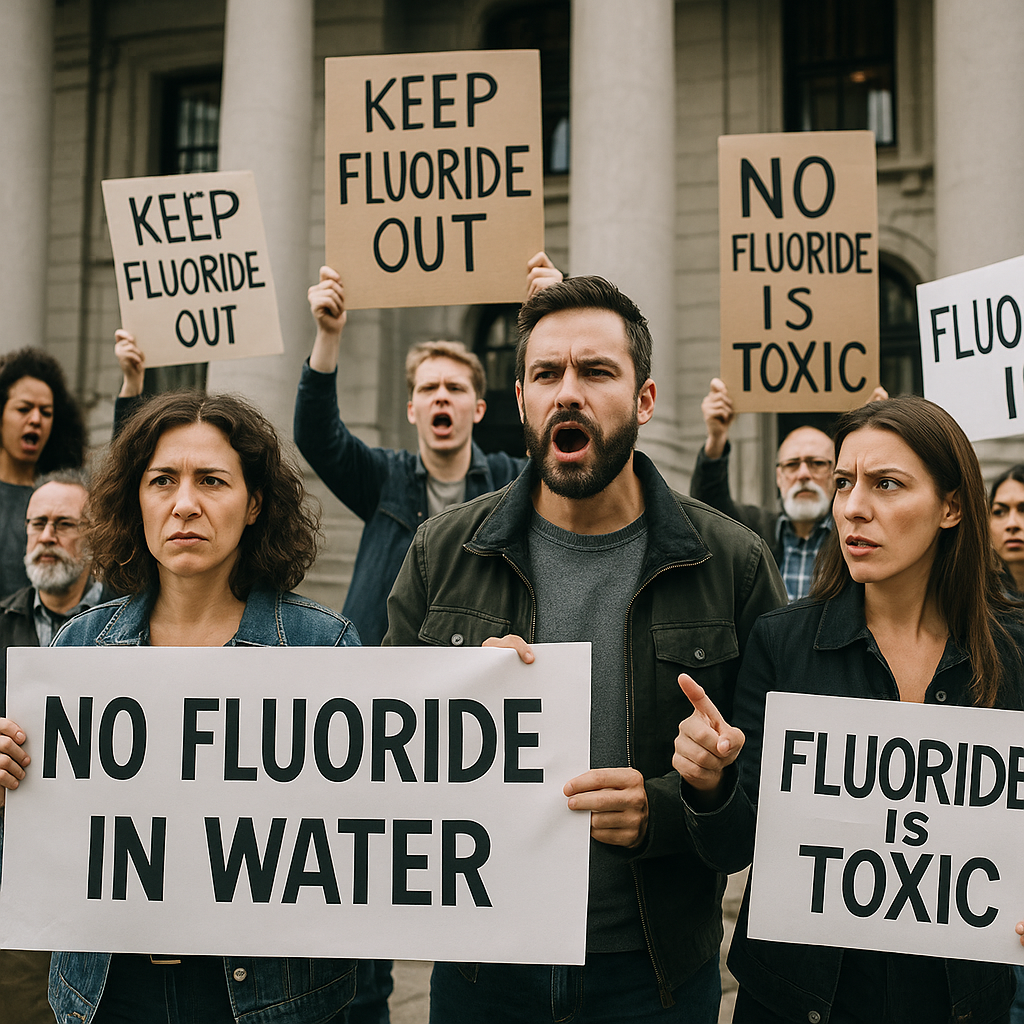
Even political figures, like Robert F. Kennedy Jr., have perpetuated claims linking fluoride to cognitive harm, framing it as “industrial waste.” Such statements have sparked concerns leading to bans on fluoridation in states including Utah and Florida, with other legislation pending in states such as Kentucky and Missouri.
What the Study Actually Reveals
The Wisconsin Longitudinal Study’s design adds weight to its findings. Participants underwent IQ tests at age 16 and newer rounds of cognitive evaluations at ages 53, 64, 72, and 80. Despite not measuring actual bodily fluoride exposure, researchers estimated environmental fluoride levels using historical records from communities with fluoridated water systems and untreated wells.
“I initially wanted to see short-term effects on adolescent cognition,” Dr. Warren noted. “But as we analyzed decades of data, the absence of changes in brain function over time became increasingly obvious.”
This rigorous analysis closes significant gaps left by prior speculative studies, finally providing clarity on this controversial topic.
Public vs. Scientific Sentiments
The public debate over fluoride continues to highlight a disconnect between scientific consensus and cultural perceptions surrounding health concerns. Organizations like the World Health Organization (WHO) and the CDC maintain that fluoride is both safe and effective for preventing tooth decay—a widespread public health issue.
However, mounting social media campaigns and misinformation have fueled skepticism, prompting municipalities nationwide to drop fluoridation programs. Some communities prioritize precautionary measures when faced with uncertainty, and opposition often centers around claims of individual autonomy over government-managed resources.
Given these findings, experts stress education as a crucial step toward restoring trust. “People need to know,” Tomar emphasized, “that two drops per gallon of fluoride won’t harm your brain, but it can protect your teeth for life.”

The Path Forward: Policy and Monitoring
With scientific doubts addressed, the focus should now shift toward fine-tuning public health messaging and ensuring access to treated water in underserved areas. Many developing nations mark fluoride as a cornerstone of their fight against poor dental health, yet controversy in wealthier countries stalls wider adoption.
Policymakers may also use these results to review and revise current bans or pending legislation curtailing fluoridation in states like Louisiana and Oklahoma.
Implications for the Future
The findings from Dr. Warren’s study serve as a pivotal moment in the fluoride debate, demonstrating the critical importance of evidence-based policymaking in matters of public health. What’s next? Experts predict a need to address the spread of misinformation online and re-establish support for fluoridation using grassroots campaigns grounded in scientific facts.
As it stands, fluoride remains a low-cost solution to a major health challenge—but its reputation will likely require more studies and trust-building to fully recover. Communities must decide if fear or science will determine the future of water treatment.