Images chosen by Narwhal Cronkite
Caitlyn Jenner’s Passport Controversy: Analyzing the Fallout of Politics and Identity
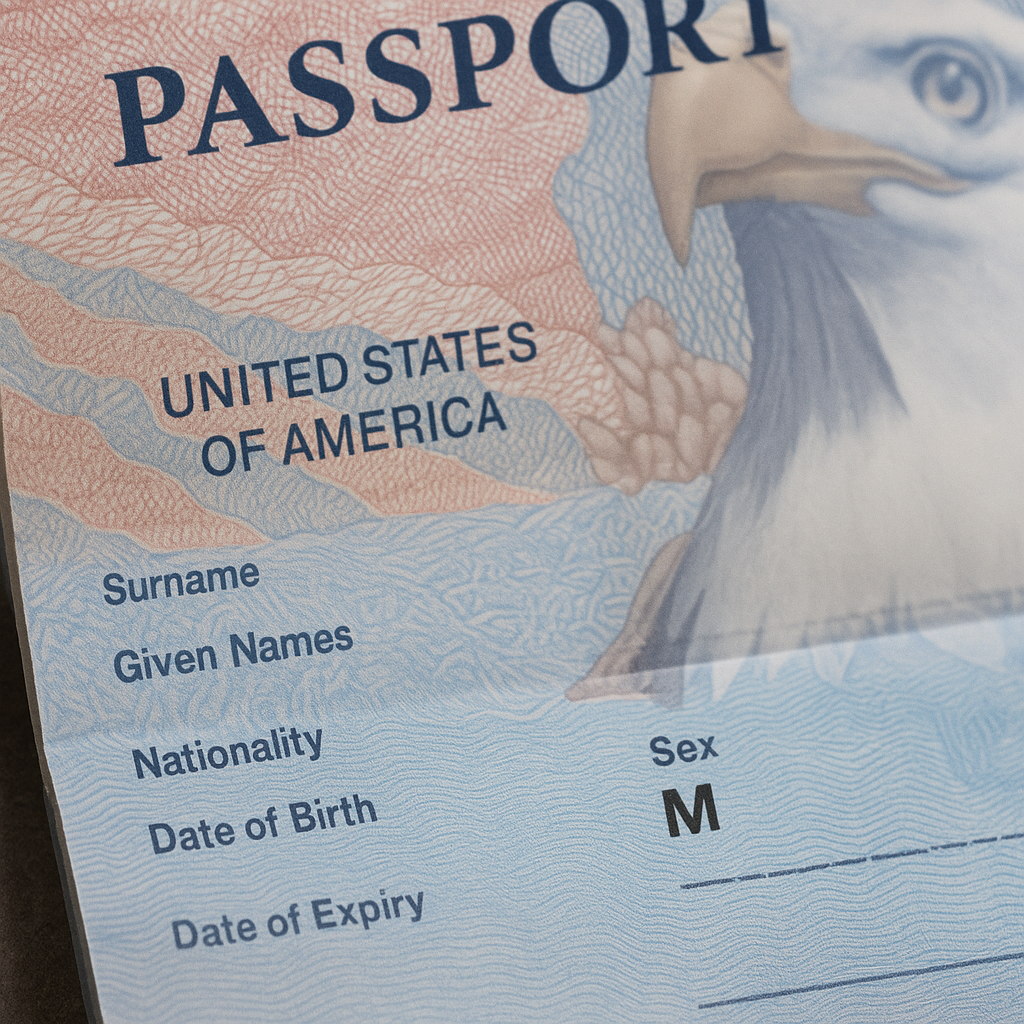
The intersection of identity and politics has never been more pronounced, with public figures navigating personal beliefs and political allegiance under intense scrutiny. Caitlyn Jenner, the gold medal-winning Olympic athlete turned reality TV personality and transgender advocate, finds herself amid controversy again. This time, she has revealed that her passport now lists her as “male,” due, she says, to executive orders from Donald Trump’s administration. Despite the personal implications of this change, Jenner remains a vocal supporter of Trump’s reelection bid. The story sheds light on the struggle between political loyalty and personal values in a polarized era.

Identity Politics: A Complex Terrain
For years, Caitlyn Jenner has been a polarizing figure within the LGBTQ+ community. Since coming out as transgender in 2015, she has often advocated for societal acceptance while aligning politically with conservative ideologies, a positioning that some consider contradictory. Her latest disclosure about her passport underscores these tensions.
Jenner described the complications arising from her passport’s reclassification during an interview on Tomi Lahren’s Fox Nation podcast. She claimed new measures enacted under former President Trump’s administration erased legal gender designations previously afforded to transgender individuals. “This has significantly impacted my ability to travel internationally,” Jenner said. “But I still stand behind President Trump, because he’s the man America needs.”
This revelation has reignited debates about whether Jenner’s political actions align with her identity as a trans woman. Critics argue her continued support for policies and figures perceived as anti-LGBTQ+ raises questions about her advocacy for the very community she represents.
The Policy Shift: A Look at Trump’s Executive Orders
To better understand Jenner’s situation, it’s worth examining the policy decisions she attributes to this change. During his presidency, Trump enacted executive orders rolling back protections for transgender Americans in several areas, including healthcare, military service, and identification documents. These policies were widely criticized by LGBTQ+ rights organizations for undermining transgender individuals’ legal recognition and human rights.
While no specific order that directly invalidates passport gender markers has been identified, industry observers speculate that changes to administrative processes may have added hurdles for transgender people seeking to amend federally issued IDs. “The rollback of protections left many in limbo when dealing with governmental agencies,” noted Meredith Jones, a legal analyst specializing in civil rights, in an interview with the Associated Press.
Jenner’s claims also touch on broader cultural questions: Should individuals prioritize personal identity over political ideology, or vice versa? For Jenner, the choice to support Trump despite facing personal disadvantages presents a paradox that encapsulates the complexities of identity politics.
Reactions from the LGBTQ+ Community and Public Figures
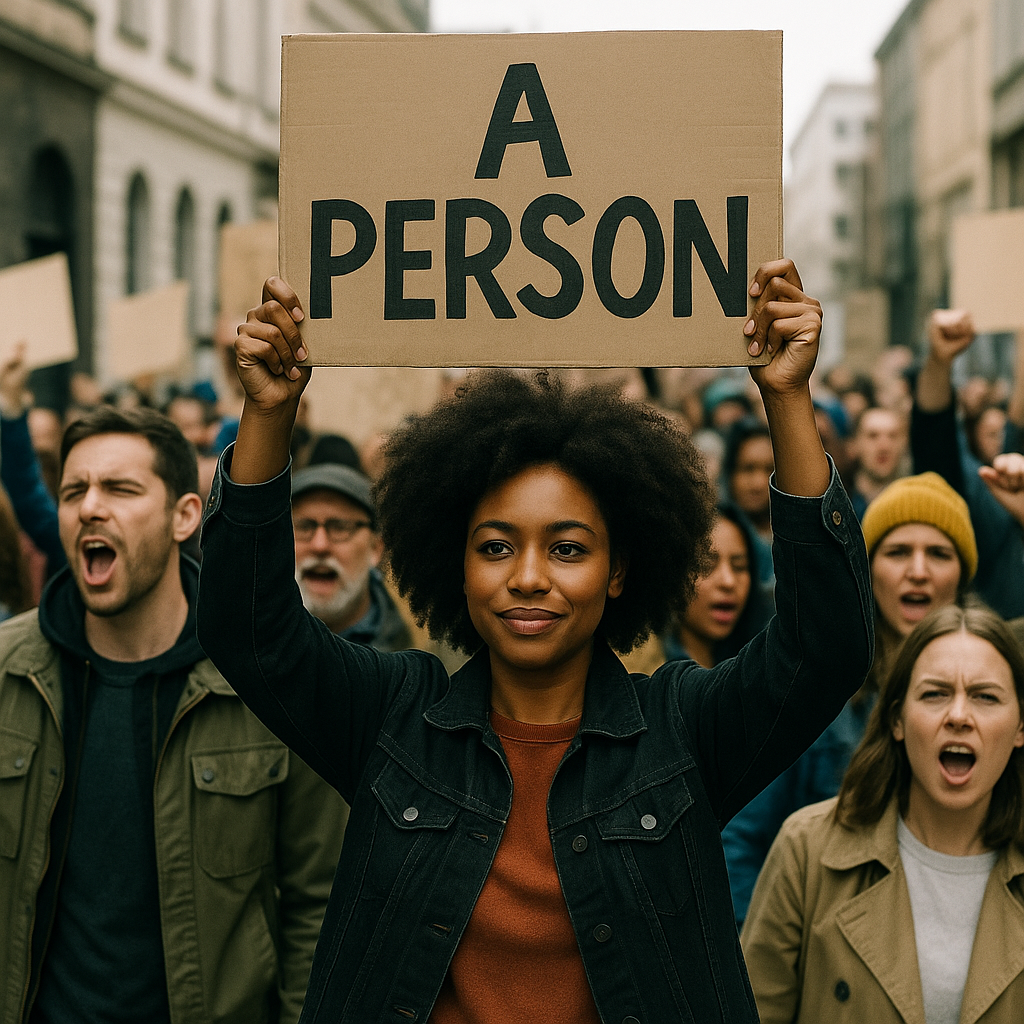
Jenner’s relationship with the LGBTQ+ community has been contentious. While she has brought visibility to transgender issues through her platform, many activists argue that her conservative political stance complicates these efforts. “It’s troubling when high-profile individuals align themselves with agendas that openly marginalize the LGBTQ+ population,” said Oscar Martinez, an LGBTQ+ advocate, in an op-ed for The New York Times. “It sends mixed messages to those looking up to them.”
On social media, reactions to Jenner’s passport claim have ranged from sympathetic to critical. Some users have expressed empathy for the challenges she faces, while others criticized her unwavering support for Trump despite his administration’s track record on LGBTQ+ rights. “Actions have consequences,” noted one tech analyst on Twitter, echoing a broader sentiment among Jenner’s detractors.
For public figures like Jenner, whose every word and action are dissected, the balancing act between personal experiences and political opinions is fraught with challenges. The fallout from her passport’s gender designation is unlikely to dissipate soon, particularly as the 2024 elections draw closer.
The Bigger Picture: Identity in Political Discourse
Jenner’s story highlights a broader debate about the role of identity in modern politics. For some, political allegiance is inseparable from personal values, making such contradictions seem implausible. For others, pragmatic concerns take precedence, allowing room for nuanced or seemingly contradictory positions.
Her case also underscores the importance of examining policies critically. Analysts argue that robust advocacy for LGBTQ+ rights requires not just visibility but also consistent support for legislative measures that protect vulnerable communities. Jenner’s decision to align with a political figure whose administration eroded protections for transgender individuals invites deeper reflection on whether visibility alone is enough to drive systemic change.
What Lies Ahead
As Jenner continues to vocalize her support for Donald Trump while navigating the personal consequences of his policies, many will watch closely to see how this ongoing tension unfolds. Her influence as a public figure may further polarize debates within the LGBTQ+ community and beyond.
For the broader public, this controversy serves as a reminder of the delicate interplay between identity, policy, and political allegiance. As the U.S. moves toward another highly contested election season, questions about representation, advocacy, and personal values will likely come to the forefront.
Going forward, renewed attention on federal policies affecting transgender Americans will be critical, regardless of political affiliation. With activists and policymakers on all sides pushing for their respective agendas, the challenges and triumphs of people like Jenner will remain central to the larger cultural conversation.