Images chosen by Narwhal Cronkite
The Whole World Has Become a Casino
In an age where financial markets resemble Vegas roulette tables and geopolitical maneuvers are fodder for gambling platforms, it seems like the entire world has transformed into a high-stakes casino. Betting—once relegated to sports and poker tables—is now permeating areas once considered sacrosanct, from national security to cinema. But what does this mean for society, and where are we heading?
The Marrying of Risk and Entertainment
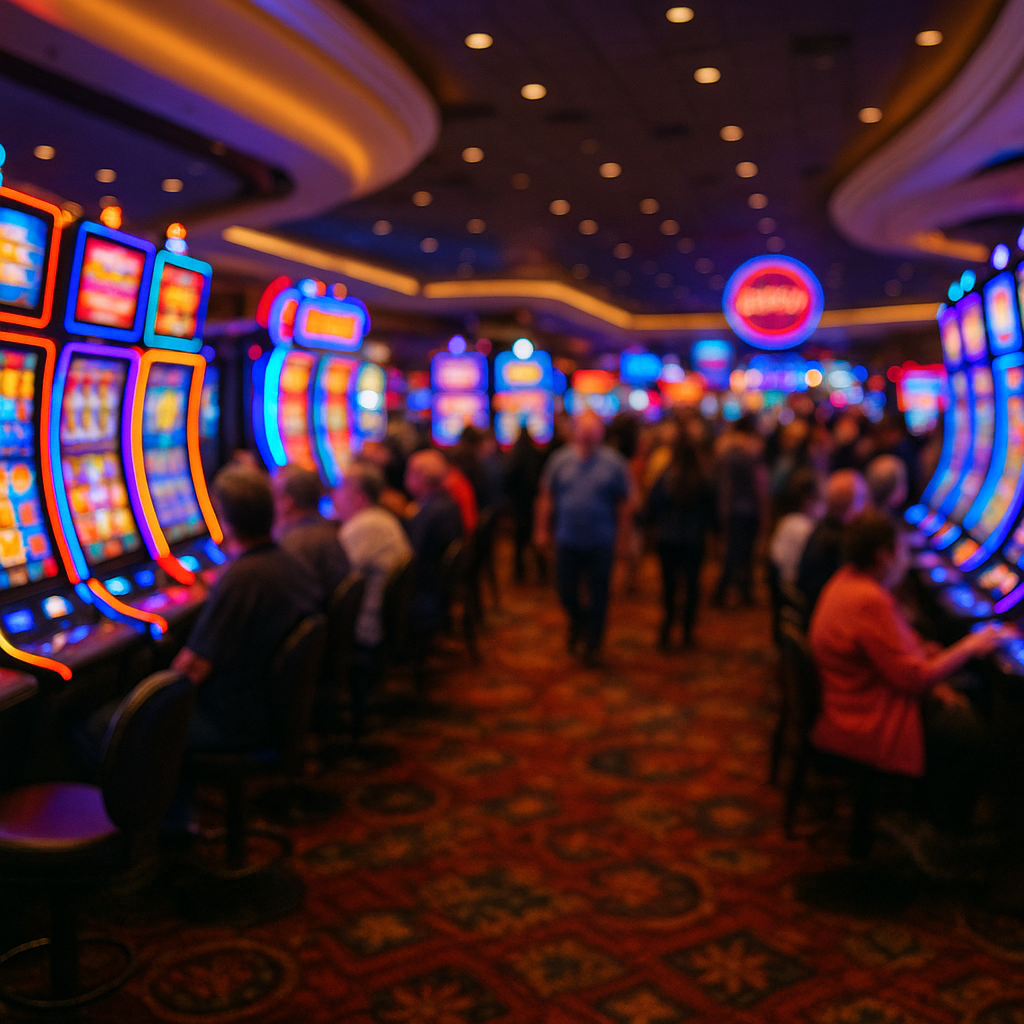
When the world’s attention turns to cinema, even that arena is not immune from gambling-like tendencies. The release of the “Super Mario Galaxy Movie,” as reviewed by Kotaku, demonstrates the industry’s penchant for profiting from nostalgia. According to the review, the sequel was “a sugary barrage of references and not much else,” mirroring slot machines that lure players with flashing lights and the comforting pull of familiarity. In many ways, the entertainment industry thrives on a gamble: Does catering to fan service yield higher box office returns than taking creative risks?
“The Super Mario Galaxy Movie” serves as an apt cultural metaphor for this era. Industry observers note how media conglomerates bet on formulas that are safe and predictable—essentially turning creative innovation into wagering on the audiences’ collective desire for something repetitive but immediately gratifying.

Prediction Markets Enter the Geopolitical Realm
Perhaps more unsettling is the rise of prediction markets intertwined with national security. Recently, ABC News and Jezebel reported on a U.S. special forces soldier allegedly using classified information to place high-stakes bets on the capture of Nicolas Maduro, the Venezuelan leader. This shocking case isn’t a mere anomaly; it represents a growing trend in which sensitive geopolitical events are treated as speculative assets.
Prediction markets, such as Polymarket and Kalshi, allow users to bet on real-world events ranging from elections to military actions. While proponents argue that these platforms consolidate wisdom by aggregating public opinion, critics warn of troubling moral hazards. “Profiting from destabilizing events or war erodes public trust,” an analyst told Jezebel. Moreover, the presence of high-profile figures like Donald Trump Jr., who allegedly flirted with launching private prediction platforms, adds further complication to these markets’ legitimacy.
As RT and ABC News highlighted, those with insider knowledge—whether soldiers, politicians, or corporate leaders—may exploit these platforms unlawfully. Experts fear that even the hint of misuse could lead to widespread disillusionment with governance institutions, turning democracies into speculative playgrounds.
From Finance to Everyday Speculation
Global financial markets have also taken on the character of gambling halls, an observation that no financial analyst could ignore. The rise of high-frequency trading and retail investing through platforms like Robinhood has democratized market access, attracting millions of novice participants. Yet, as critics point out, these platforms often entice users with gamified interfaces and micro-investment mechanics that blur the lines between prudent investing and reckless betting.
Take the cryptocurrency boom, for instance. Crypto-assets have drawn comparisons to penny stocks at best and Ponzi schemes at worst, with their values fluctuating wildly based on social media hype and celebrity endorsements. “Crypto’s volatility resembles the high-risk tables in Las Vegas,” a market expert told us. “Instead of dice, participants bet on token prices hoping for windfalls, often without understanding the underlying technology.” The result? A generation of speculative thrill-seekers riding the crests and crashes of digital assets.
The Ethical Quandary of Turning Everything Into a Bet
The ethical implications of treating reality like a casino extend far beyond economics or politics—they strike at the heart of societal values. Betting on outcomes potentially creates a moral paradox: does a person wish for the “bet” to succeed, even at the expense of global or personal welfare?
Could a soldier betting on a coup subconsciously wish it to succeed? Could a Hollywood executive choosing formulaic content over innovation be inadvertently narrowing cultural horizons in the chase for predictable profits? These are the uncomfortable questions critics are beginning to ask as businesses and individuals traverse an ethical gray zone.
Gambling may indeed foster creativity, but it also has stakes—human stakes. When people fail to understand the true cost of high-risk bets and the moral responsibility they entail, society inches toward a chaotic, zero-sum game where only winners matter.
What’s Next? Lessons From Living in a Casino World
As we venture further into this casino-like global status quo, awareness and regulation will be key to balancing risk-taking with responsible governance. Policymakers are already tightening regulations on prediction markets and financial speculation, but enforcement remains an uphill battle in today’s interconnected world.
On another front, media and entertainment industries might re-evaluate their reliance on nostalgia-driven cash grabs. As consumers fatigue from formulaic content, innovation could become a safer long-term bet.
Ultimately, the question isn’t whether the world can avoid risk—after all, risk drives innovation and progress—but rather how societies manage the unavoidable tensions between wagering and responsibility. For now, analysts agree that maintaining ethical boundaries and holding abusive actors accountable are essential steps to ensure that the world doesn’t spin out of control in its endless roll of the dice.
For viewers, investors, and consumers alike, one thing is clear: In this casino-like world, the house doesn’t always have to win, but it always does when people stop playing with purpose.