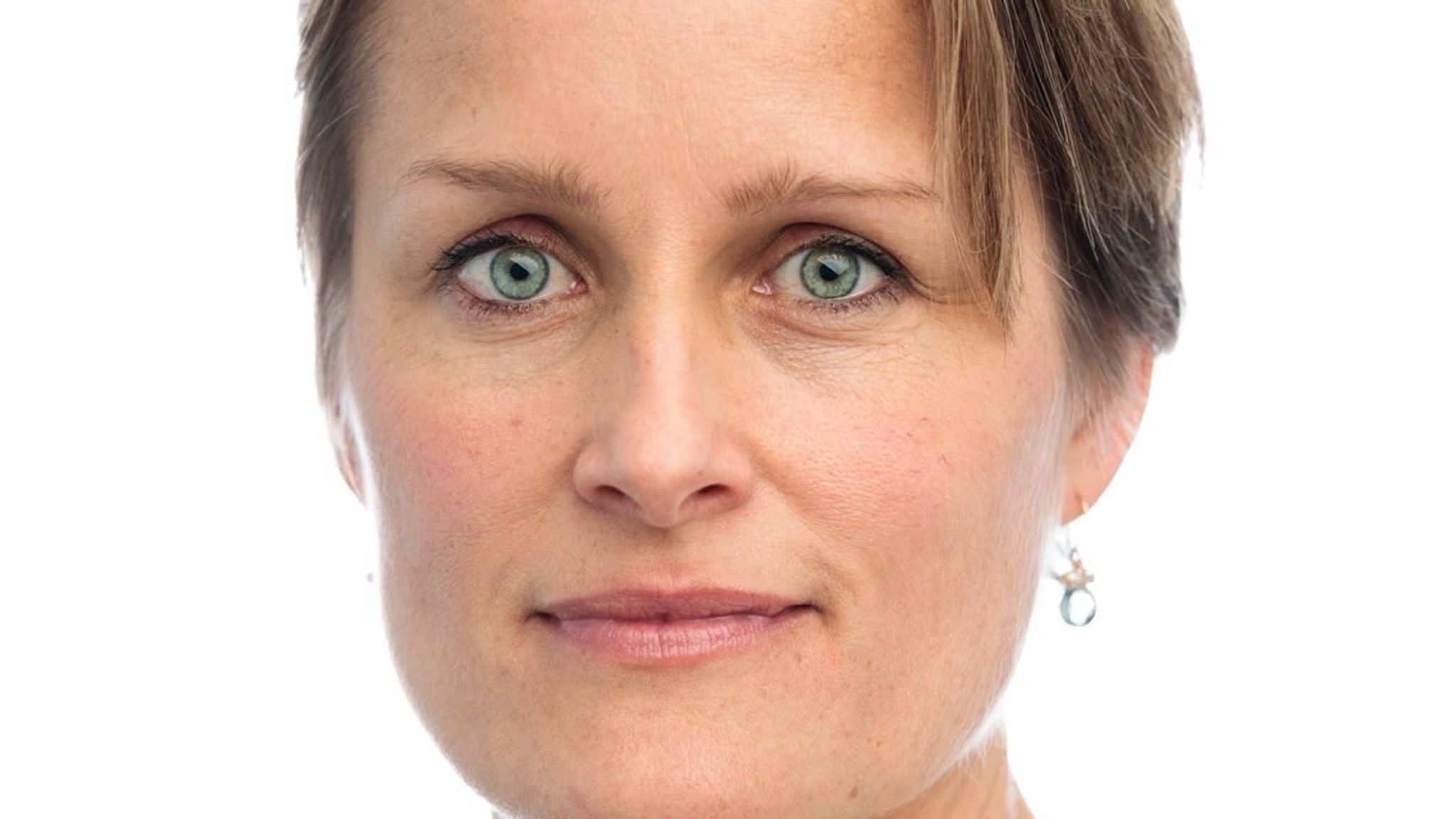
LONDON — The new head of Britain’s MI6 spy agency will use her first public speech to warn that Russian President Vladimir Putin’s determination to export chaos is rewiring the rules of conflict and creating new security challenges for the U.K. and its allies.
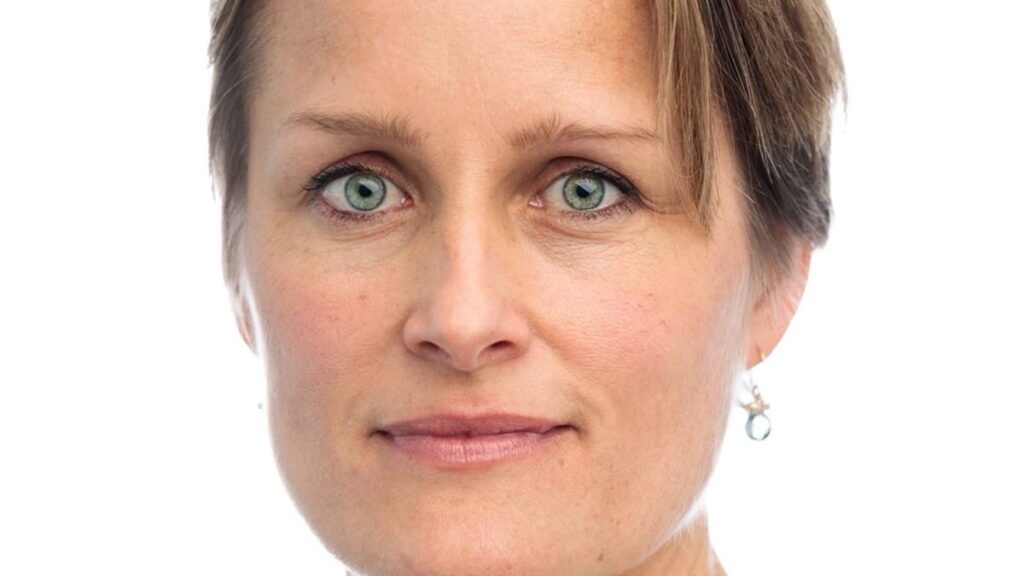
Blaise Metreweli, who became chief of the Secret Intelligence Service at the end of September, is set to argue that Britain faces increasingly unpredictable and interconnected threats, with “aggressive, expansionist” Russia at the center.
“The export of chaos is a feature, not a bug in the Russian approach to international engagement, and we should be ready for this to continue until Putin is forced to change his calculus,” she plans to say, according to advance extracts released by the Foreign Office.
Her remarks place the Blaise Metreweli Russia threat assessment firmly in the context of hybrid warfare — a mix of cyberattacks, sabotage, disinformation and covert operations — that Western officials say is now a permanent part of Moscow’s playbook.
A tech-savvy spy chief who wants coders as well as case officers
Metreweli, known by the traditional codename “C,” is the only MI6 officer whose identity is made public. Before taking the top job, she served as director of technology and innovation — effectively the real-world equivalent of the fictional gadget-master Q from the James Bond films.
Drawing on that background, she is expected to tell her audience that technological fluency and classic human intelligence must go hand in hand if MI6 is to keep pace with hostile states and non-state actors.
She will say that MI6 officers “must be as comfortable with lines of code as we are with human sources, as fluent in Python as we are in multiple languages,” signalling a push to embed coding, data science and AI literacy into the core of Britain’s foreign intelligence work.
Metreweli is due to frame this as part of a broader shift in which the “front line” of national security is no longer confined to distant battlefields, but runs through critical infrastructure, social media feeds, energy networks and the digital tools ordinary citizens use every day.
Hybrid threats from Russia, Iran and China
Her speech is the latest in a series of warnings from Western defense and security leaders about the rising threat posed by states such as Russia, Iran and China. Officials say these governments increasingly rely on cyber tools, espionage, economic coercion and information operations to exert pressure and undermine rivals without triggering open war.
Last week, the U.K. government announced new sanctions on several Russian media outlets, accusing them of conducting “information warfare,” and also targeted two Chinese technology firms for what London described as “vast and indiscriminate cyber-activities.”
Metreweli is expected to argue that these activities form part of a single, evolving threat landscape, where influence campaigns, hacking operations and classical spycraft are tightly intertwined. For MI6, that means recruiting and retaining people who can move fluently between human sources on the ground and complex technical systems in the digital realm.
Breaking the glass ceiling across Britain’s spy agencies
Metreweli is the first woman to lead MI6 since the service was created in 1909, marking a symbolic milestone in the history of Britain’s intelligence establishment.
The country’s two other main agencies have already seen women in their top jobs. MI5, the domestic security service, was led by Stella Rimington from 1992 to 1996 and by Eliza Manningham-Buller between 2002 and 2007. Anne Keast-Butler took over as director of GCHQ, the electronic and cyberintelligence agency, in 2023.
Together, their appointments reflect a slow but steady shift in the upper ranks of British national security, even as the threats facing those agencies have grown more complex. Metreweli is expected to acknowledge that legacy while arguing that diversity of background and expertise is becoming a practical necessity in an era defined by rapid technological change.
Ukraine war, NATO and a more dangerous world
Metreweli’s warning comes during an intense period of diplomacy aimed at finding a path out of the war sparked by Russia’s full-scale invasion of Ukraine nearly four years ago.
Ukrainian President Volodymyr Zelenskyy met U.S. envoys in Berlin on Sunday and is due to hold talks with the leaders of Germany, France and Britain. Kyiv’s partners are trying to shore up support as Washington presses for a swift acceptance of a U.S.-brokered peace plan.
In a separate speech on Monday, the head of the British armed forces, Air Chief Marshal Richard Knighton, will echo Metreweli’s concerns. He plans to say that Putin’s strategic aim is “to challenge, limit, divide and ultimately destroy NATO.”
“The war in Ukraine shows Putin’s willingness to target neighboring states, including their civilian populations … [and] threatens the whole of NATO, including the U.K.,” Knighton will argue, calling for both a stronger military and more resilient infrastructure at home.
Taken together, the two speeches are intended to underline the U.K. government’s message that the Blaise Metreweli Russia threat assessment is not just about distant conflicts but about the security of Britain and its allies in an increasingly contested world.
Sources:
The Guardian – “‘The frontline is everywhere’: new MI6 head to warn of growing Russian threat”
Financial Times – “Russia is ‘exporting chaos’, new head of Britain’s spy agency MI6 warns”