Iranians were able to place mobile phone calls abroad on Tuesday for the first time since communications were cut during a crackdown on nationwide protests, according to witnesses who reached The Associated Press. The AP bureau in Dubai said it could not call those Iranian numbers back, and witnesses reported that SMS messaging was still down and that internet access appeared limited to government-approved domestic sites.
Witnesses describe a heavy security presence in Tehran
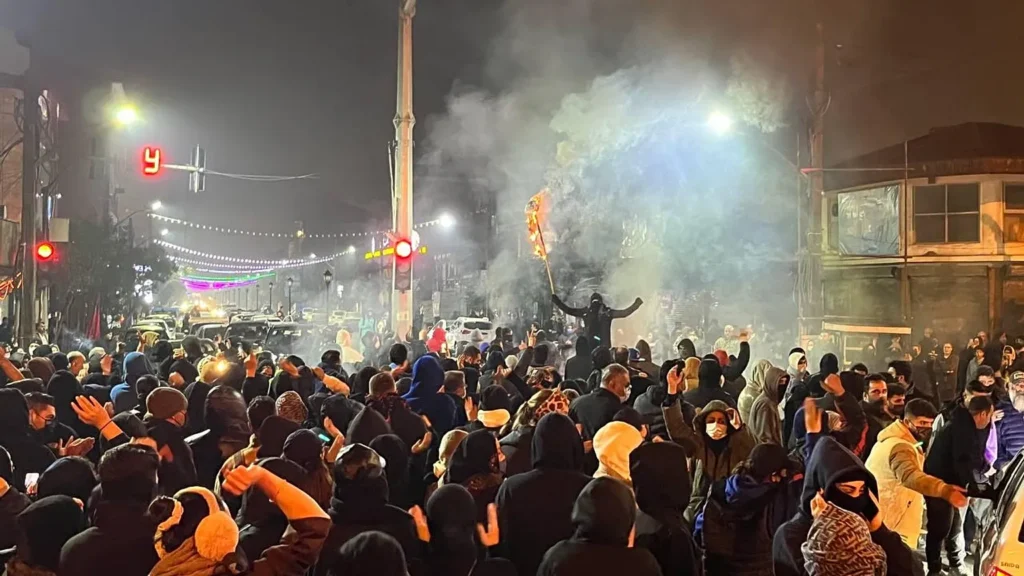
People who spoke to the media described a heavily secured capital after more than four days cut off from the outside world. They said anti-riot police in helmets and body armor were positioned at major intersections with batons, shields, shotguns, and tear gas launchers. Witnesses also reported seeing Revolutionary Guard-linked Basij members and plainclothes security personnel in public spaces.
They said unrest left signs of damage, including burned banks and government offices, smashed ATMs, and transaction problems at banks operating without internet connectivity. Shops were open, but foot traffic was limited, they said.
Missing Oklahoma Boy Found Safe After Dayslong Search
Bazaar reopening order alleged, while raids target satellite equipment
Tehran’s Grand Bazaar, where the protests began on Dec. 28, was expected to reopen on Tuesday. One witness said multiple shopkeepers claimed security forces ordered them to reopen regardless of conditions, though Iranian state media had not acknowledged any such directive.
Witnesses also said authorities appeared to be searching for Starlink terminals, and residents in northern Tehran reported raids on apartment buildings with satellite dishes. While satellite dishes are illegal in Iran, many households have them, and enforcement has eased in recent years, the witnesses said.
Fear of escalation as U.S. and Iran trade warnings
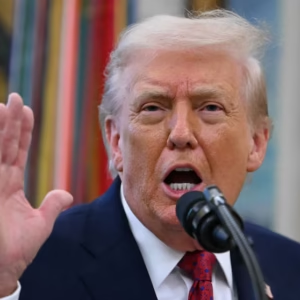
Some residents said concern persists about potential military action by the United States, even as President Donald Trump has said Iran wants to negotiate. A shopkeeper identified only as Mahmoud said customers were discussing Trump’s reaction and whether it could lead to a strike. A taxi driver identified only as Reza said many—especially young people—were talking about continuing the protests.
Iran’s Foreign Minister Abbas Araghchi told Al Jazeera in an interview aired Monday night that he remains in communication with U.S. envoy Steve Witkoff, though he said Washington’s proposals and threats are “incompatible.” White House press secretary Karoline Leavitt said Iran’s public posture differs from private messages received by the administration, adding that Trump remains willing to use military options if he deems it necessary.
Pro-government rally, death penalty threat, and new U.S. tariffs
State media aired footage Monday showing large pro-government demonstrations backing Iran’s theocratic system and Supreme Leader Ayatollah Ali Khamenei, with crowds chanting slogans including “Death to America!” and “Death to Israel!” Iran’s attorney general has warned that protesters will be treated as “enemies of God,” a charge that can carry the death penalty.
Trump announced Monday that countries doing business with Iran will face 25% tariffs “effective immediately,” describing the move as a response to the crackdown and part of his broader approach of using tariffs to pressure governments. Iran’s parliamentary speaker warned Sunday that the U.S. military and Israel would be “legitimate targets” if Washington uses force to protect demonstrators.
Rights group cites rising toll as AP says figures can’t be verified
The U.S.-based Human Rights Activists News Agency said more than 10,700 people have been detained over roughly two weeks of protests and reported a death toll of 646, including 512 protesters and 134 security force members, in figures it said were compiled early Tuesday. The Associated Press said it has been unable to independently verify casualty totals, and Iran’s government has not released an overall death toll.
Sources:
Al Jazeera / Abbas Araghchi interview on continued contact with U.S. envoy Steve Witkoff