Images chosen by Narwhal Cronkite
Netanyahu’s Plan to Phase Out US Military Aid: A Turning Point for Israel?
Israeli Prime Minister Benjamin Netanyahu sent ripples through geopolitics with his recently announced intention to phase out the $3.8 billion in annual military aid Israel receives from the United States. This bold move, disclosed during an interview with CBS’s “60 Minutes,” signals a significant recalibration of Israel’s approach to defense funding and its strategic partnership with the U.S. — but what could this transition mean in the broader context of regional stability and bilateral relations?
The Vision of Maturity: Transitioning From Aid to Partnership
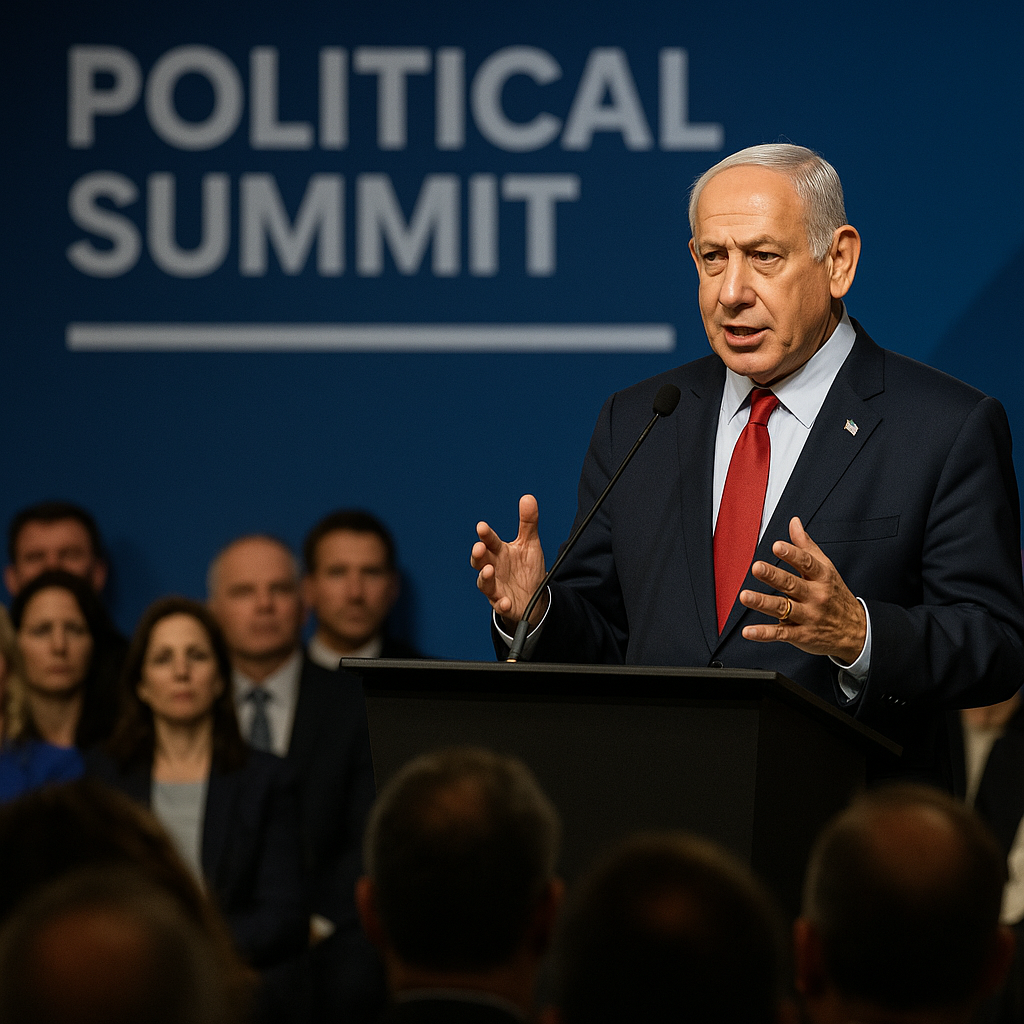
“I want to bring American support for Israel to zero. We have reached maturity,” said Netanyahu, emphasizing his strategy to reposition Israel’s relationship with the United States from a dependency model to one resembling equal partnership. According to Netanyahu, the change would unfold gradually over the next decade, aligning with the expiration of the current 10-year aid package signed under President Barack Obama’s administration.
The scale of U.S. support for Israel, as noted by the U.S. Congressional Research Service, is unparalleled, with cumulative assistance surpassing $174 billion since World War II. While Netanyahu’s statement appears to mark a milestone in asserting Israel’s financial independence, it also opens the door for expanded collaborations in intelligence, defense technology, and missile systems — all areas where the two nations already excel as allies.
In context, some analysts interpret Netanyahu’s comments as pragmatic rather than adversarial. As reported by Bloomberg, he aims to grow joint defense projects, including advanced weaponry and missile systems, rather than sever ties. “I want to propose joint projects for intelligence, for weaponry, for missile defense,” Netanyahu stated, highlighting the potential for deeper cooperation rather than a complete decoupling.
From Financial Backing to Strategic Collaboration
One intriguing aspect of Netanyahu’s announcement lies in its timing. It comes amid a fragile geopolitical landscape in the Middle East. A ceasefire agreement recently brokered between Lebanon and Israel by the U.S. has come under scrutiny, with reports of escalating violence rendering the truce almost symbolic. According to CBC News, this ceasefire has been undermined by repeated incursions, exposing its structural weaknesses.
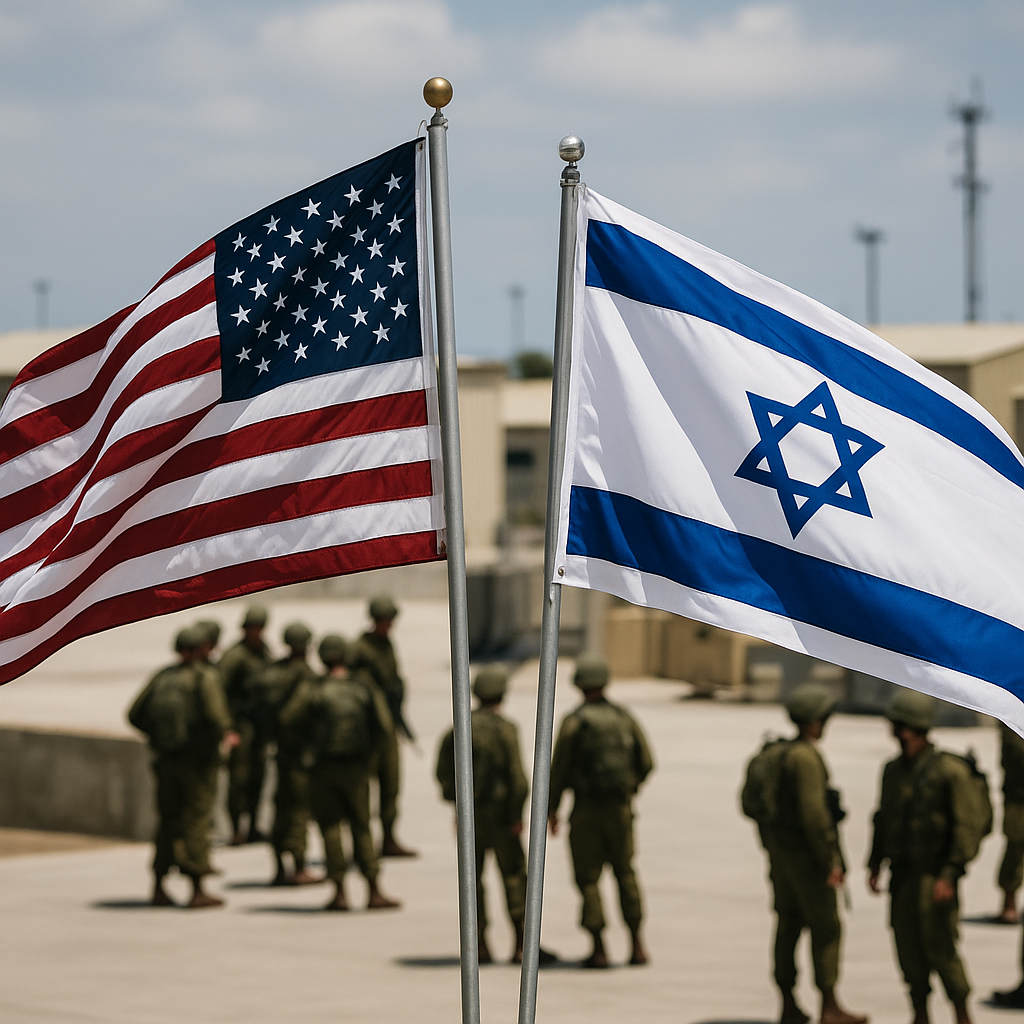
Israel’s shift away from relying on U.S. aid could be viewed as a confident assertion of its autonomy, coinciding with its ongoing efforts to modernize its military capabilities. Just weeks before Netanyahu’s interview, Israel announced plans to procure new squadrons of advanced F-35 and F-15IA fighter aircraft. These acquisitions indicate Israel’s determination to maintain a cutting-edge military, even as dependence on foreign funding diminishes.
Industry observers are divided on the implications of this recalibration. Some see this as Israel’s natural evolution into a fully self-sufficient power that no longer requires outside funding. Others caution that reduced U.S. financial aid could have unintended consequences, such as limits on the leverage needed to influence Israeli foreign policy or regional peace negotiations.
Historical Context: What Has U.S. Military Aid Achieved?
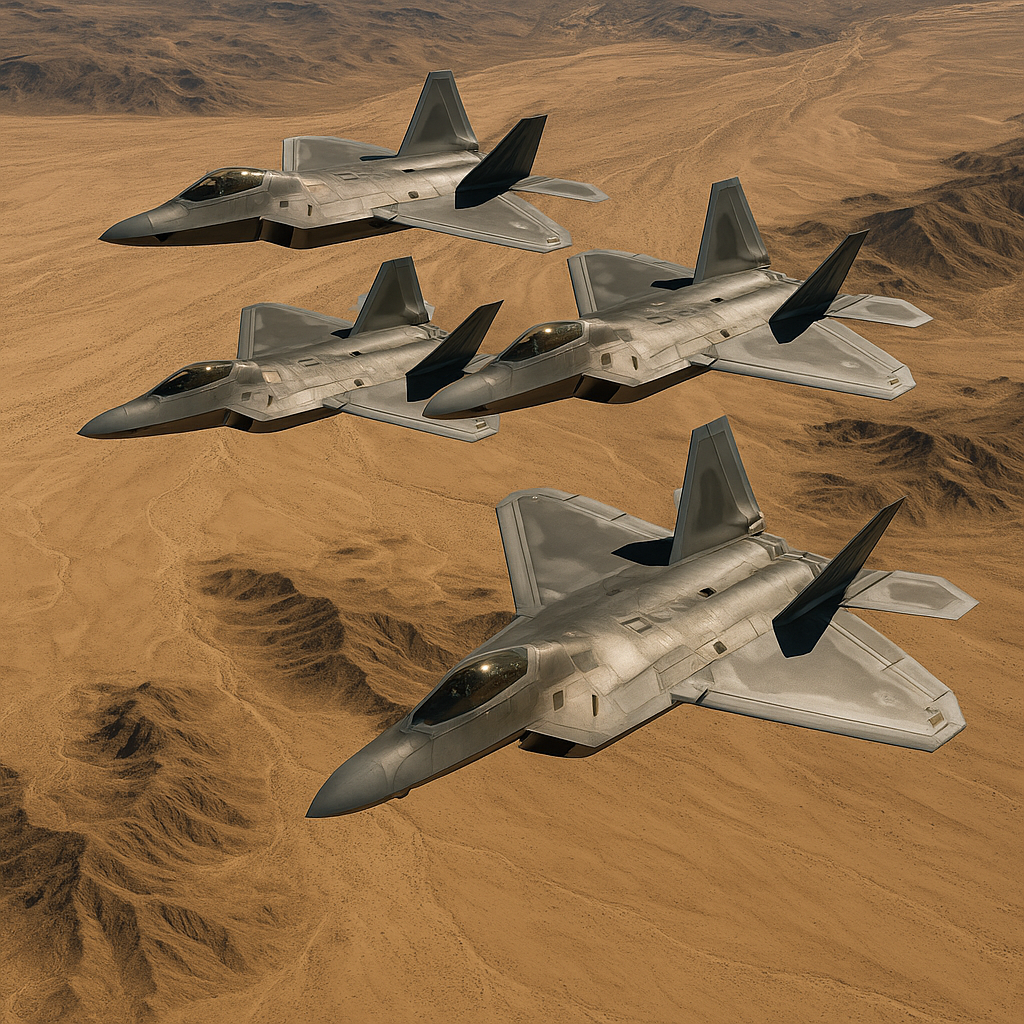
To understand the ramifications of Israel phasing out U.S. military aid, it’s essential to examine what this funding has accomplished over decades. According to the U.S. State Department, the aid has supported Israel’s Iron Dome missile defense system, military training, and procurement of sophisticated weapons systems to counter wider regional threats. Programs like these have been instrumental in ensuring Israel’s military superiority.
From a U.S. perspective, backing Israel has served as a strategic investment in maintaining stability in an unpredictable region. While the aid package is substantial, it has always been mutually beneficial. U.S.-Israel defense projects often involve joint research initiatives that yield technological breakthroughs for American military capabilities.
Yet, as Israel strives for greater autonomy, the equation may shift. Can Israel fund these programs independently? Will the U.S. retain the same degree of influence without the leverage provided by financial assistance? These questions underline why Netanyahu’s declarations warrant close observation.
Regional Implications: A Symbolic or Structural Shift?
The announcement also raises broader geopolitical questions. In recent years, Israel’s regional posture has shifted, with the Abraham Accords normalizing relations with certain Arab nations and creating new economic and defense partnerships. An example of this evolving landscape was reported by the Financial Times in May, where Israel’s advanced laser weapon systems were sold to the UAE to counter Iranian missile threats.
If Israel becomes less dependent on U.S. aid, could it lead to a recalibration of alliance dynamics in the Middle East? Some speculate that Israel’s evolving self-sufficiency will empower it to form new partnerships independent of American approval. On the other hand, it could heighten tensions within longstanding relationships, particularly if future initiatives create risks conflicting with U.S. strategic interests.
Additionally, Israel’s internal politics and ongoing conflicts, such as the tenuous ceasefire with Lebanon, might further complicate matters. According to NPR, these overlapping conflicts are embedded in a complex framework of negotiations involving Iran, Hamas, and Hezbollah. Netanyahu’s decision to phase out U.S. aid could mean that Israel will need to balance progress in military independence with sustained political diplomacy.
What’s Next: Watching the Transition Unfold
Netanyahu’s ambitious plan introduces several variables that global observers will closely monitor over the next decade. Among the immediate questions are whether Israel can fully diversify its defense funding sources and how the U.S. will respond to losing an anchor point to influence Israeli policies. Moreover, how will this shift affect the broader Middle East dynamics, particularly as Israel faces new security challenges?
If successful, Netanyahu’s vision might pave the way for a partnership model that strengthens bilateral cooperation rather than weakening it. However, should the transition stall due to funding gaps or geopolitical friction, it could lead to vulnerabilities in Israel’s defense capabilities or strain in U.S-Israel relations.
Ultimately, as this transition advances, policymakers, military strategists, and global leaders alike will have to adapt quickly to a new phase in Israeli-American ties — one marked by shared innovation but also bold assertions of autonomy.