Images chosen by Narwhal Cronkite
Trump and Xi Summit Brings Taiwan Back Into the Spotlight
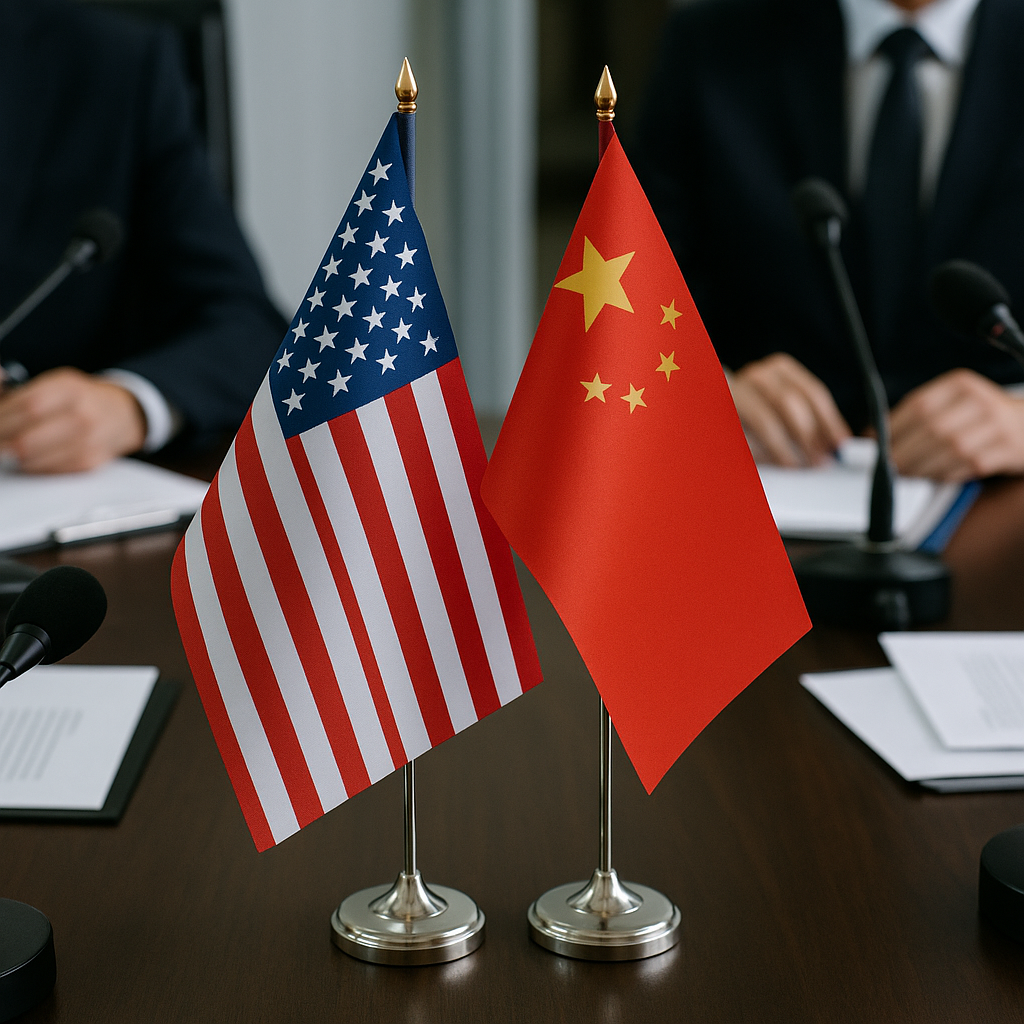
The geopolitical tensions surrounding Taiwan have been thrust into the international spotlight once again, following US President Donald Trump’s meeting with Chinese leader Xi Jinping in Beijing. In remarks made shortly after the summit, Trump warned Taiwan against pursuing formal independence, echoing longstanding US policy while emphasizing the need to avoid escalating regional conflict. These statements come amid rising friction in the Taiwan Strait, driven by Beijing’s increased military maneuvers near the self-governed island and a growing chorus of pro-independence sentiments among some Taiwanese citizens.
The Taiwan Conundrum: Historical Context Matters
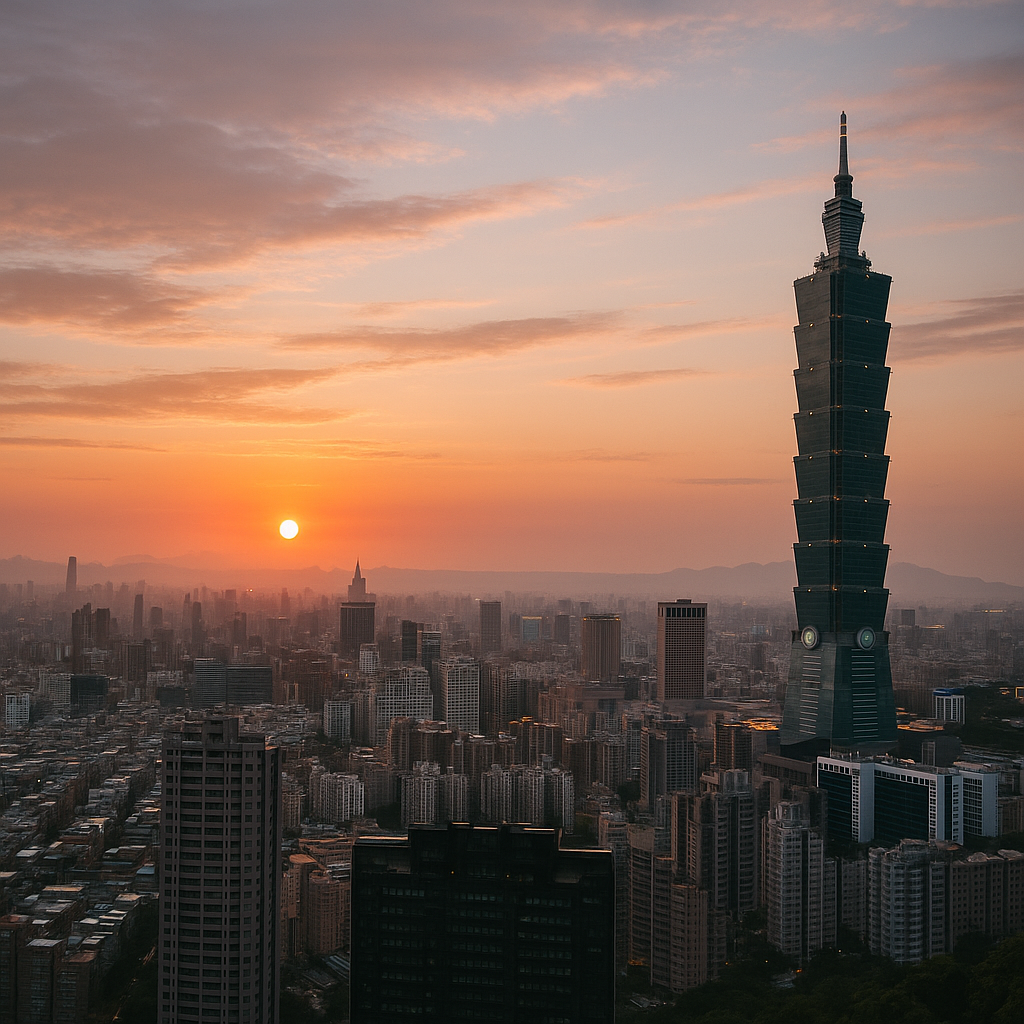
The situation involving Taiwan is steeped in historical complexities. Ever since the Chinese Civil War ended in 1949, Taiwan, officially the Republic of China (ROC), has operated as a self-governing entity. However, China continues to view Taiwan as part of its territory and has hinted at the use of force to achieve reunification if necessary. On the contrary, Taiwan’s leadership, such as its current president Lai Ching-te, has maintained that the nation is effectively independent and does not require a formal declaration to affirm its sovereignty.
Washington walks a delicate line in this chess game. The US adheres to its longstanding “One China Policy,” which recognizes the government in Beijing as China’s official authority while maintaining informal relations and defensive support for Taiwan. This approach aims to balance Sino-US relations while deterring unilateral moves by either side that could destabilize the region.
From Summit to Warning: Trump’s Calculated Comments
During the summit, Xi is reported by Chinese state media as having emphasized the “Taiwan question” as the most critical issue in relations between the two countries. Per Xi’s remarks, the stakes are high, with the potential for conflict should missteps occur in handling the matter. These concerns were outwardly echoed by Trump, who told reporters, “[Xi] feels very strongly about the island and doesn’t want to see a movement for independence.” He added, “You know, we’re supposed to travel 9,500 miles to fight a war. I’m not looking for that. I want them to cool down. I want China to cool down.”
However, analysts suggest that Trump’s language here reflects broader strategic ambiguity about how the US might act if tensions between China and Taiwan boiled over. Notably, the President refrained from confirming whether the US would come to Taiwan’s defense in the event of an open conflict. His rhetoric underscores America’s effort to deter a crisis while avoiding commitments that might antagonize Beijing.
Escalation and Regional Security Concerns
The backdrop to these remarks includes intensifying military activity in the Taiwan Strait. Over the past few years, Beijing has ramped up naval exercises and deployed military aircraft in Taiwanese airspace. The US, too, has increased its own military presence in the Pacific region, including the approval of an $8 billion arms package to Taiwan last year. As reported by The Times of India, these developments have raised fears of an inadvertent spark igniting conflict between the global powers.
Observers have pointed out an active contradiction inherent in the United States’ strategy: while the nation officially opposes Taiwanese independence, its arms sales and ongoing diplomatic outreach to Taiwan make its position appear resolutely anti-China. Experts warn that Beijing could see these moves as provocative, an interpretation that could further destabilize what is already a fragile situation.
The Global Ripple Effect
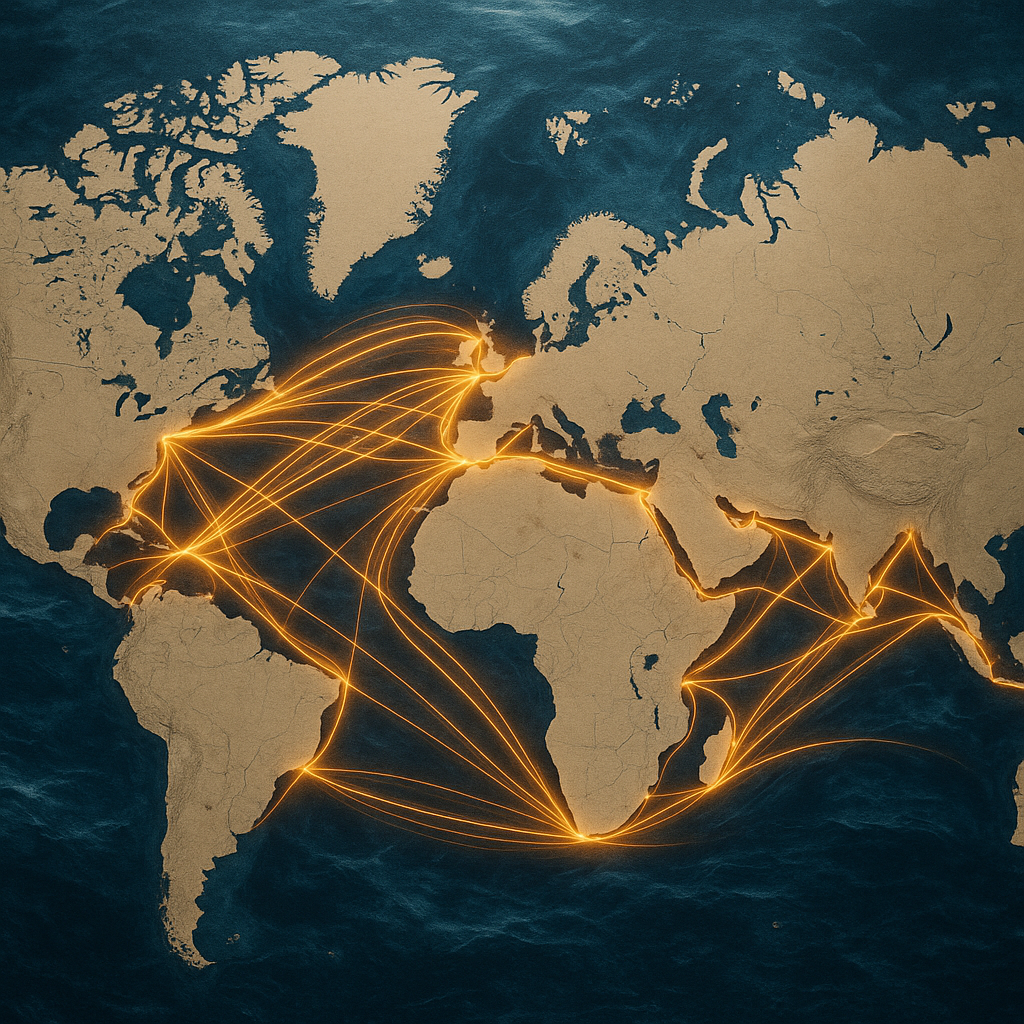
Beyond the East Asia region, the Taiwan issue has significant implications for global trade and diplomacy. Situated off the coast of China, Taiwan lies along one of the major arteries of international shipping, with nearly half of the world’s container traffic passing through the Taiwan Strait annually. Moreover, Taiwan is an indispensable player in the global semiconductor supply chain, manufacturing more than 60% of the world’s advanced microchips. Conflict in the region could disrupt global supply chains, impacting industries ranging from automotive to consumer electronics.
As reported by Yahoo Entertainment, Xi explicitly underscored these risks during the summit, cautioning that “if mishandled, the two nations could collide or even come into conflict.” His stark warning highlights the potential for upheaval that goes far beyond the immediate region, underscoring the role Taiwan plays in the global economy and international relations.
What Lies Ahead?
Trump’s cautious remarks following the summit have provided limited clarity on how the US will proceed. For now, Washington’s official stance remains unchanged, but the possibility of conflict lingers in the background. Analysts are keeping a close eye on Beijing’s next steps, particularly in response to Trump’s comments and the US arms sales to Taiwan.
Meanwhile, Taiwanese President Lai Ching-te continues to assert the island’s de facto independence. With local sentiments heavily favoring the status quo, any dramatic move toward formal independence appears unlikely in the near term—especially amid fears of provoking a military response from China. Nevertheless, observers caution that unilateral maneuvers from Beijing, fueled by domestic political pressures or opportunistic moves, cannot be ruled out in this highly volatile situation.
Implications for Global Security
As tensions rise, the political calculus on both sides becomes increasingly complex. The Biden administration’s potential strategic options include deepened diplomatic engagement with Beijing to reduce pressure or stronger support for Taiwan’s military preparedness. With Trump confirming that he “made no commitment either way” during his discussions with Xi, Washington may aim to maintain its strategic ambiguity as a deterrent measure.
The unpredictable dynamics around Taiwan serve as a reminder of the fragility of peace in the region and the costs of miscalculation. For the global community, the developments between the US, China, and Taiwan will shape not only regional power balances but also the intricate interconnectedness of global markets.
The Taiwan question is one that carries weight far beyond East Asia. As all involved parties tread carefully, the world will be watching to see if stability can be maintained—or if, as Xi cautioned, mismanagement might lead to irreversible consequences.