A group of Utah residents has filed a lawsuit against local government officials, challenging approvals granted for a massive data center project backed by Shark Tank investor Kevin O’Leary, NBC News reported. The suit targets the officials who greenlit the development, arguing the approval process sidestepped critical environmental and land-use protections.
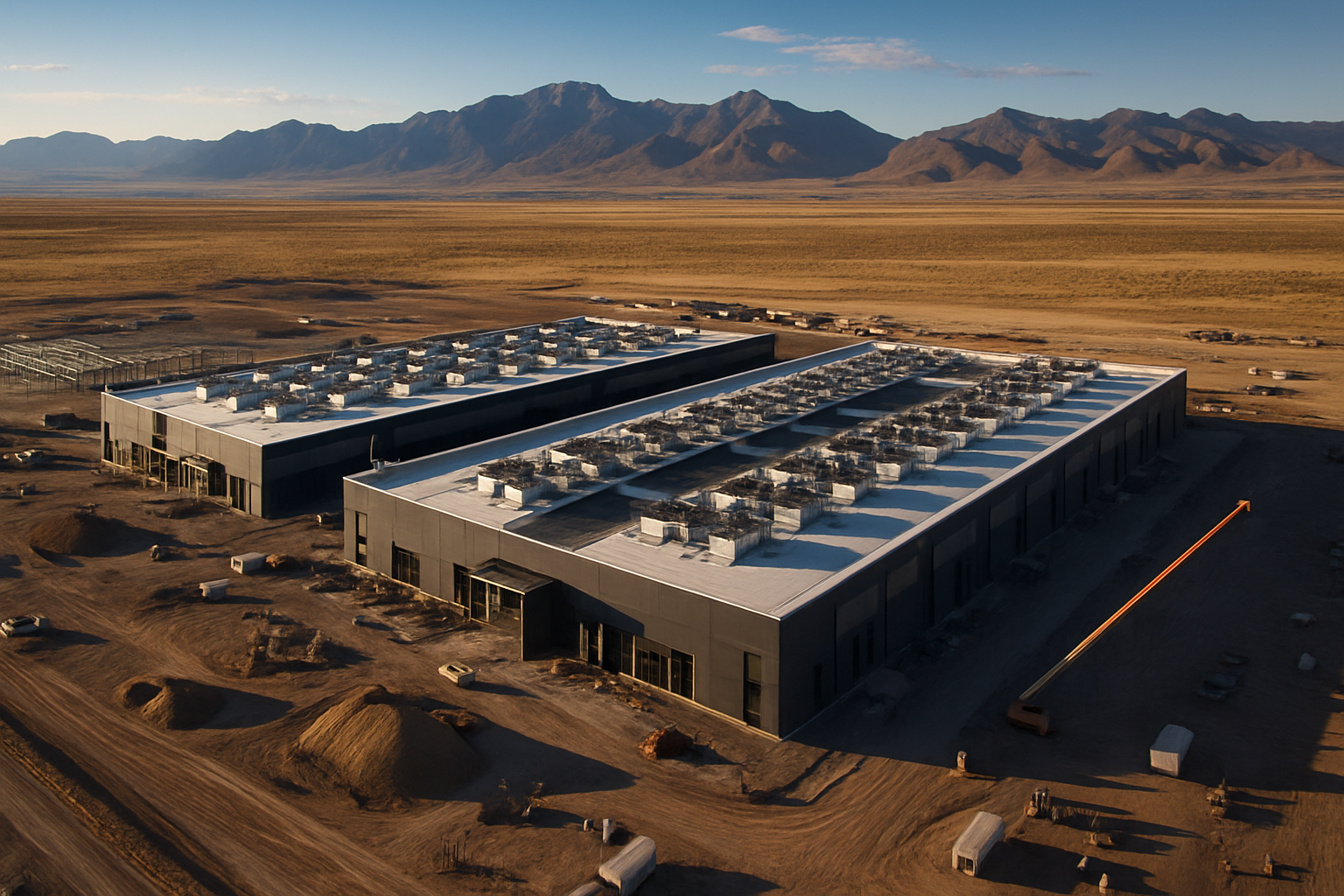
The non-obvious detail buried in the coverage: the project would draw water from an already water-stressed region — a particularly charged issue in Utah, where ongoing drought conditions have pushed water resource debates to the forefront of local politics for years.
What the Kevin O’Leary Data Center Plan Actually Involves
O’Leary, the outspoken businessman best known for his role on Shark Tank, is among the backers of a large-scale data center campus proposed for Utah. Data centers of this scale require enormous amounts of electricity and water — primarily for cooling server equipment — and that demand sits at the heart of the community pushback.
Residents opposing the project argue that local officials fast-tracked approvals without adequately studying the facility’s impact on water supplies, traffic, and surrounding land use. The Utah lawsuit claims those approvals were procedurally improper and potentially violated state environmental review requirements.
The tech infrastructure boom across the American West has sparked a wave of similar disputes. Communities from Arizona to Nevada have increasingly pushed back against data center expansions, citing the strain these facilities place on power grids and scarce water resources.
Why Water Use Is the Central Flashpoint
Large hyperscale data centers can consume millions of gallons of water per year. Evaporative cooling systems — the industry standard — draw heavily on local water supplies. In arid states like Utah, that demand is not abstract: it competes directly with agricultural users, municipalities, and ecosystems already under pressure from prolonged drought cycles.
Plaintiffs in the Utah lawsuit are pointing to this water use issue as a core reason officials should have conducted more thorough environmental review before approving the site. Their legal challenge seeks to force that review — or potentially reverse the approvals entirely.
The dispute reflects a broader national tension. The explosion of AI workloads and cloud computing has made data centers among the fastest-growing consumers of both energy and water in the United States. Local governments, eager for the economic development and tax revenue these campuses bring, have sometimes moved quickly to approve projects — and that speed is now drawing legal scrutiny.
O’Leary’s Role and the Broader Tech Land Rush
Kevin O’Leary has been publicly vocal about his interest in domestic tech infrastructure investment, positioning data centers as a patriotic and economically sound bet for American communities. But the Utah lawsuit demonstrates that celebrity investor backing does not insulate a project from grassroots opposition — especially when residents feel their voices were excluded from the approval process.
Land use disputes involving data centers have become one of the more quietly consequential legal battlegrounds in American tech policy. Unlike a factory or a housing development, a data center’s footprint is largely invisible to passersby — but its demands on local utilities can be immense and long-lasting.
For context on how unexpected the scale of some tech-driven projects can be for local communities, consider that even entertainment investments can generate outsized community and economic impact — but data centers operate on a different level of infrastructure demand entirely.
What Comes Next in the Utah Lawsuit
The residents’ legal challenge will likely center on whether local officials followed Utah’s proper land-use and environmental review procedures. If a court finds the approvals were procedurally flawed, officials could be required to restart the review process — stalling or blocking the project significantly.
O’Leary’s team and local officials had not issued detailed public responses to the lawsuit’s specific claims at the time of NBC News’s reporting. The case will move through Utah state courts, and a ruling could set a precedent for how aggressively communities can challenge fast-tracked tech infrastructure approvals in the state.
It also arrives at a moment when the federal government and multiple states are actively debating how to site, regulate, and fund the next generation of AI and cloud computing infrastructure. The outcome in Utah could inform how other communities — from rural counties to desert towns — negotiate with well-funded tech backers seeking to build at speed.
For residents near the proposed site, the lawsuit is straightforward: they want a real say before a facility that could reshape their water supply and landscape is locked in. Whether the courts agree that they were denied that say is now the question on the table.