New Jersey has become one of the first states in the country to prohibit grocery stores from using shoppers’ personal data to determine what they pay at checkout. The law, which took effect this month, bars retailers from setting prices based on a customer’s browsing history, loyalty-app activity, location data, or other personal identifiers, according to a report from the Jersey Vindicator.
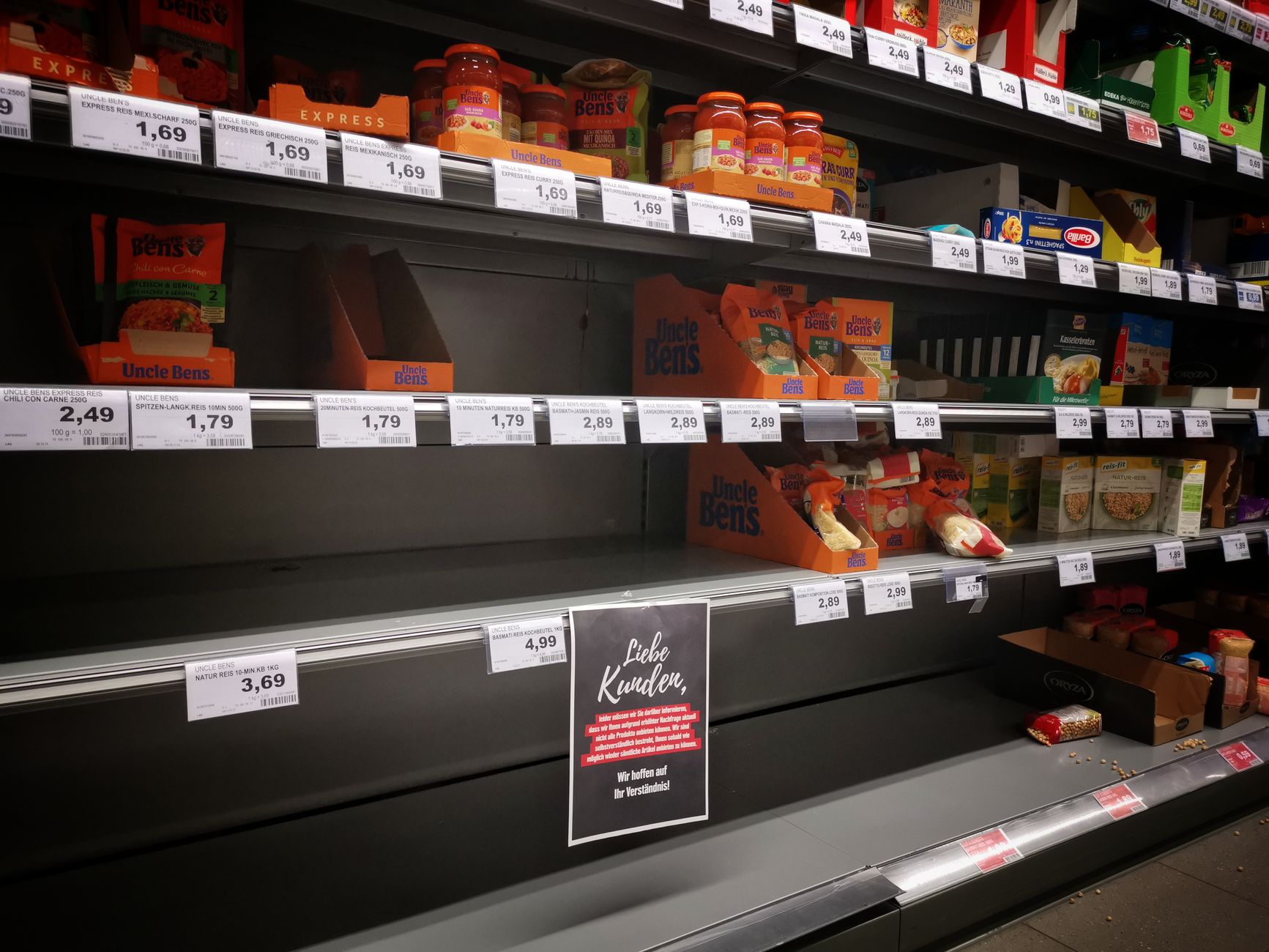
The measure targets a practice known as surveillance pricing, in which retailers use algorithms and customer data profiles to display different prices to different shoppers for the same product. Under the new rules, grocers operating in New Jersey must offer the same shelf or digital price to all customers regardless of what a company’s data systems know about their spending habits, income bracket, or shopping patterns.
What the Law Prohibits
The statute specifically bars grocery retailers from using personal data — including information gathered through loyalty programs, mobile apps, and electronic shelf labels — to individually tailor prices. Electronic shelf labels, which have become increasingly common in large chains, allow retailers to change prices remotely and in real time. Consumer advocates have warned that the same technology enabling faster price updates and demand-based adjustments could also make it easier to charge different customers different amounts for identical products.
Violations of the law can result in financial penalties, and the state’s consumer affairs division is expected to be responsible for enforcement. Retailers are still permitted to offer discounts through loyalty programs or coupons, but they cannot use a shopper’s personal profile to set a baseline price that differs from what is available to the general public.
Why Regulators Are Acting Now
The push against surveillance pricing follows growing scrutiny at the federal level. The Federal Trade Commission opened an inquiry in 2024 into how retailers use consumer data to set individualized prices, ordering several major companies to turn over information about their pricing algorithms. That inquiry found that some retailers were exploring the use of granular consumer data — down to a person’s specific browsing behavior or precise location — to adjust prices in real time.
Lawmakers in New Jersey cited those federal findings, along with rising grocery costs, as motivation for the ban. Grocery prices have remained a persistent source of household strain even as broader inflation has cooled from its post-pandemic peak, and the same affordability pressures are visible elsewhere in the economy, including in a wave of foreclosures climbing nationwide as costs squeeze owners. Supporters of the New Jersey law argue that opaque, data-driven pricing adds another layer of financial unpredictability for consumers already stretched thin by housing and living costs.
Industry Response
Grocery industry groups have pushed back on characterizations of surveillance pricing as widespread or deceptive, arguing that dynamic pricing tools are primarily used to reduce food waste by discounting perishable items nearing their sell-by dates, and to adjust for supply and demand rather than to target individual shoppers. Retail trade associations have said blanket bans risk lumping together legitimate inventory-management practices with more controversial personalized pricing schemes.
Some chains have also noted that electronic shelf labels improve pricing accuracy and reduce labor costs tied to manually updating paper tags. They argue the technology itself is neutral and that regulation should focus narrowly on the use of personal data rather than restricting digital pricing tools altogether.
A Broader Consumer Data Trend
New Jersey’s action fits into a wider pattern of states tightening rules around how companies collect and use consumer data. Several states have passed comprehensive privacy laws in recent years giving residents more control over how their information is gathered, sold, or used for targeted marketing. Grocery pricing has emerged as a particularly visible flashpoint because it touches nearly every household and involves a purchase most consumers make weekly.
Consumer advocacy groups have framed the New Jersey law as a template that could spread to other states, particularly as more retailers adopt electronic shelf labels and loyalty-app ecosystems that generate detailed shopper profiles. Privacy researchers have long warned that as retailers gather more granular data — from smartphone location pings to in-store Wi-Fi tracking — the technical capability to charge shoppers differently based on what companies infer about their willingness to pay becomes increasingly feasible.
What Happens Next
Enforcement of the New Jersey law will likely hinge on how regulators define and detect prohibited pricing practices, since algorithmic pricing systems can be complex and proprietary. Consumer groups are expected to monitor compliance closely in the law’s early months, while retailers adjust their pricing technology and loyalty programs to align with the new requirements.
Other state legislatures are watching closely. Similar bills targeting surveillance pricing have been introduced or discussed in states including California and Colorado, though none have yet been enacted into law. If New Jersey’s ban proves enforceable and does not significantly disrupt grocery operations, advocates say it could accelerate similar measures nationwide, adding grocery pricing to the growing list of consumer data practices facing new legal limits.
The law does not restrict traditional discounts, sales, or loyalty rewards — it specifically targets the use of personal data to set a shopper’s baseline price differently from what is publicly advertised.