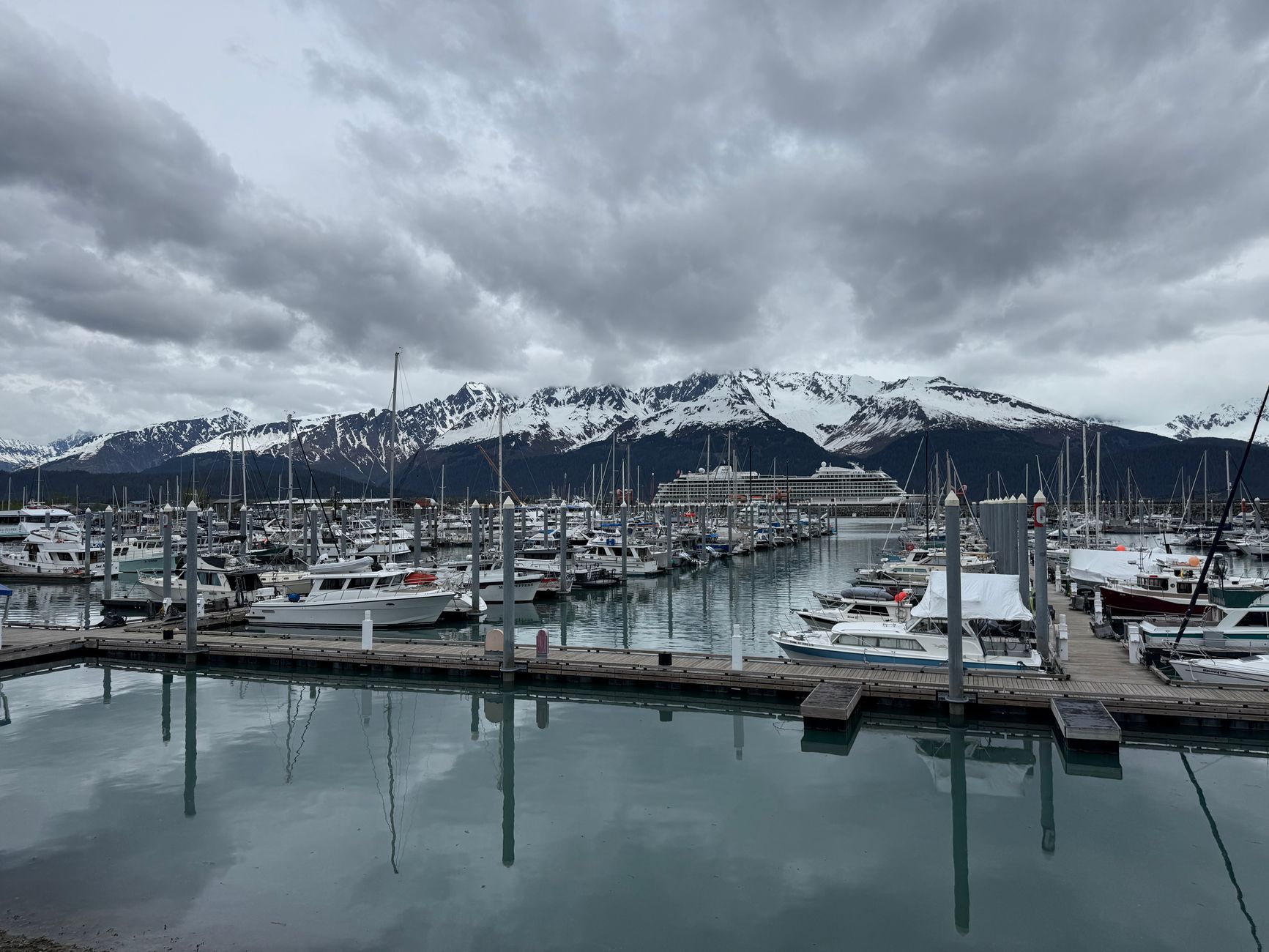
Passengers aboard a commercial cruise vessel witnessed a tense maritime rescue in the waters of Southeast Alaska when the ship’s crew deployed an emergency tender to rescue three stranded mariners whose small skiff suffered engine failure and began taking on water.
Rapid Response in Frigid Alaskan Waters
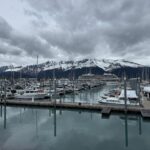
The incident unfolded near a secluded bay popular with eco-tourists and private yachts. The skiff issued distress flares after losing propulsion amidst rising swells and freezing temperatures. The cruise ship’s captain immediately altered course and dispatched a specialized rescue team, successfully transferring all three occupants to safety within twenty minutes of the distress call.
Coast Guard authorities commended the cruise vessel’s swift response, noting that survival times in cold Alaskan waters are exceptionally brief without immediate assistance.
Superyacht Presence Sparks Online Discussion
Eyewitness photos and vessel tracking data revealed that Launchpad, a massive 387-foot luxury superyacht linked to Meta CEO Mark Zuckerberg, was anchored approximately one mile from the stranded skiff during the rescue operation.
While maritime law requires any vessel in a position to assist to render aid, Coast Guard logs indicate the commercial cruise ship had already established radio contact and initiated the emergency retrieval sequence as the closest responder.
Maritime Safety Highlights:
- 3 Mariners Rescued: All occupants evaluated for mild hypothermia and safely returned to shore.
- Swift Emergency Deployment: Cruise crew lowered tender boats within minutes of distress flare observation.
- Coast Guard Protocol: Standard maritime coordination ensured orderly emergency operations.
Importance of Maritime Distress Cooperation
Local maritime captains emphasized that commercial cruise lines operating in Alaskan waters undergo extensive sea rescue drills. The successful operation underscores the critical role commercial passenger vessels play in providing emergency support along remote coastal waterways.