Corporate Activism Reaches Federal Court
In one of the most prominent corporate environmental legal battles in recent history, outdoor gear brand Patagonia has filed a lawsuit in federal court contesting the administration’s decision to strip protections from hundreds of thousands of acres within Utah’s Bears Ears National Monument. Patagonia joined a broad coalition of Native American tribes—including the Navajo Nation, Hopi, Zuni, and Ute Mountain Ute—who assert that executive actions altering national monument boundaries violate the Antiquities Act of 1906.
The lawsuit claims that the executive branch overstepped its constitutional authority, arguing that only Congress holds the legal power to revoke or substantially shrink designated national monuments.
Protection of Sacred Tribal Sites and Natural Ecosystems
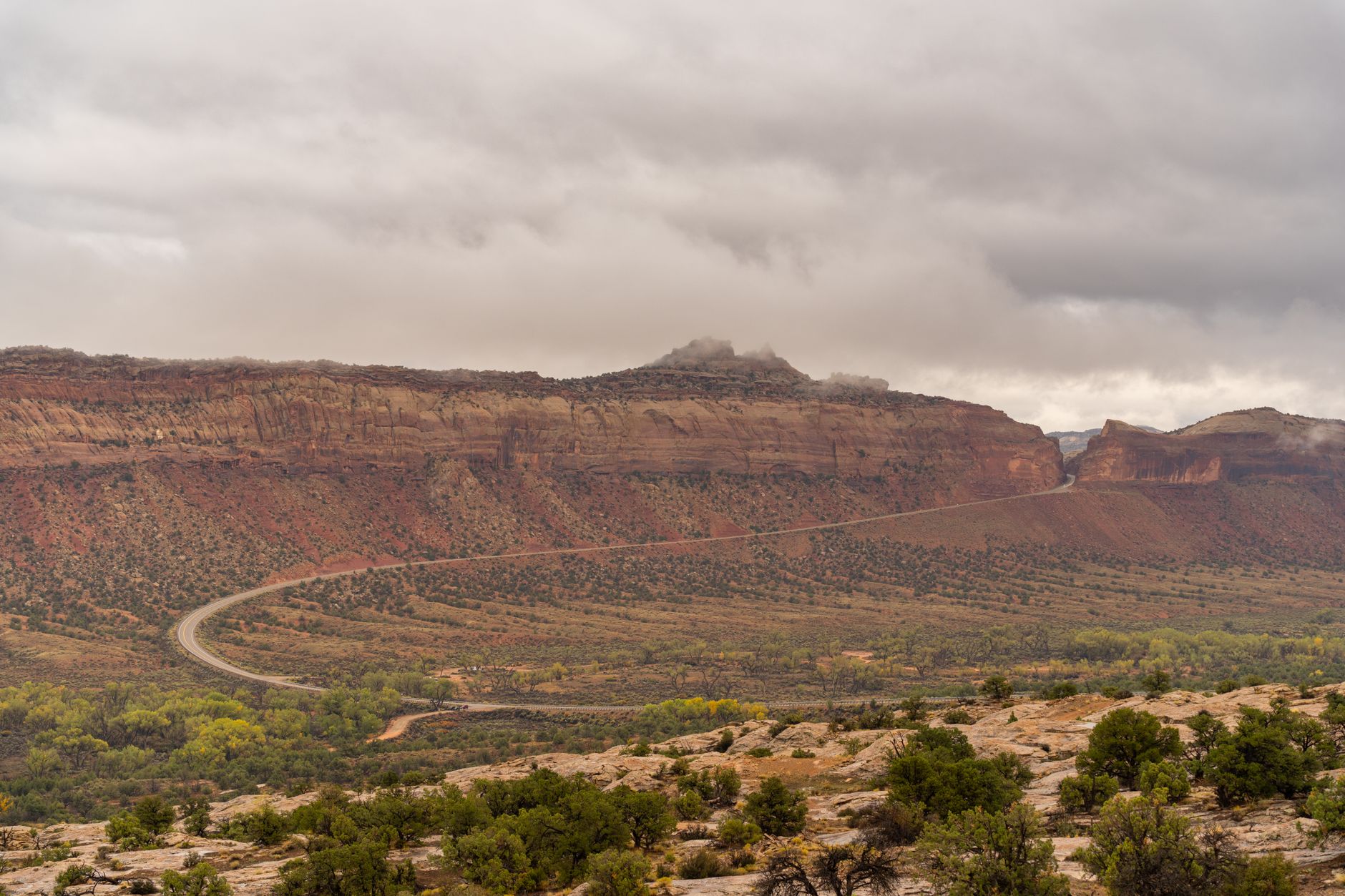
Bears Ears National Monument, established to safeguard thousands of ancient Native American cliff dwellings, ceremonial sites, and delicate desert ecosystems, has long been at the center of political debate over Western public lands. Environmentalists and tribal leaders contend that opening these lands to potential mining, oil extraction, and off-road vehicle recreation risks irreversible damage to sacred cultural heritage.
“Public lands belong to all Americans, and corporations have a duty to defend the natural landscapes that sustain our communities and outdoor traditions,” stated Patagonia executives during a public campaign launching the suit.
Commercial Interests vs. Federal Land Management Policy
Opponents of the monument designation, including local state legislators and industrial trade associations, argue that expansive monument boundaries stifle local economic development and restrict mineral resource extraction. They maintain that state-managed multiple-use frameworks provide better land stewardship while creating rural energy and mining jobs.
As the legal challenge proceeds through federal appellate courts, legal analysts emphasize that the court’s ultimate ruling could establish a precedent governing the future of federal land conservation and presidential executive powers across the United States.