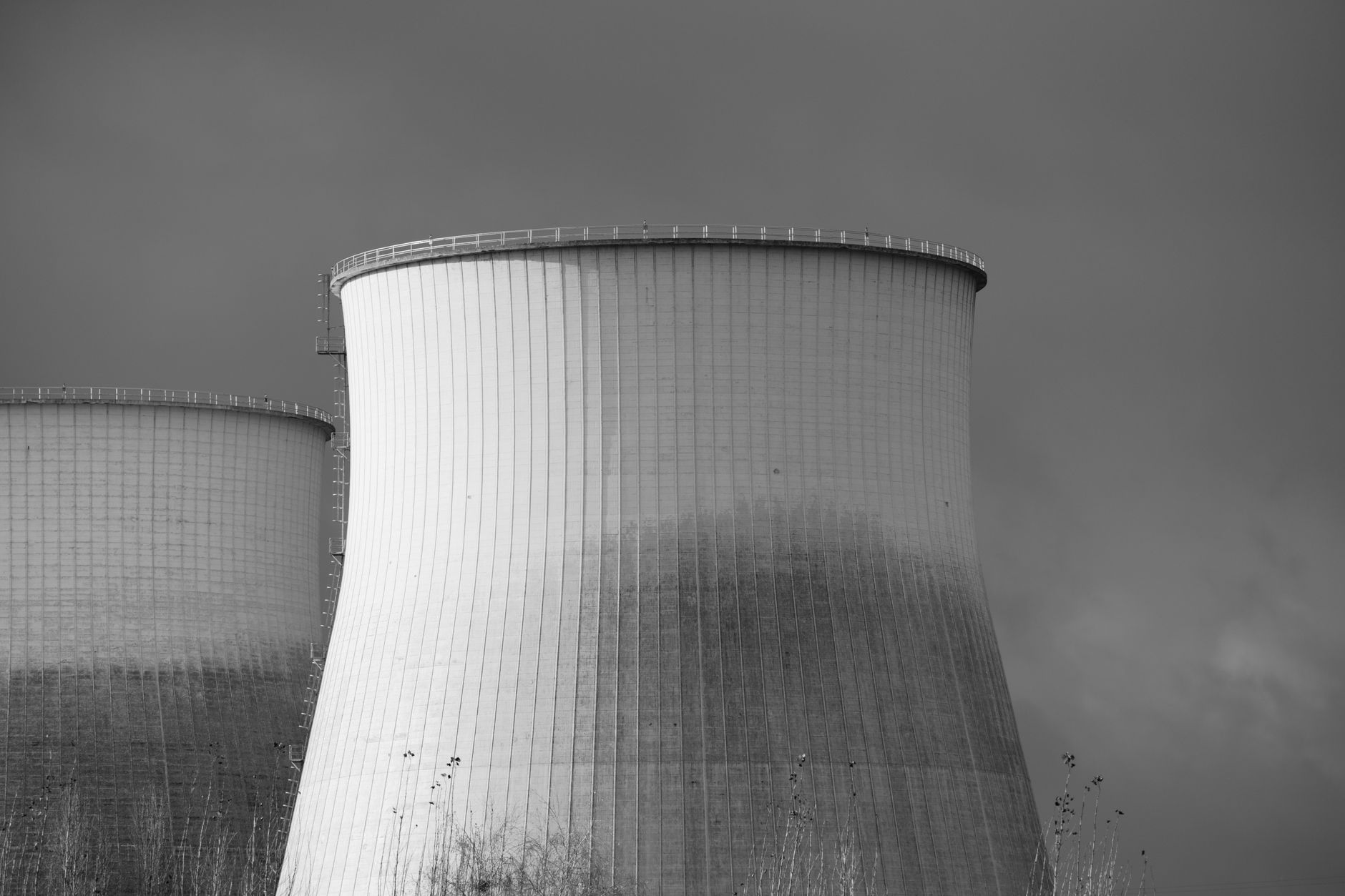
WASHINGTON — Federal authorities and commercial utility operators confirmed Wednesday that three shuttered nuclear reactors across the United States will be brought back into service, delivering an estimated 2.25 gigawatts of zero-carbon baseload electricity directly earmarked for artificial intelligence data infrastructure. The multi-billion-dollar revitalization effort is backed by long-term power purchase agreements spearheaded by technology giants Microsoft and Google.
A Historic Shift in American Power Infrastructure
The decision to resurrect previously retired nuclear units reflects the immense pressure hyperscale computing has placed on domestic electrical grids. Over the past three years, the expansion of high-density computing clusters has outpaced traditional utility expansion timelines, forcing corporate operators to look beyond intermittent renewables like solar and wind toward steady, uninterrupted power generation.
According to filings submitted to the Nuclear Regulatory Commission (NRC), the three facilities—spread across the Mid-Atlantic and Midwest—are scheduled to complete engineering overhauls, safety upgrades, and digital systems recertification over the next eighteen months. Once synchronized with regional transmission organizations, the combined 2.25 gigawatt capacity will be capable of powering millions of high-performance accelerator chips operating continuous training and inference workloads.
“Reactivating proven nuclear assets provides the cleanest, most reliable bridge to meet immediate digital demand without compromising national decarbonization targets,” a senior Department of Energy official stated during Wednesday’s technical briefing.
Big Tech’s Quest for Uninterrupted Megawatts
Both Microsoft and Google have committed to powering their global operations entirely with carbon-free energy by 2030. However, the exponential compute requirements of foundation models have strained local distribution systems from northern Virginia to central Ohio. Conventional batteries remain cost-prohibitive for multi-day grid buffering, leaving nuclear generation as the primary alternative capable of delivering uninterrupted 24/7 reliability.
For Microsoft, the investment represents an expansion of its aggressive energy procurement strategy. Company executives have previously navigated intricate technological trade-offs, warning that software infrastructure requires rigorous safeguards; as detailed in our analysis of internal assessments urging teams to treat all AI systems as fundamentally compromised, maintaining rigorous operational controls extends directly into physical utility dependencies and sovereign grid reliance.
Google has similarly expanded its portfolio of advanced clean power, pairing regional nuclear contracts with geothermal exploration to ensure that newly deployed cloud availability regions do not force utilities to reignite retired coal or gas turbines.
Regulatory Hurdles and Modernization Costs
Restarting an inactive commercial reactor remains an intricate technical undertaking. Although the physical containment structures and primary coolant loops remain structurally sound, engineers must replace decades-old analog control rooms with modern, cybersecurity-hardened digital instrumentation.
Key Phases of the Reactor Recommissioning
- Non-Destructive Inspections: Comprehensive ultrasonic scanning of reactor pressure vessels, steam generators, and primary piping to detect micro-fractures or stress corrosion.
- Control System Modernization: Replacing legacy analog switchgear with isolated, modern control platforms certified against digital intrusion.
- Fuel Procurement and Core Reloading: Securing enriched low-enrichment uranium assemblies through diversified Western supply chains.
- NRC Safety Verification: Conducting multi-stage containment integrity tests and emergency core cooling simulations prior to commercial criticality.
Industry analysts project capital expenditures across the three sites will exceed $3.6 billion. However, independent energy economists note that restarting an existing licensed facility remains substantially faster and cheaper than constructing a greenfield nuclear installation, which often faces decade-long licensing delays and severe supply chain bottlenecks.
Broader Grid Impacts and Environmental Scrutiny
While environmental groups have largely acknowledged the climate advantages of avoiding fossil-fueled peaker plants, local advocacy groups have raised questions regarding long-term spent fuel storage and thermal discharge into regional waterways. Utility executives countered these concerns on Wednesday, affirming that modern dry-cask storage designs meet all updated seismic and containment standards established by international watchdogs.
Regional grid operators have also emphasized that dedicated industrial power contracts must not diminish reliability for residential consumers. Under the terms of the federal framework, a portion of the reactivated power reserve will remain interconnected to the wider grid as a defensive buffer during extreme weather events, ensuring that public utility customers retain emergency capacity during peak winter freezes or summer heatwaves.
The Trajectory of AI-Driven Energy Demand
The recommissioning of 2.25 GW represents only the opening phase of a deeper restructuring between the technology and energy sectors. As machine intelligence workflows become deeply embedded in global logistics, healthcare, and enterprise software, the physical footprint of computing has grown inseparable from sovereign energy policy.
With federal regulators approving the roadmap and commercial financing fully secured, the coming months will see utility workforces reoccupy the three reactor campuses. The project stands as a concrete demonstration that the computational frontier is reshaping industrial energy policy, transforming vintage clean power installations into the foundational backbone of twenty-first-century digital intelligence.