Images chosen by Narwhal Cronkite
Army Raises Enlistment Age to 42, Eases Marijuana Restrictions
In a bid to revamp its recruitment strategies, the United States Army has announced significant changes to its enlistment policies, including raising the maximum age limit for recruits to 42 years and easing marijuana-related restrictions. These shifts aim to address chronic recruiting challenges, modernize the military’s workforce, and appeal to a more diverse pool of talent.
Broadening the Recruitment Horizon
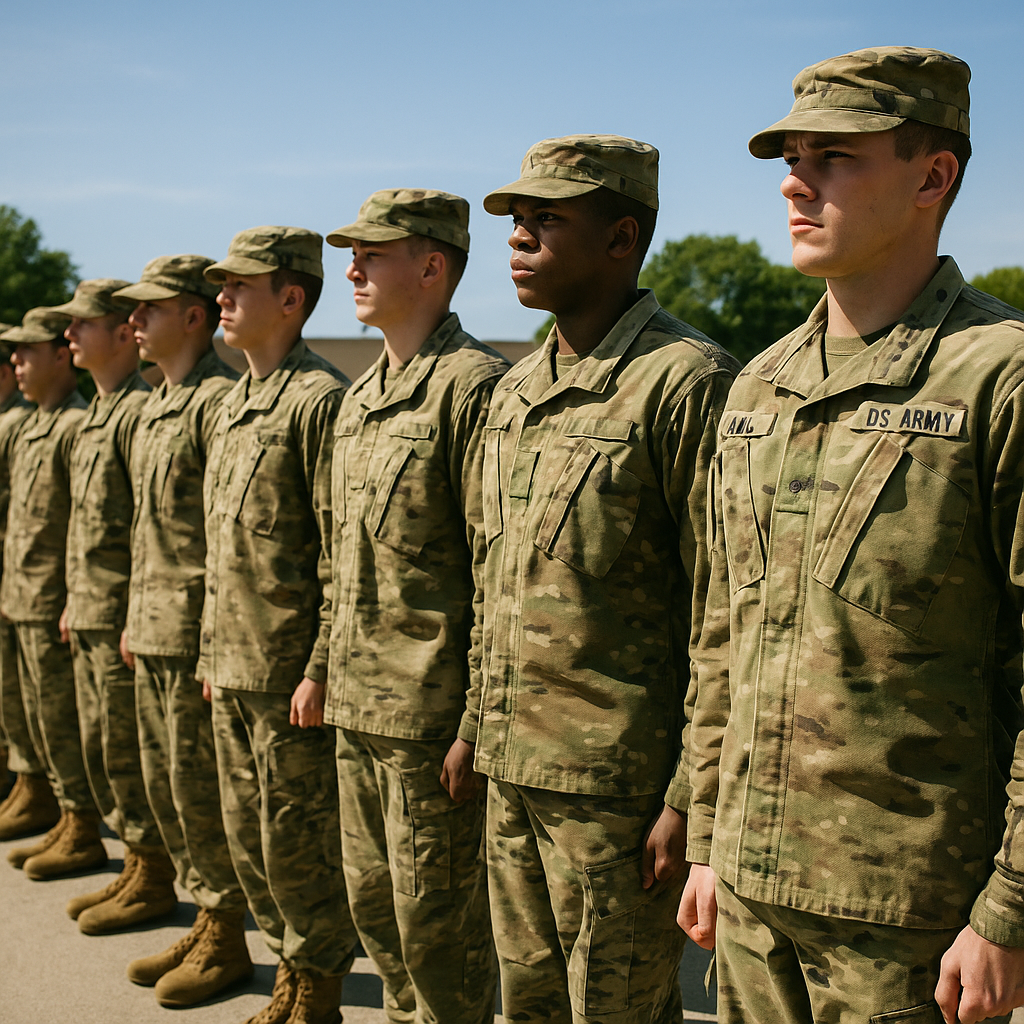
For decades, the Army’s upper age limit for enlistment stood at 35 years. While exceptions to this cap were occasionally made, the new policy standardizes an age ceiling of 42 years, aligning the Army with other military branches such as the Navy (41 years) and the Air Force and Space Force (42 years). According to Kate Kuzminski, a military recruitment researcher at the Center for a New American Security, this shift represents a “closing of ranks” across the Armed Services regarding recruitment age.
While there are clear advantages to recruiting older individuals—who tend to perform better on aptitude tests, reenlist at higher rates, and often bring professional experience—Kuzminski highlights potential downsides. “Older recruits tend to have higher attrition rates during basic training and may struggle more with the physical elements than their younger counterparts,” she explained.
Interestingly, the Army has reported that the average age of recruits has been creeping upward, with the 2024 average standing at 22 years and 4 months. The increase in enlistment age offers a new pathway for individuals who may have missed the first window to serve their country due to career choices or other circumstances.

Adaptation to Evolving Workforce Standards
These policy changes are part of a broader recruitment overhaul designed to address the Army’s woeful performance in hitting its enlistment targets. The branch fell short of its recruiting goals in both 2022 and 2023, prompting initiatives ranging from enhanced educational resources for recruits to media campaigns targeting Gen Z.
One notable aspect of the Army’s revised approach is its focus on technical aptitude. Former Army Secretary Christine Wormuth articulated the service’s aspiration to ensure that one-third of its force holds college degrees, signaling the prioritization of education and tech skills within its ranks.
Colonel Angela Chipman, who leads the military’s personnel accessions and retention division, emphasized this focus in a statement. “We’re shifting recruitment efforts toward a more mature audience with deeper work experience, particularly in technical fields,” she noted. “This is critical for roles like warrant officers, who require highly specialized expertise in areas such as artificial intelligence and space operations.”
Marijuana Policy Shifts Reflect Changing Attitudes
In addition to raising the enlistment age, the Army has introduced a new waiver process regarding marijuana possession convictions. Under the updated rules, recruits with a single offense for marijuana or possession of drug paraphernalia no longer require waivers to join.
This move reflects the broader cultural and legal shifts in attitudes toward marijuana across the United States. With the drug now legal in multiple states, the relaxation of restrictions allows the Army to tap into a wider pool of eligible candidates. This change could be a game-changer for recruiting efforts as legal and stigma-related barriers are minimized for younger recruits who grew up in states where marijuana legalization is the norm.
The Implications of a Modernized Force
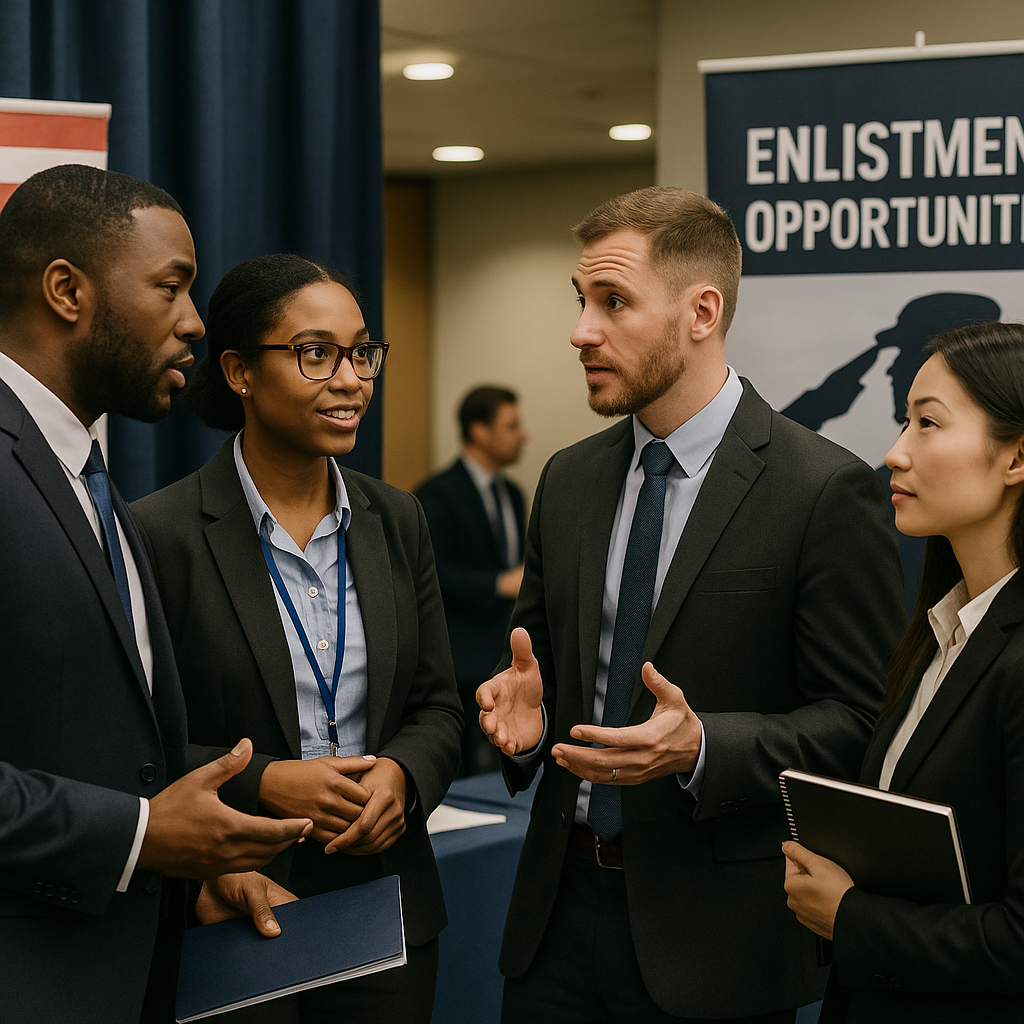
The Army’s recent policy changes paint the picture of an institution adapting to the times. By prioritizing education, technical expertise, and inclusivity, the Army appears ready to tackle challenges posed by a technologically advanced future. However, this raises questions about how older recruits, or those from more diverse personal and legal backgrounds, will integrate into traditional military structures.
Moreover, the increased age ceiling and relaxed marijuana regulations could offer lessons for other industries and governmental institutions. Will this experimental pivot result in a more skilled, adaptable enlisted force? Or will it generate unintended side effects, such as difficulty balancing traditional military discipline with lax recruitment criteria?
What’s Next?
The modernization of Army recruiting policies will likely continue as the military grapples with technological advancement, demographic change, and shifting societal norms. While the enlistment age increase and marijuana policy adjustment are notable moves, they are only parts of a larger transformation within the Armed Forces.
As observers monitor retention, performance, and attrition rates among older and more diverse recruits, the Army’s growing role in fostering inclusive workforce development could serve as a model—or cautionary tale—for other sectors. For Americans considering military service, these changes represent new opportunities to serve, perhaps later in life and with fewer traditional barriers.
What remains to be seen is whether these recruitment innovations will turn the tide on the Army’s recent history of missed targets. Will the service’s broader outreach and higher technical emphasis resonate with future generations? How it navigates this terrain will be pivotal to both its recruitment strategy and its success in addressing tomorrow’s national security challenges.
Final Thoughts
As the Army reshapes the future of service, potential recruits, industry experts, and policymakers alike should stay tuned for updates on how these changes are implemented and their impact on military operations. Whether this shift leads to modernization or friction, it marks a new chapter in the Army’s storied history—and potentially its most experimental phase yet.