Images chosen by Narwhal Cronkite
Artemis Crew Reaches the Moon, Approaches Record-Breaking Distance from Earth
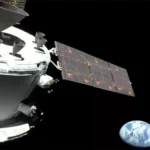
The Artemis II mission has rung in a historic milestone, as its crewed spacecraft has successfully reached the moon on its journey to achieving new distances in human space exploration. This marks not only NASA’s triumphant return to lunar proximity but also an ambitious effort to set a record-breaking distance from Earth for a crewed spacecraft, a feat that underscores humanity’s deepening push toward interplanetary exploration.
The Moon Revisited: A New Era of Space Exploration
For the first time since the Apollo program ended in 1972, humans have returned to the vicinity of the moon. The Artemis II mission is a key step in NASA’s Artemis program, which aims to establish a sustainable presence on the moon as a precursor to future Mars missions. Unlike its Apollo ancestors, Artemis II does not aim to land on the lunar surface. Instead, its crew of four astronauts will undertake a loop around the moon, leveraging its gravity to propel the spacecraft to record-breaking distances.
As the craft inches ever closer to surpassing the Apollo 13 crew’s record of 248,655 miles (400,171 kilometers) from Earth, anticipation grows among space enthusiasts, engineers, and international partners. Speaking to Reuters, NASA officials noted that this mission represents a critical test not only of technology but also of humanity’s commitment to exploration. “Artemis is not just about returning to the moon — it’s about creating a pathway to stay. And beyond that, this reminds us we’re capable of dreaming big,” one NASA representative stated.
Technology Paves the Way for New Horizons
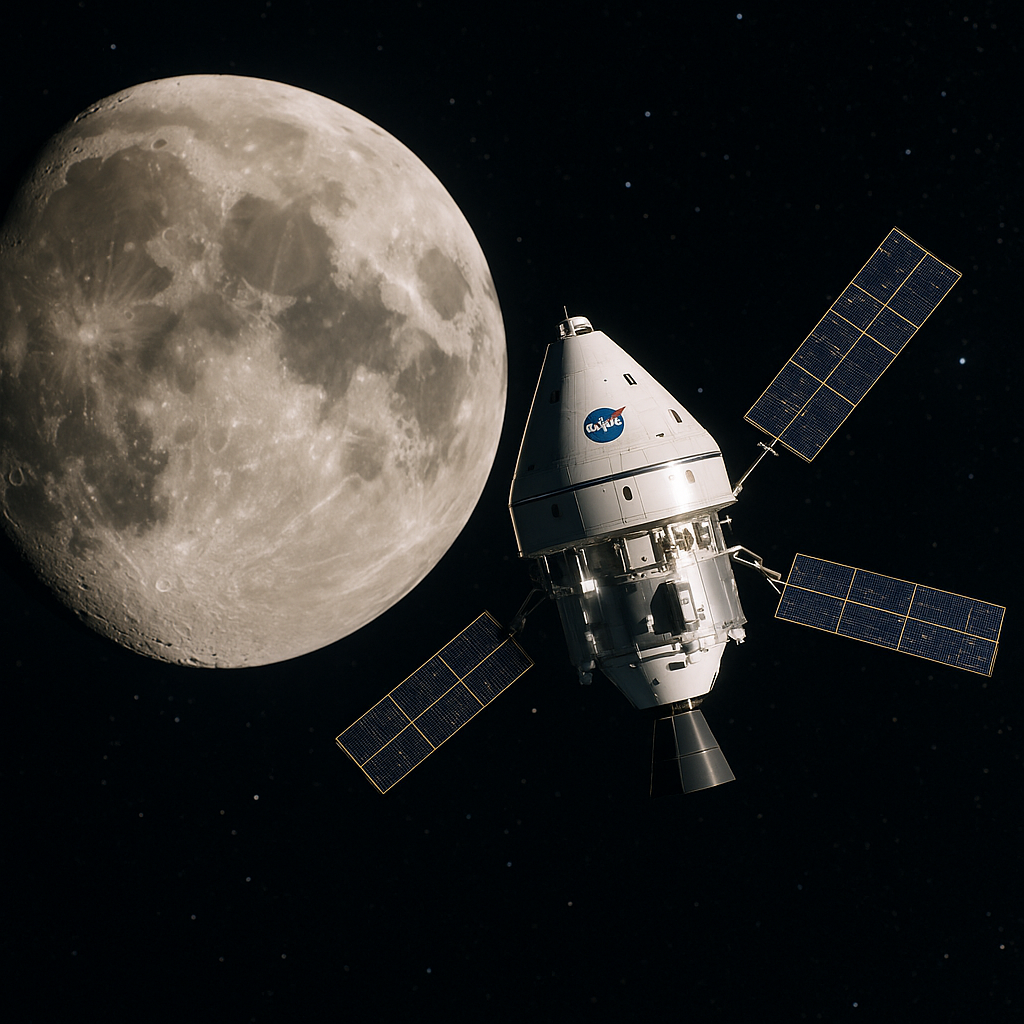
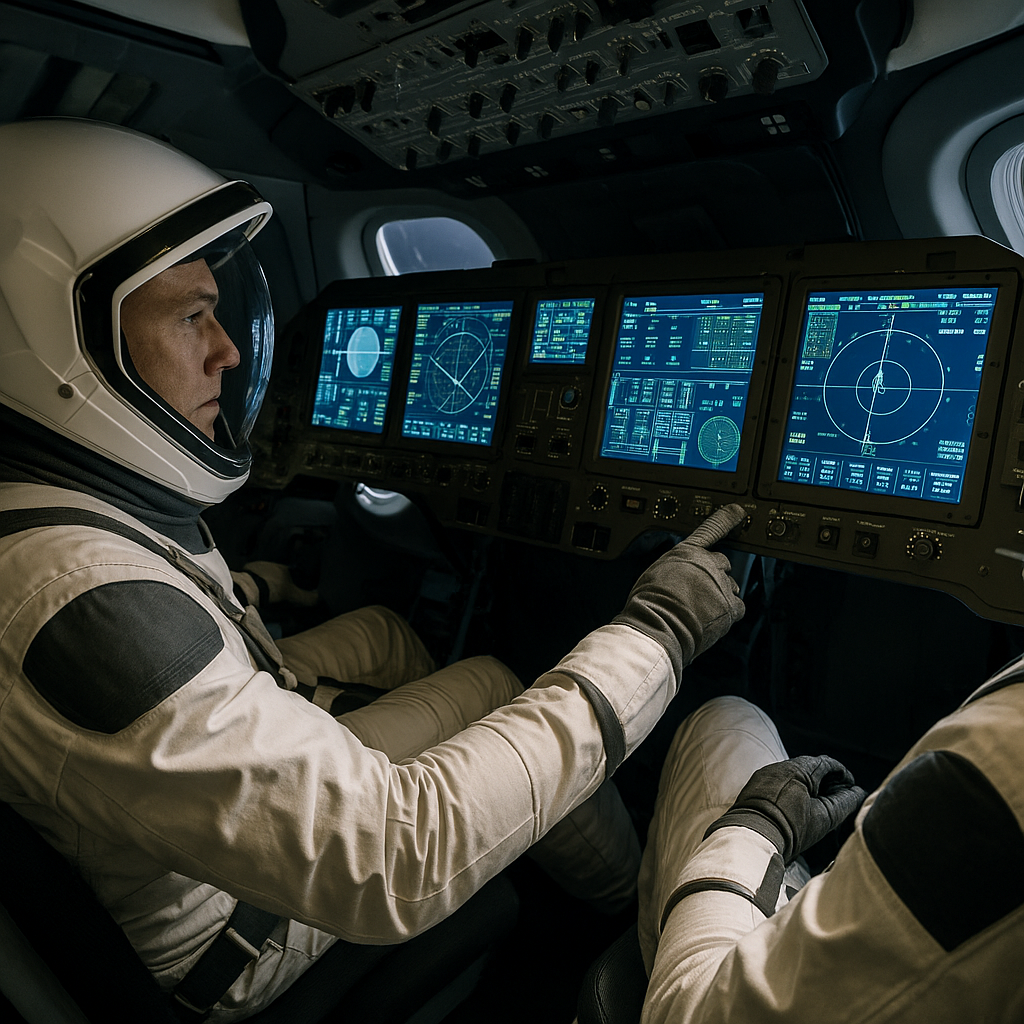
The Artemis II mission features cutting-edge developments that differentiate this era of lunar exploration from its predecessors. At the heart of the spacecraft is the Orion capsule, a state-of-the-art vehicle designed to support human life for long-duration missions. Equipped with advanced life support systems, communications technologies, and safety protocols, Orion reflects decades of progress in aerospace engineering.
Furthermore, the Artemis program is deeply collaborative. International space agencies like the European Space Agency (ESA) and Canadian Space Agency (CSA) have contributed crucial components to Artemis missions, emphasizing the global effort in humanity’s push to explore deeper into the solar system. ESA provided the European Service Module for Orion, while CSA’s Canadarm3 will play a pivotal role in future lunar operations.
The emphasis on sustainability is also apparent. The Artemis program has prioritized reusable technologies, a nod to the lessons learned from both the Apollo and Space Shuttle eras. Many experts see this as a positive shift. “The emphasis on renewability and international cooperation signals a move toward a more inclusive and forward-looking space exploration paradigm,” noted aerospace analyst Claire Mendes in an interview with Space.com.
Breaking Records and Expanding Frontiers
While Artemis II’s primary mission is to test systems and gather operational data, the symbolism of surpassing the Apollo 13 record carries significant weight. Apollo 13, remembered for its harrowing mid-mission failure in 1970, still holds the record for the farthest distance ever traveled from Earth by humans. Should Artemis II surpass this mark, it will cement its place in history as a testament to the magnitude of human ingenuity and resilience.
This milestone also acts as a proving ground for future missions. Artemis III, targeted for later this decade, is set to land the first woman and the first person of color on the moon. Many see the Artemis program’s grander ambitions — including the establishment of lunar bases and a potential mission to Mars — as key steps toward solidifying humanity’s presence beyond Earth.
However, challenges remain. Ensuring the safety of astronauts in deep space environments, balancing the program’s costs with objectives, and navigating geopolitical complexities in an increasingly crowded space arena will require remarkable coordination and innovation.

Implications for Science, Industry, and Humanity
The Artemis program is more than just an engineering and exploration endeavor — it holds profound implications for scientific and commercial activities in space. For scientists, missions like Artemis II provide critical data about deep-space radiation, the lunar environment, and how humans adapt to long-duration space travel. Many believe this information will not only help future missions but also benefit industries like medicine and material science back on Earth.
The private sector is similarly poised to capitalize on this space renaissance. Companies such as SpaceX, Blue Origin, and Axiom Space are already contributing technologies, logistics support, and innovations crucial to advancing lunar and interplanetary exploration. Analysts suggest that Artemis missions will accelerate the growth of the space economy, which could surpass $1 trillion in the coming decades.
On a societal level, the Artemis program rekindles the inspiration that characterized the space race of the mid-20th century. “When people see astronauts traveling farther than ever before, it reminds us that collaboration and perseverance can achieve the impossible,” said Dr. Evan Kirkland, a professor of astrophysics and science communication, in a televised interview earlier this week.
What’s Next for the Artemis Program?
With Artemis II approaching the record-breaking threshold, excitement is building for what lies ahead. The mission’s success will pave the way for Artemis III, which will culminate in a lunar landing — a historic milestone for space exploration. Alongside this, plans for a lunar gateway station and the mining of water ice on the moon are introducing new frontiers for science and industry alike.
As NASA and its international partners refine their roadmap to Mars, the Artemis program is set to remain in the global spotlight. Whether future missions will inspire the same level of public enthusiasm as the Apollo era remains to be seen. What is clear, however, is that Artemis is ushering in a bold new chapter in humanity’s quest to venture beyond our home planet.
The world will be watching as Artemis II continues its journey – and as humanity takes one step closer to becoming a multiplanetary species.