Bad Bunny’s Super Bowl Halftime Show Was an All-American Triumph. Turning Point USA’s Was a Boring MAGA Grift With Kid Rock
In a moment of spectacle that blended cultural identity, universal appeal, and pure showmanship, Bad Bunny reminded America what inclusivity in entertainment truly means during his Super Bowl Halftime performance. In contrast, Turning Point USA’s counterprogrammed halftime show, featuring Kid Rock, felt like a hollow attempt to repackage outrage as patriotism. The two performances couldn’t have been more different, with one exemplifying the progressive potential of pop culture and the other doubling down on divisive rhetoric.
A Halftime Show for the Ages: Bad Bunny Steals the Spotlight
Super Bowl halftime shows have long been a litmus test for the state of American pop culture, and this year was no exception. While previous performers have leaned heavily on nostalgia, Bad Bunny delivered a production that felt both timely and timeless. With a setlist that included global chart-toppers like “Tití Me Preguntó” and “Un Verano Sin Ti,” the Puerto Rican megastar brought reggaeton to the forefront of one of America’s most-watched broadcasts.
The performance was dazzling, blending bilingual lyrics, choreographed dances rooted in Latinx culture, and a stage design inspired by Puerto Rican heritage. As CNET highlighted in their coverage, “Bad Bunny’s ability to bridge cultural gaps while staying authentic to his roots is what makes him a truly global artist.” His ability to turn the Super Bowl stage into a celebration of diversity proved why he is one of the most influential artists of this generation.
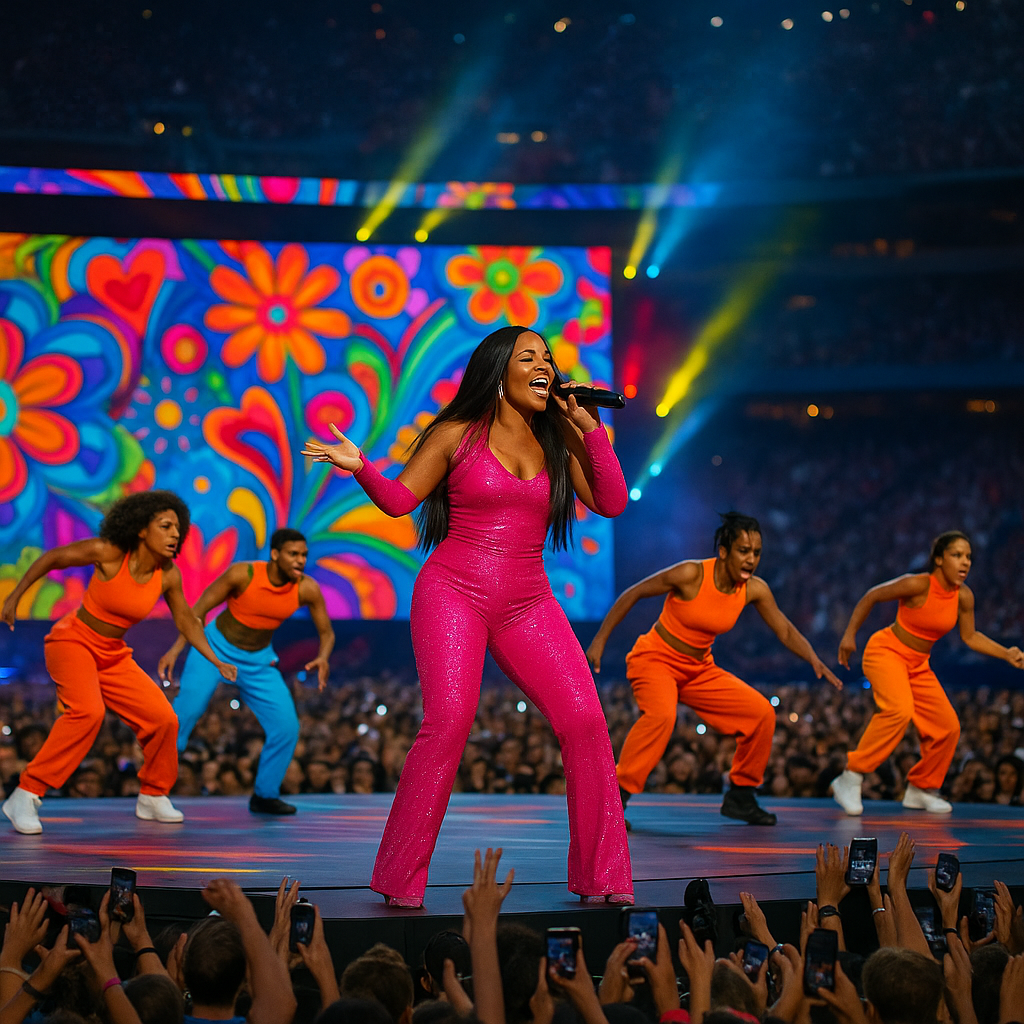
While the musical spectacle thrilled audiences, it also sent a clear message about what “All-American” entertainment can be. By embracing multiculturalism, Bad Bunny not only expanded the boundaries of what is acceptable in mainstream entertainment but also reinforced the idea that America is a mosaic of identities — an ideal emphasized through his choice to perform primarily in Spanish.
Turning Point USA Fizzles with an Overplayed MAGA Message
On the other side of the cultural spectrum, Turning Point USA’s counterprogramming seemed to exist more as a reaction than as a genuine alternative. Marketed as an “All-American Halftime Show,” the event led by conservative organization Turning Point USA featured Kid Rock and a collection of performers whose profiles have notably diminished with time. As reported by Variety, the broadcast began with an onslaught of merchandise promotions and unsubtle appeals for texts and donations. This tone set the stage for what was essentially a night of performative patriotism wrapped in nostalgia.
Kid Rock belted out dated hits such as “American Bad Ass” and “Cowboy,” while the audience was urged to “support the mission.” There was little in the way of innovation or depth, and the event felt like an echo chamber designed to appeal to a small, self-contained demographic. Even more ironic was the fact that significant portions of the performance appeared lackluster, with one Variety critic calling it “halfhearted from the start.” For many industry observers, this was less a musical event and more an overplayed political statement that failed to deliver as either entertainment or activism.

A Tale of Two “All-American” Narratives
The contrast between these two halftime shows underscores a larger cultural conversation about the definition of “All-American.” Bad Bunny’s vibrant, undeniably global approach reflects an inclusive narrative, one that celebrates the blending of cultures while honoring individuality. On the other hand, Turning Point USA’s production clings to dated notions of identity, attempting to position English-language country rock as the sole representative of American values.
Such narratives aren’t new but have taken on greater significance in an era where political polarization often bleeds into cultural spaces. Bad Bunny’s Super Bowl halftime show provided a counterpoint to the exclusionary undertones of Turning Point’s event — a vivid reminder that the idea of America is built on its diversity. “Music transcends borders and unites people; that’s what makes this performance quintessentially American,” noted a music industry analyst we spoke with after the show.
The Economics of Halftime Programming
Another dividing line between these two events was their approach to engaging audiences. Bad Bunny’s show was undoubtedly backed by significant financial muscle, featuring high-production values, pyrotechnics, and top-tier choreography. Conversely, Turning Point USA’s event seemed to prioritize fundraising over production. With constant reminders for viewers to purchase merchandise and sign up for text alerts, it felt more like a telethon than a halftime show.
This difference speaks volumes about the economic models behind these performances. The Super Bowl halftime show has become a coveted stage for artists, often funded by corporate sponsors eager to capitalize on the global viewership. According to CNET, “Big-name performances like Bad Bunny’s drive engagement not just during the game but across social media platforms long after the final whistle.” Turning Point USA, on the other hand, leaned heavily on donations and merchandise, revealing its limitations in competing for attention on such a massive cultural stage.

What’s Next for America’s Cultural Identity?
As the dust settles on this year’s halftime performances, the key takeaway is clear: cultural representation matters. Whether it’s in music, film, or broader entertainment, the narratives we choose to amplify shape our collective identity. Bad Bunny’s performance set a new bar for what halftime shows can and should be: bold, inclusive, and unforgettable. Meanwhile, Turning Point USA’s production highlighted the diminishing returns of relying on outdated playbooks.
Looking ahead, the spotlight is on the NFL and other major organizations to continue pushing for diverse voices on the big stage. With artists like Bad Bunny leading the way, the future of American entertainment looks brighter than ever — but only if decision-makers embrace inclusivity as essential rather than optional. As one cultural critic put it, “The success of this year’s show is proof that audiences are ready for a broader definition of what it means to be American.”
Conclusion
The divide between Bad Bunny’s Super Bowl halftime show and Turning Point USA’s counterprogramming offers a snapshot of America’s ongoing cultural evolution. On one side, you have a celebration of diversity and innovation; on the other, a clinging to outdated traditions that fail to resonate beyond a narrow audience. If this year’s Super Bowl proved anything, it’s that the future of entertainment belongs to those willing to embrace change — and that’s something worth looking forward to.