Images chosen by Narwhal Cronkite
Bears Watching: Markets Close Green Despite Oil Trading Above $110/Barrel
In an intriguing twist for market watchers, U.S. equities closed in the green this week, even as oil prices surged past the $110 per barrel mark. Market bulls and bears alike are cautiously eyeing these unusual dynamics, which suggest a resilient stock market adapting to upward pressure from energy costs. But what’s driving this resilience, and does it have staying power?

Oil Pricing Pressure: A Contextual Look
Crude oil prices crossing the $110 threshold often spell trouble for global markets, as elevated energy costs ripple through industries ranging from transportation to manufacturing. A sharp rise in oil prices typically stokes inflationary fears and dents corporate margins. For context, oil is a core input cost for many sectors, and a persistent increase can strain balance sheets and consumer spending alike. Historically, such conditions have served as a warning for markets, leading to increased volatility or pullbacks.
Yet market resilience this time has surprised analysts. Energy companies, buoyed by the surge in oil pricing, have posted robust gains—serving as a counterweight to downward pressure elsewhere in the economy. In fact, some indexes, like the S&P Energy Sector Index, have significantly outperformed in recent sessions.
“Energy stocks have become a safe harbor in an otherwise uncertain environment,” noted Jane Thornton, an equities analyst. The question remains whether this divergence between energy prices and overall market performance can endure, or if the broader market is playing catch-up with a delayed reaction.
Economic Data Calms Nerves
Much of the optimism in markets can be attributed to recent economic data that, while mixed, offers glimmers of hope in key sectors. Non-farm payroll numbers beat expectations for the third consecutive month, signaling continued labor market strength. Coupled with an unexpected cooling in consumer price inflation, the data provided much-needed relief for investors wary of tightening monetary policy from the Federal Reserve.
Investors have been closely tracking Fed policy as it navigates a balancing act between curbing inflation and fostering growth. The data this week appeared to embolden market participants who are hoping for a less aggressive stance on rate hikes. “What we’ve seen is the market starting to price in a potential Fed pivot later this year,” said Greg Simmons, a senior advisor at Horizon Wealth.
The Weight of Energy Stocks
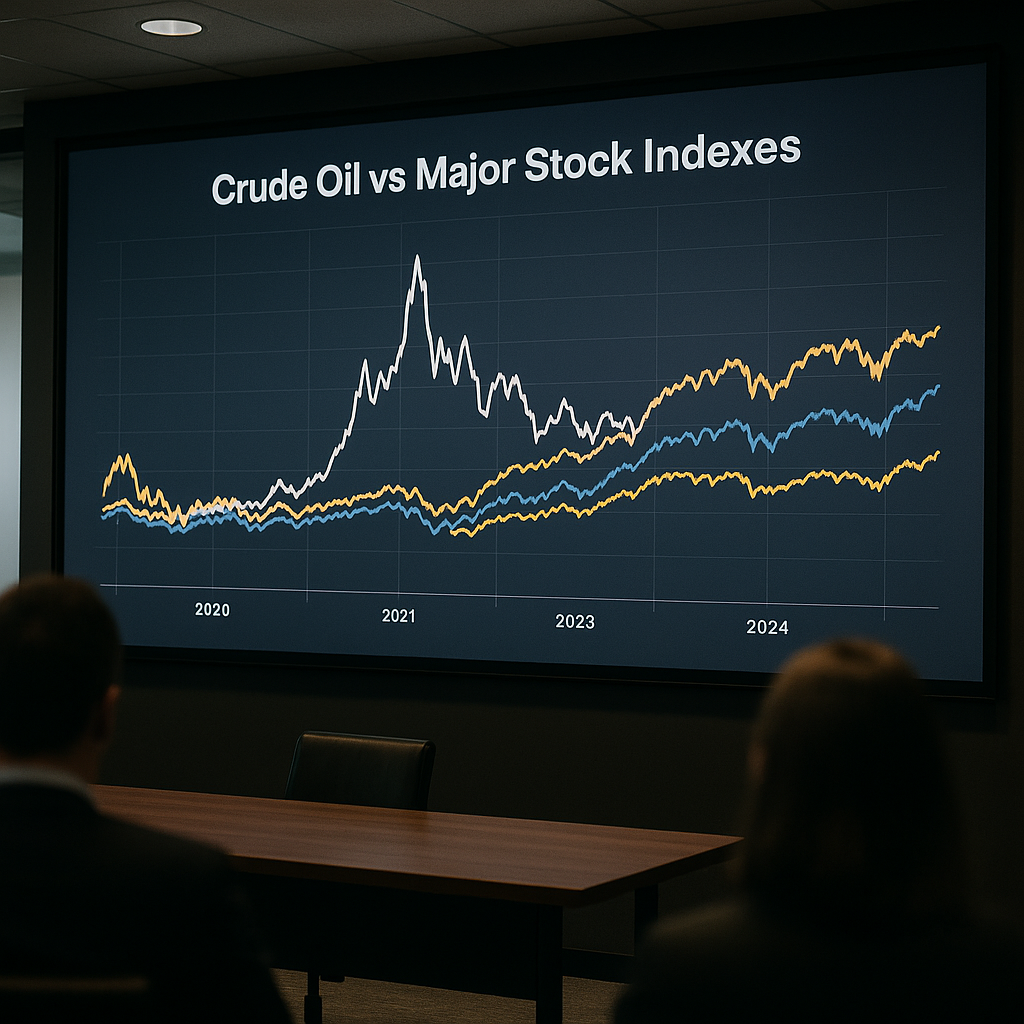
Energy companies continue to play an outsized role in shaping overall market sentiment. Shares of major oil producers like ExxonMobil and Chevron surged in tandem with crude oil prices, posting gains that buoyed not just their individual shares but also energy-heavy ETFs. In essence, Wall Street has leaned on the strength of these performers to offset concerns in more technologically reliant or consumer-focused sectors.
However, the question remains whether the rally in energy stocks is sustainable. While strong oil prices create short-term cash flow for energy firms, prolonged high prices typically lead to demand destruction. “This is not 2008,” cautioned Linda Chang, an economist at Citizens Capital Markets. “The structure of the global economy has evolved, and alternative energy innovations reduce the pure dominance of oil.”
A bearish scenario arises if corporate earnings falter outside the energy sector or geopolitical tensions escalate, further driving oil costs. Such dynamics could upend the current optimism tied to energy performance.
Investor Sentiment: A Tale of Two Camps
As stocks rose despite costly oil, investor sentiment has become notably polarized. On one hand, there’s a cautiously optimistic cohort of bulls, invigorated by robust labor data and sector-specific gains. These market participants believe underlying fundamentals support additional stock market advances.
On the other hand, bears remain wary. Rising oil prices are often a harbinger of recessionary pressures. Simply put, not all corners of the market can absorb $110 oil without long-term repercussions.
“Energy prices are climbing a steep hill, and the markets are enjoying a rare window of complacency,” added Adam Wilcox, a portfolio manager in New York. “This optimism could unravel quickly if actual earnings guidance begins reflecting mounting pressure from oil costs.”
Implications and What to Watch for Next
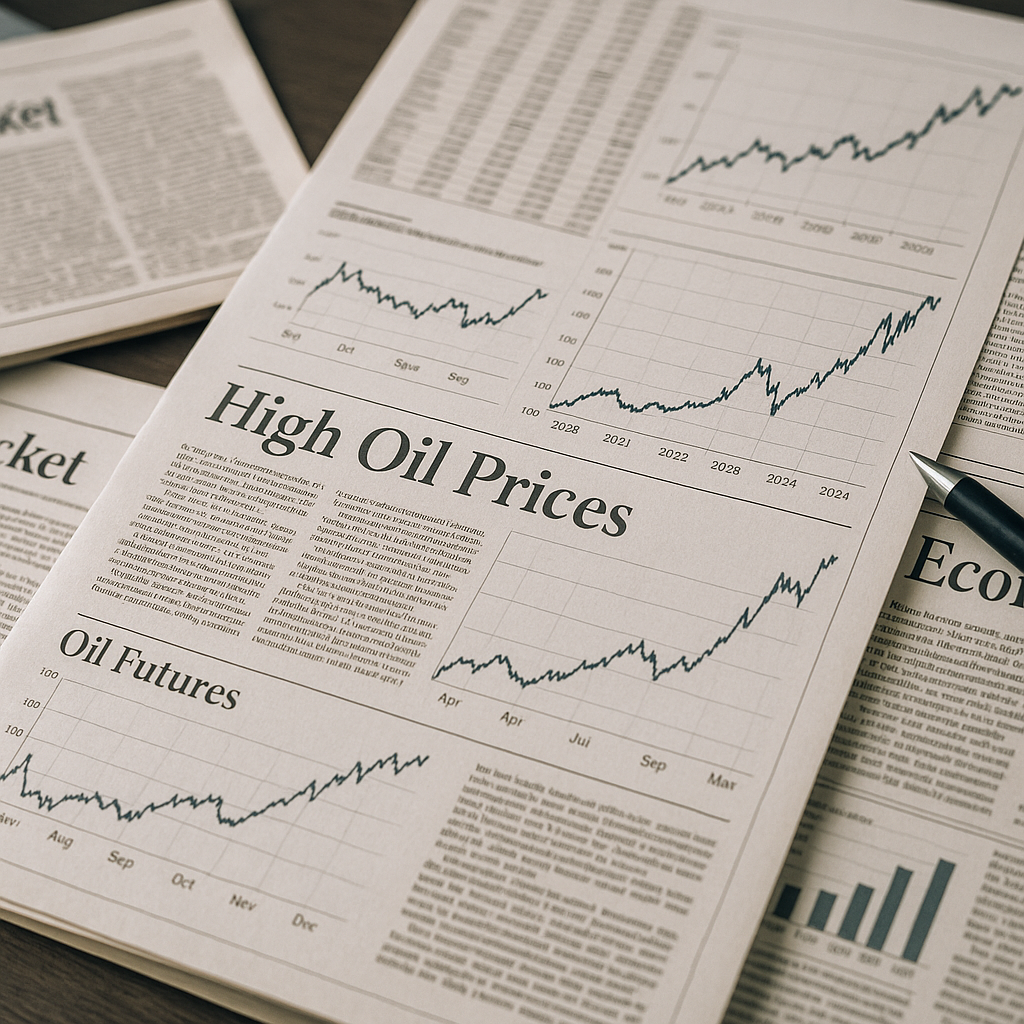
Amid the relative stability of this week’s market close, the confluence of high oil prices and positive stock returns carries implications across the financial landscape. For starters, this is a cautionary tale for long-term investors who may be tempted to follow the market’s lead in the short term. Diversification remains a wise strategy in the face of economic uncertainties.
Looking ahead, all eyes will be on several key factors:
- Energy Sector Trends: Investors will scrutinize whether oil prices remain elevated or reverse in response to global market conditions.
- Federal Reserve Policy: With inflation showing signs of moderation, traders will closely watch whether the central bank signals a different approach.
- Quarterly Earnings: The next earnings season could reveal just how much oil price volatility has affected corporate margins.
The unusual alignment between oil prices and market performance isn’t without precedent, but it underscores how markets can defy expectations. Whether the current dynamic survives the inevitable pressures of inflation, interest rates, or geopolitical factors remains the key question heading into Q2.