Images chosen by Narwhal Cronkite
Britain Condemns Israeli Strikes on Lebanon in Split from Trump
In a significant diplomatic divergence, the United Kingdom has openly condemned recent Israeli airstrikes on Lebanon, marking a notable departure from the more steadfast pro-Israel stance taken by the Trump administration in the United States. This move suggests a recalibration of Britain’s foreign policy in the Middle East and raises questions about the broader implications for diplomatic relations in the region.
A New Rift in Western Unity?
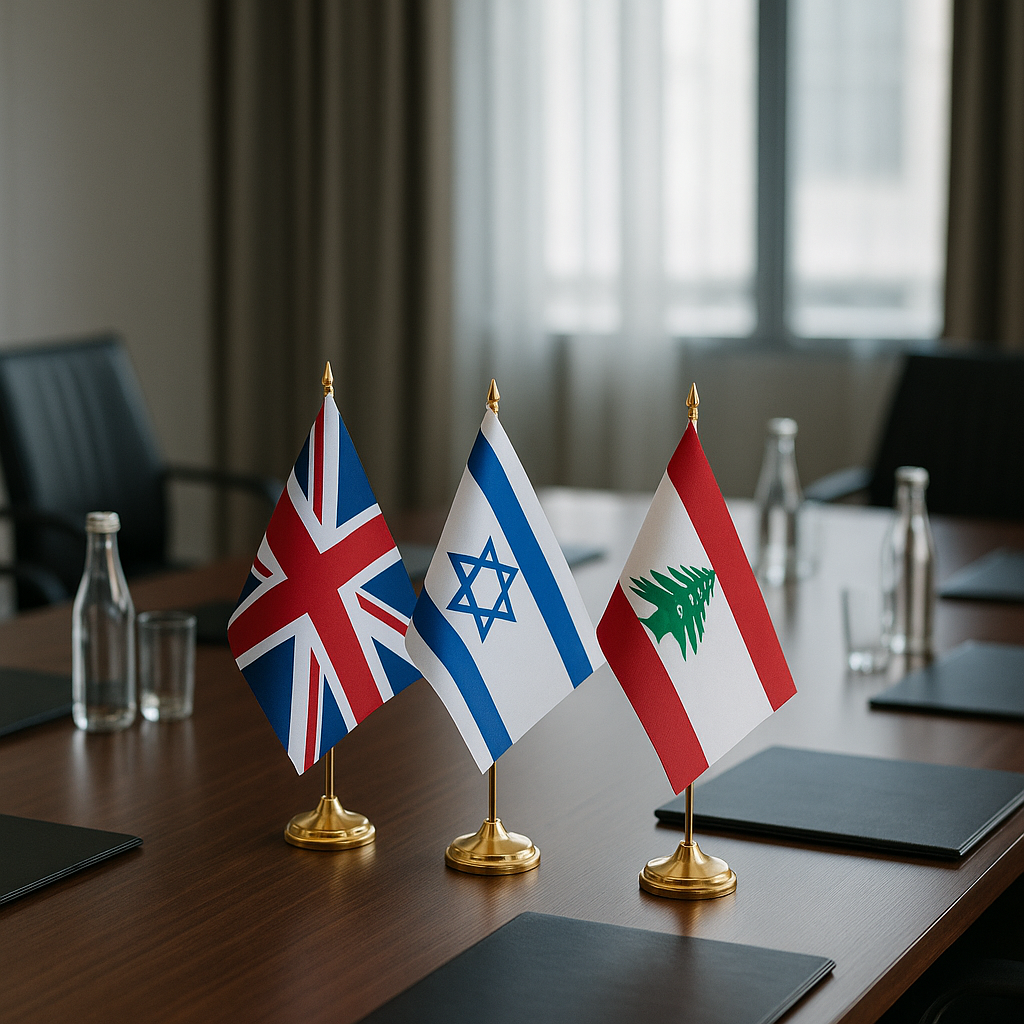
Historically, Britain and the United States have maintained closely aligned foreign policies, particularly when it comes to handling contentious issues in the Middle East. However, this latest condemnation from Westminster underscores growing divergences that have emerged in recent years.
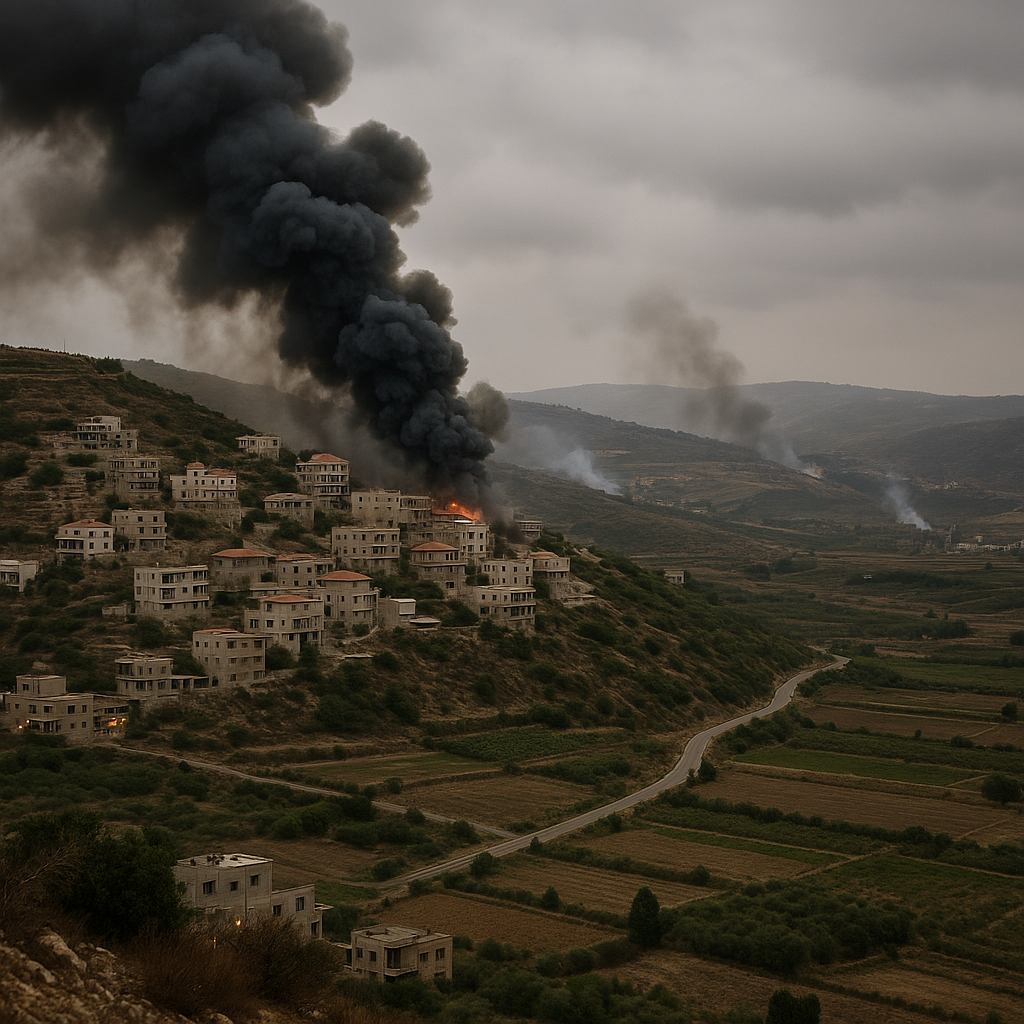
The Israeli airstrikes on southern Lebanon, reportedly aimed at targeting Hezbollah infrastructure, have drawn sharp criticism from several international quarters. While the U.S., under former President Donald Trump, consistently supported Israel’s right to defend itself, Britain’s response has been noticeably different. A statement from the UK Foreign Office called for de-escalation, emphasizing the need to avoid actions that could destabilize the region further.
“The United Kingdom is deeply concerned about the escalation of violence and the potential humanitarian consequences in Lebanon,” the statement read. This sentiment contrasts with Washington’s more restrained response that underscored the longstanding alliance between the U.S. and Israel without delving into the specifics of the strikes.
Root Causes: Escalation and Complexity in the Middle East
The ongoing conflict between Israel and Hezbollah forms the backdrop for these developments. Rooted in decades of geopolitical tension, sectarian divisions, and territorial disputes, this confrontation often entangles regional and global powers. The latest airstrikes came on the heels of cross-border rocket fire from Lebanon into Israel, an attack that Israeli officials attributed to militant groups operating in Hezbollah-controlled areas.
Analysts argue that the strikes further complicate an already volatile situation. “The cycle of retaliation risks spiraling into a wider conflict that could draw in other actors from across the region,” said Middle East expert Dr. Nadia Halim. She further cautioned that aggressive actions, combined with the absence of a viable diplomatic framework, are leading the region toward prolonged insecurity.
Britain’s Position: A Return to Multilateralism?
Britain’s condemnation of the Israeli strikes seems to signal a return to a more multilateral approach in its foreign policy—a stance that some observers say had waned during the Brexit era. By taking a public stand, London appears to align itself with European nations like France and Germany, which have jointly called for a cessation of violence and greater adherence to international law.
Conversely, this stance risks straining Britain’s historically strong relationship with Israel. Pro-Israel advocacy groups have criticized the Foreign Office’s response, accusing the government of failing to recognize Israel’s security concerns in the face of mounting threats from Hezbollah.
“While Britain has every right to call for de-escalation, it must also affirm Israel’s right to defend itself from militant attacks,” said Daniel Klein, a spokesperson for the UK Friends of Israel group. Meanwhile, humanitarian organizations have welcomed the UK’s proactive approach, citing the devastating toll of such strikes on civilian populations.
The U.S. Angle: A Shift in the Israel-Lebanon Narrative
Unlike Britain’s response, the Trump administration’s track record in the Middle East was marked by unequivocal support for Israel. From recognizing Jerusalem as Israel’s capital to endorsing the controversial Abraham Accords, the administration steered American policy heavily in Israel’s favor.
Under the current U.S. administration, there has been somewhat of a recalibration, although Washington still maintains strong ties with Tel Aviv. The muted response to the latest round of strikes, however, reflects the intricacies of American diplomacy, particularly when balancing relationships with Middle Eastern allies like Saudi Arabia and Qatar.
The divergence with Britain, analysts argue, may lead to a more fragmented Western approach to Middle Eastern affairs. “For decades, transatlantic powers presented a united front, especially when mediating conflicts involving Israel,” said geopolitical analyst Hassan Ghorbani. “A lack of cohesion could embolden actors like Hezbollah or even Iran, complicating stabilization efforts.”
What Lies Ahead: Implications and the Road Forward
The implications of Britain’s position on the Israeli airstrikes extend beyond the immediate conflict. For one, it raises questions about the UK’s role as a mediator in the Middle East, particularly as it seeks to position itself as a global player post-Brexit.
Furthermore, the apparent division between Britain and the U.S. could influence how other Western nations respond to similar crises. If Britain maintains its more critical stance toward Israeli military actions while America continues its supportive approach, the result could be a patchwork of policies that undermine collective influence in the region.
Looking ahead, all eyes will be on the broader diplomatic dynamics at play. Will Britain’s move prompt other nations to reassess their positions on the conflict? And how will Israel and Lebanon navigate these tensions as international scrutiny intensifies? As these questions linger, one thing remains certain: the geopolitics of the Middle East are as complex and consequential as ever.
For now, the world watches, hoping that diplomacy can prevail over further escalation.
Conclusion
Britain’s condemnation of Israel’s airstrikes on Lebanon marks a shift in how Western powers approach this longstanding conflict. While the move aligns London with European allies advocating de-escalation, it diverges from traditional American support for Israel. Whether this signals a turning point in Middle Eastern diplomacy or a temporary divergence remains to be seen, but its implications for regional stability and Western unity are profound. The path forward will demand careful balancing of security concerns, humanitarian priorities, and international cooperation.