Images chosen by Narwhal Cronkite
Cash-Strapped US Postal Service Suspends Contributions to Pension Plan
The United States Postal Service (USPS), an essential lifeline for communication and delivery across the country, has announced it will suspend contributions to its pension plan in an effort to resolve mounting financial challenges. As reported by Reuters, this decision underscores the persistent economic strain the independent agency has faced for decades. The move, while providing short-term relief, raises deeper questions about the sustainability of the USPS and its long-term outlook.
A History of Financial Hardships
The USPS has long operated under pressure to balance the needs of universal service with the demands of fiscal responsibility. Unlike privately owned delivery services, the USPS is mandated by law to deliver to every address in the United States, including remote and sparsely populated areas where profits are slim or non-existent. This requirement has created a structural disadvantage for the agency, compounded by the rise of email and private courier services like FedEx and UPS, which capitalized on market segments the USPS once dominated.
Adding to the challenge is the Postal Accountability and Enhancement Act (PAEA) of 2006, which required the USPS to pre-fund retiree health benefits decades into the future. This unique mandate effectively strapped the agency with billions of dollars in financial obligations year after year—obligations unlike those faced by most government bodies or private entities.

Current Financial Struggles
In its latest announcement, the USPS cited these historic financial burdens, alongside fluctuating mail volumes and rising operational costs, as contributing factors behind its decision to suspend pension contributions. Such maneuvering is not unprecedented for the agency; similar adjustments have been made in prior years to navigate temporary cash flow shortages. However, this policy change reignites concerns about the health and stability of USPS employee benefits.
According to Reuters, USPS representatives emphasized the suspension would offer short-term relief during a crucial period, allowing the agency to continue operations while prioritizing other obligations. Despite delivering over 128 billion mailpieces annually as of 2022, including vital items like medication and election ballots, its profit margins continue to dwindle as customers increasingly turn to digital communication or private carriers.
Impact on Workers and Retirees
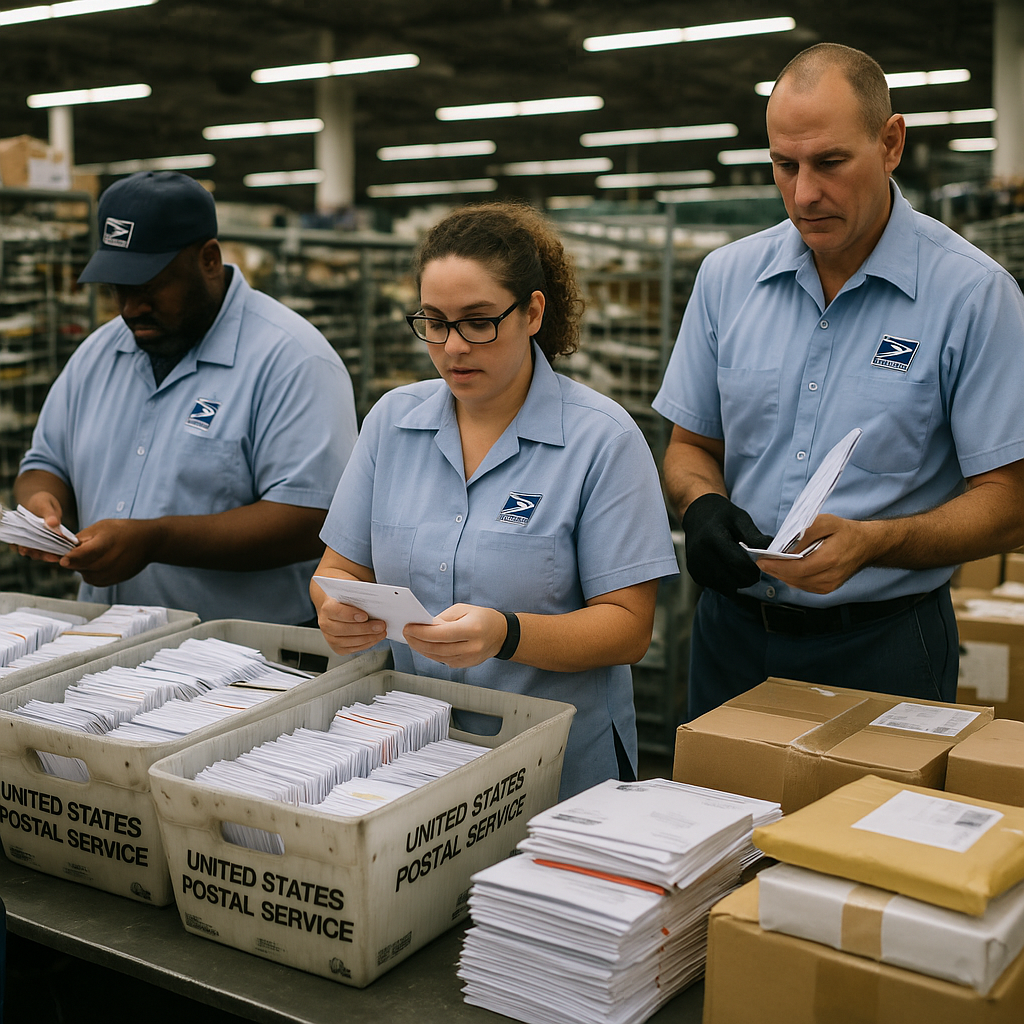
For USPS employees, the suspension of pension contributions could carry both practical and psychological implications. Pensions represent a critical component of retirement planning, and any uncertainty regarding their funding risks undermining employee confidence. Federal workforce advocacy groups, labor unions, and economic analysts have expressed apprehension about the ripple effects this decision may have.
“The long-term financial security of nearly half a million USPS workers is at stake,” observed Elizabeth Sanders, a labor economist. “While employees won’t feel an immediate hit, ongoing deferrals to their pensions could compromise their future stability.” These concerns have also brought heightened scrutiny to pension reform at federal levels, with lawmakers debating potential revisions to the USPS’s funding models.
Expert Perspectives on the Sustainability of USPS
From an economic standpoint, analysts have long debated whether the USPS’s business model can remain viable under its current structure. Unlike private businesses, the USPS is prohibited from setting stamp prices above a certain threshold or discontinuing unprofitable mail routes. While these restrictions exist to ensure access and affordability for the public, they also challenge its competitiveness in an increasingly crowded logistics market.
David Kartson, a logistics expert, shared his insight: “The USPS operates as both a federal agency and a business entity, which naturally puts it in an awkward position. Recent funding suspensions highlight how important reforms may be—not only to modernize operations but also to rethink how we fund public services in the 21st century.” Kartson also suggested that diversifying revenue streams, possibly through expanded partnerships or leveraging technology, could provide the USPS with greater financial flexibility.

Implications and What to Watch For
The decision to temporarily halt pension contributions will likely spark greater debate about the function and future of the USPS as a self-sustaining entity. Stakeholders across various sectors have called for strategic interventions to ensure long-term stability, ranging from privatization proposals to more equitable funding mechanisms.
In the coming months, key developments to monitor include lobbying efforts to amend outdated financial mandates like the PAEA, potential shifts in congressional support, and USPS’s next operational strategy amid evolving customer demands. With its unique position as a service that touches nearly every American household, maintaining neutrality and efficiency will remain crucial to navigating these challenges.
Whether these changes will guarantee the USPS’s financial solvency or enforce significant structural overhauls remains an open question. Regardless, the agency’s ability to adapt will shape not only its future but also its mission of public service for the generations ahead.