Images chosen by Narwhal Cronkite
CEO of America’s Largest Public Hospital System Open to Replacing Radiologists with AI
The healthcare industry is on the brink of transformation, and the recent comments by Dr. Mitchell Katz, CEO of NYC Health + Hospitals—America’s largest public hospital system—highlight one of the most pressing developments. Katz stated that he is ready to embrace artificial intelligence (AI) to replace radiologists, sparking debates over the future of healthcare jobs, technology’s reliability, and patient safety.
The Vision for AI in Radiology
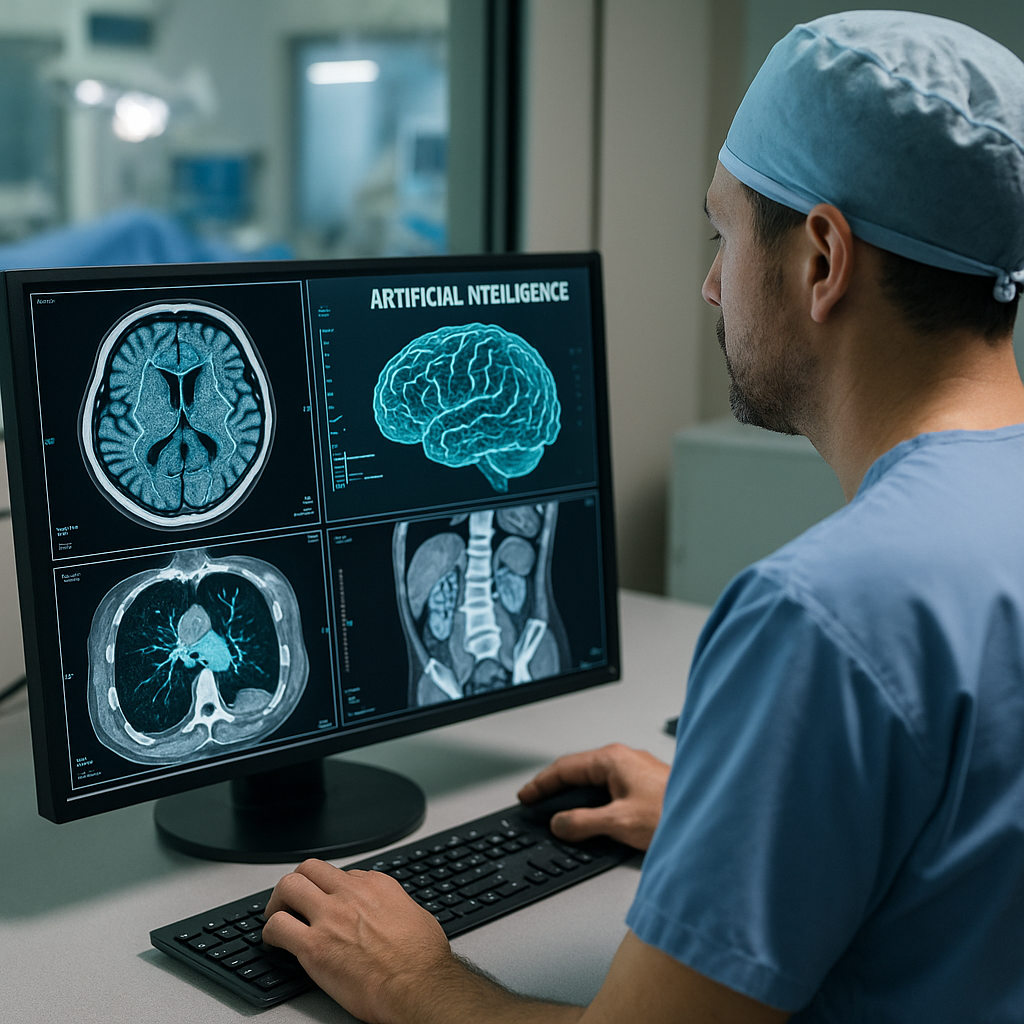
Artificial intelligence in medical diagnostics is nothing new, but Katz’s remarks represent a bold step toward adopting AI at scale for critical healthcare operations. Radiology, which involves interpreting medical imaging such as X-rays, MRIs, and CT scans, has long been an essential cog in the healthcare machine—and one of the most labor-intensive roles.
Proponents of AI in radiology argue that algorithms can significantly outperform human radiologists in terms of speed and accuracy in detecting anomalies. In essence, AI models trained on vast amounts of data would have the capability to rapidly diagnose conditions ranging from fractures and soft tissue injuries to cancers. Dr. Katz’s stance reflects growing confidence across the medical industry, as machine learning technologies demonstrate proficiency in replicating—and in some cases surpassing—the diagnostic accuracy of human specialists.

Balancing Opportunity and Risks
While the potential benefits of replacing radiologists with AI seem compelling, critics warn against overreliance on technology, particularly when patient lives are at stake. As reported by Radiology Business, concerns about bias, training datasets, and edge cases remain significant barriers to full automation. Errors in AI prediction models, even at a small scale, could have devastating consequences.
Beyond technical concerns, Katz’s remarks point to broader changes within hospital operations. AI adoption could reduce costs dramatically, allowing underserved populations greater access to high-quality medical imaging. However, this innovation confronts serious ethical challenges. For example, should radiologists—who spent years gaining expertise—be pushed aside in favor of machines? Would healthcare systems reinvest cost savings into improving patient care, or would major corporations profit most?
The Broader AI Push Across Healthcare
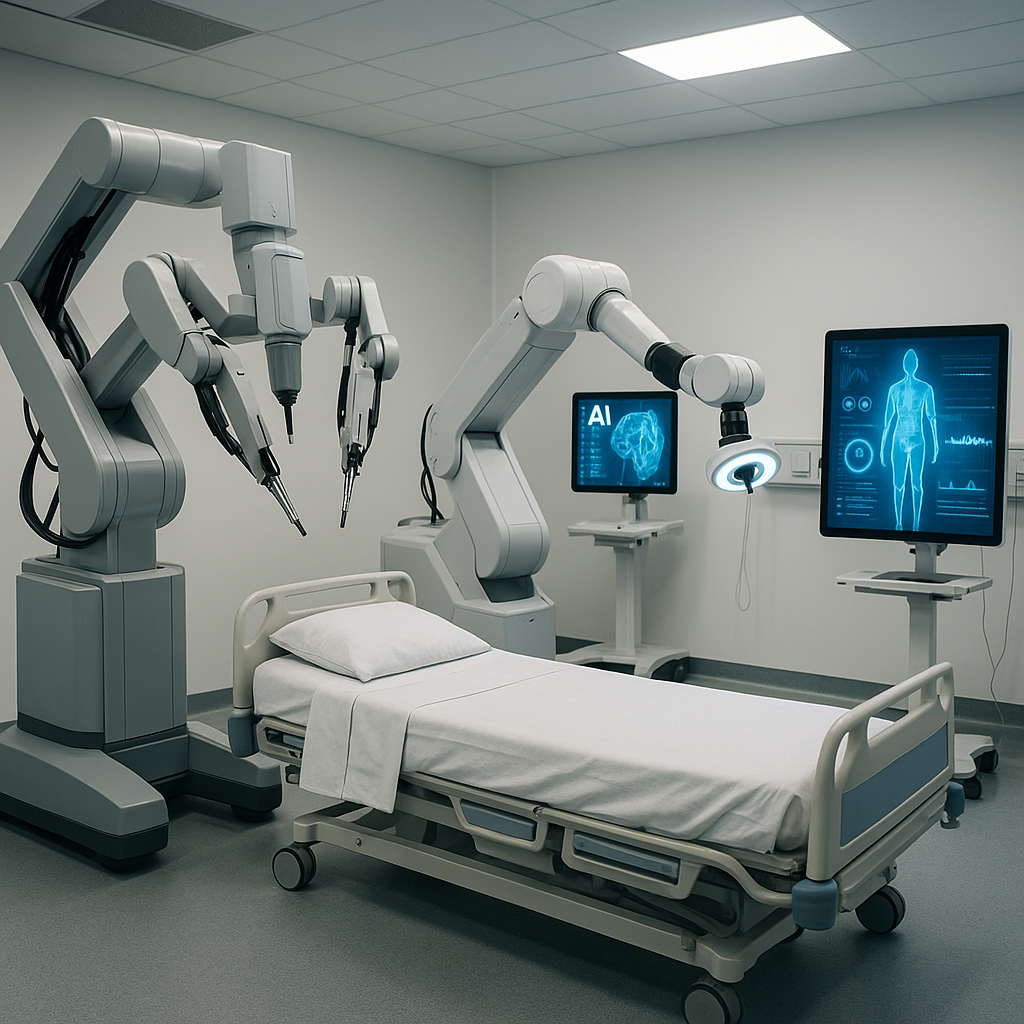
Katz’s comments join a growing chorus of voices advocating technological solutions to longstanding healthcare challenges. As reported by KFF Health News, psychiatry might soon lean on biomarkers for mental health diagnostics—a shift that could complement AI implementations across hospital systems. Together, these innovations promise a more data-driven healthcare environment, but they require rigorous oversight.
Healthcare analysts believe AI adoption is inevitable as organizations face mounting pressure to do more with less. The COVID-19 pandemic demonstrated the fragility of existing systems; updated research published by Gizmodo revealed that the U.S. may have undercounted pandemic-related deaths by nearly 20%. If AI tools had been more widely available during the crisis, some analysts argue, many lives could have been saved.
Industry Observers Weigh In
Tech enthusiasts generally view Katz’s remarks as a logical extension of AI’s capabilities, citing advances in machine learning that have already revolutionized industries like finance, logistics, and manufacturing. However, medical professionals urge caution, arguing there is no replacement for the human element in healthcare.
Dr. Priya Mehta, a radiologist based in Chicago, notes, “AI can analyze millions of scans in seconds, but it doesn’t interact with patients or understand complex clinical contexts. Radiologists bring nuance, intuition, and compassion that technology simply cannot replicate.”
Others highlight the role of AI as a supplementary tool rather than a replacement. “Machine learning algorithms can act as safety nets and second opinions to avoid costly misdiagnoses,” explains Aaron Greene, a health-tech consultant.
What’s Next for Healthcare AI?
The implications of Katz’s vision are profound. If the largest public hospital system moves forward with integrating AI-based diagnostics at scale, it will likely set a precedent for other health networks nationwide. Questions remain on how quickly AI can be deployed, especially given regulatory hurdles and cybersecurity risks tied to sensitive medical data.
Looking ahead, experts recommend keeping an eye on key developments in AI reliability, government-led research on healthcare innovation, and corporate investment into machine learning platforms for diagnostics. For radiologists, the emphasis may shift to training on AI-driven tools rather than conducting scans independently.
As AI continues gaining traction across medical sectors, public discourse—and regulatory frameworks—will need to address crucial issues surrounding equity, safety, and professional displacement. Whether Katz’s ambition for NYC Health + Hospitals becomes a reality or remains aspirational, one thing is clear: AI is rapidly redefining modern healthcare.