Charley Crockett Says ‘Country Music Should Be Taking Notes’ From Bad Bunny
What happens when a rising star in country music takes inspiration from Latin urban trailblazer Bad Bunny? You get Charley Crockett’s latest bold declaration: “Country music should be taking notes from Bad Bunny.” With the Mexican-American artist carving out his own space in the Americana and country genre, Crockett shines a spotlight on the evolution of music—and the lessons his industry could learn from others. But what exactly does this mean for the future of country music?
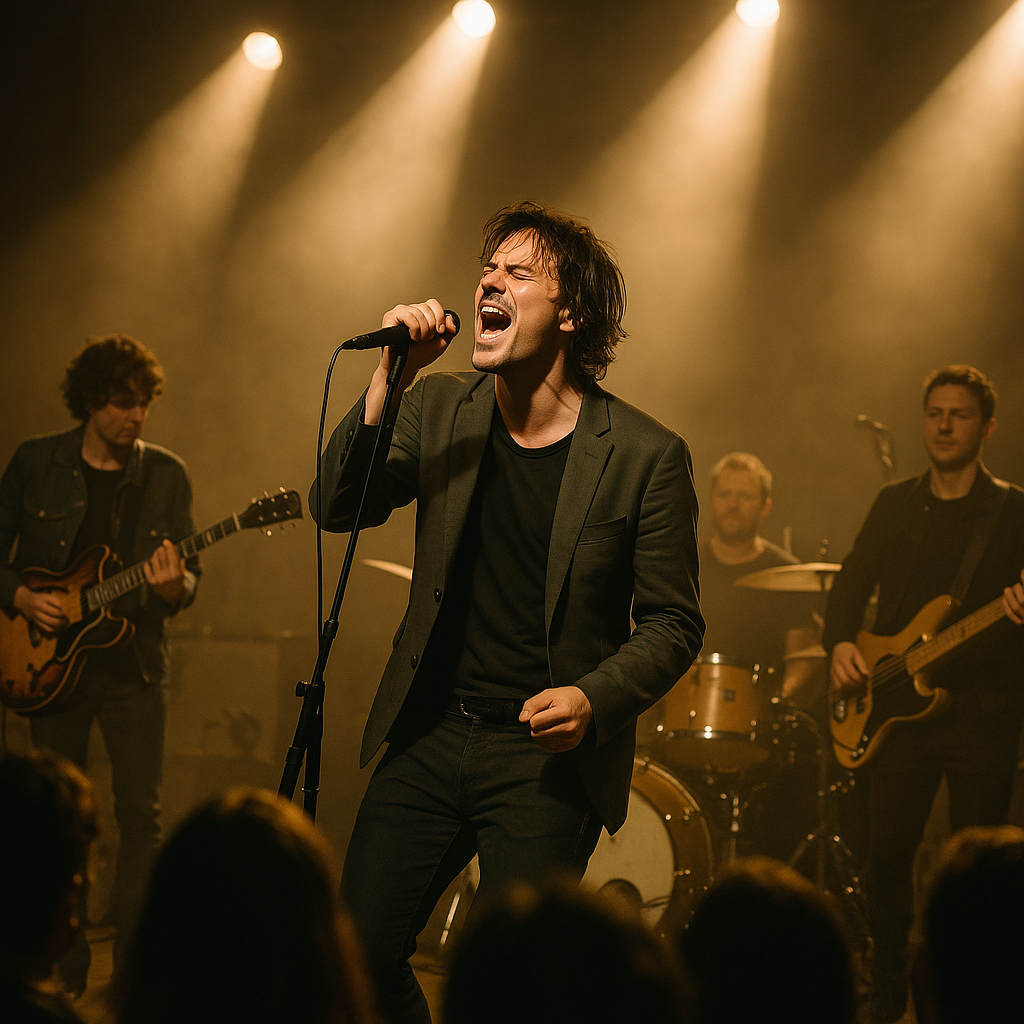
Crossing Boundaries: Bad Bunny’s Pioneering Impact
Bad Bunny, the Puerto Rican megastar, has undeniably expanded the boundaries of reggaetón and Latin trap, incorporating diverse musical styles and establishing himself as a global icon. His ability to dominate both Spanish-speaking and international charts is a testament to the power of genre fusion and cultural authenticity. Charley Crockett believes this innovation is something country music can learn from.
“Bad Bunny doesn’t just stick to what’s popular—he takes risks, represents his roots, and brings something fresh to the table. That’s why he’s such a force,” Crockett noted in an interview with Rolling Stone. “Country music, for all its traditions, could use a little of that unapologetic spirit.” He further pointed out how Bad Bunny’s ability to embrace both individuality and mass appeal has resonated far and wide.
Country music has often been seen as adherent to a traditionalist image—a legacy built on themes of cowboy boots, heartbreak, and small-town life. While these traditions hold a deep cultural value, voices like Crockett’s emphasize the need for the genre to connect with a younger, more diverse audience. The question now is: can country take a page out of the Latin music playbook?

The Evolving Face of Country Music
Country music is no stranger to evolution. The genre has seen artists like Kacey Musgraves, Orville Peck, and more recently, Jelly Roll push the boundaries of traditional country sounds. For instance, as Rolling Stone reported, Jelly Roll’s Grammy win for Best Contemporary Country Album—a first-ever category—signals a shift toward recognizing the genre’s modern-day diversity. Critics see this as a move toward reflecting contemporary America.
“We’re witnessing the rising influence of artists willing to break stereotypes,” said an industry analyst. “Crockett’s call for more open-mindedness isn’t just about making money—it’s about staying relevant in a world where music doesn’t respect borders.” Crockett, described as a bridge between Texas country and New Orleans soul, has himself earned accolades for mixing blues, jazz, and country into his repertoire.
However, there remains resistance within the industry. Traditionalists argue that overt experimentation risks alienating core fans. Yet, with the internet reshaping global and regional tastes, fans often crave diversity and unexpected fusion in their playlists more than ever before. Just as Bad Bunny traverses reggaetón, trap, and even rock, can country music loosen its reins and follow suit?

The Politics of Cross-Cultural Music
Crockett isn’t just pushing for innovation in music—he’s not afraid to make his politics known. In the same interview, he called out former U.S. President Donald Trump as a “grifter” and proposed provocative ideas like deporting tech billionaire Elon Musk. While these statements raised eyebrows, they underline a larger narrative in contemporary music: artists are increasingly vocal about social and political issues.
“Artists like Charley Crockett and Bad Bunny aren’t just musicians; they’re cultural disruptors,” said a Nashville-based music journalist. Bad Bunny, for example, has repeatedly used his platform to address Puerto Rican politics and gender inclusivity, even eschewing traditional gender norms in his fashion choices. By doing so, he resonates with audiences yearning for authenticity and advocacy.
Country, which has been stereotyped as conservative, faces challenges in adapting to such shifts. However, collaborations with socially conscious artists—be it from within the genre or from other musical traditions—could pave a way forward. A clear example of bridging cultural gaps can be seen in Greta Van Fleet teaming up with Langhorne Slim, a folk-turned-electro innovator, as reported in Rolling Stone. Such collaborations often yield surprising and genre-defying results, proving that opposites can indeed attract.
What’s Next for Country Music?
Charley Crockett’s call to take inspiration from global powerhouses like Bad Bunny could serve as a precursor for change in country music. While traditionalists might resist, younger, more diverse consumers are shaping a new narrative. The recent rise in crossover songs and hybrid sounds reflects a cultural movement country will struggle to ignore.
“We aren’t necessarily looking to disrupt country music,” said a music promoter in Los Angeles. “But the rules of engagement in the industry are shifting. People want emotional resonance, local flavor, and global awareness all in one song. That’s what artists like Bad Bunny offer—and country stars like Crockett are taking note.”
What to Watch For
As genre lines blur, country music may turn to global collaborations and experimental production to redefine itself in the coming years. Fans may see more culturally diverse performers in mainstream country charts, enhanced by platforms like TikTok and Spotify that encourage virality over genre allegiance.
Meanwhile, Charley Crockett’s own experimentation raises the stakes for up-and-coming artists in the genre. As debates over tradition, innovation, and politics shape the conversation, country music’s evolution will no doubt mirror the complex and diverse world it seeks to represent.
One thing is certain: with artists like Crockett leading the charge, country music faces a future that might be as unpredictable—and as boundary-pushing—as Bad Bunny himself.