Images chosen by Narwhal Cronkite
Cities Are Covering Surveillance Cameras With Trash Bags: A Troubling Move in Tech Oversight
In a revealing act of civic uncertainty, cities like Dayton, Ohio, are resorting to physically covering surveillance cameras with trash bags—just to shield residents from their potential activity. This bizarre development highlights the murky challenges municipalities face in navigating surveillance contracts with companies like Flock Safety. The situation also underscores broader concerns about surveillance, urban policy, and the often-confusing interplay between technology and governance.

A Shadow Over Surveillance: The Flock Safety Debate
At the heart of this story lies Flock Safety, a company specializing in automated license plate readers (ALPRs) and surveillance technology. The cameras, capable of collecting vehicle data in real time, promise to improve public safety by assisting police investigations and combating crime. Yet, for places like Dayton, these promises have been overshadowed by ethical and procedural dilemmas.
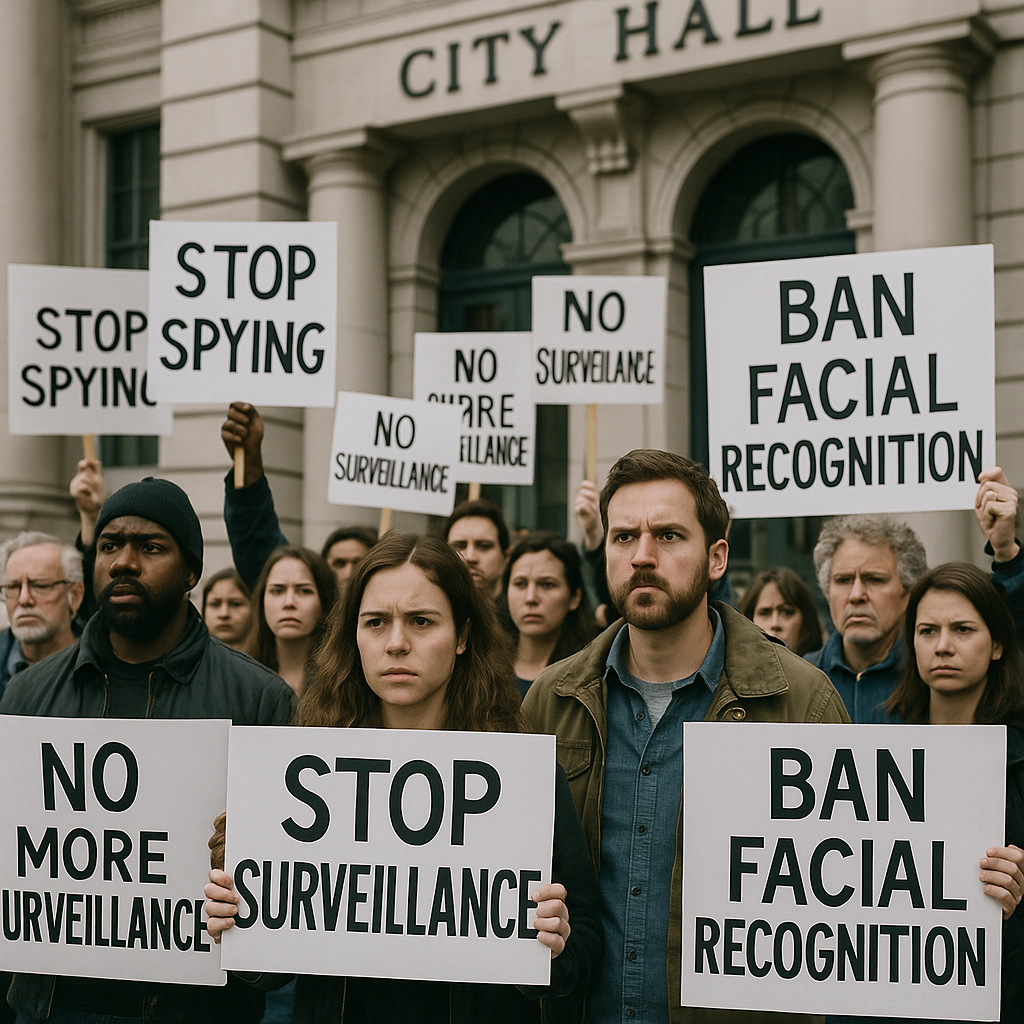
Dayton made headlines after reports revealed questionable data-sharing practices involving Immigration and Customs Enforcement (ICE). A $30,000 audit found discrepancies in how the city was using Flock cameras, sparking public outcry. Residents and activists decried the lack of transparency and accountability, forcing city officials to reconsider their contract. As Dayton’s Deputy City Manager Joe Parlette described in a recent meeting, trash bags now serve as a temporary solution—an extreme measure while officials determine how to proceed.
The story doesn’t stop in Ohio. Other cities like Evanston, Illinois, have also bagged their Flock cameras, citing the same legal uncertainty when terminating contracts. Similar debates have unfolded across the country as questions arise about data privacy, public input, and whether surveillance aids or hinders community trust.
Contracts and Confusion: Why Cities Can’t Simply Cancel
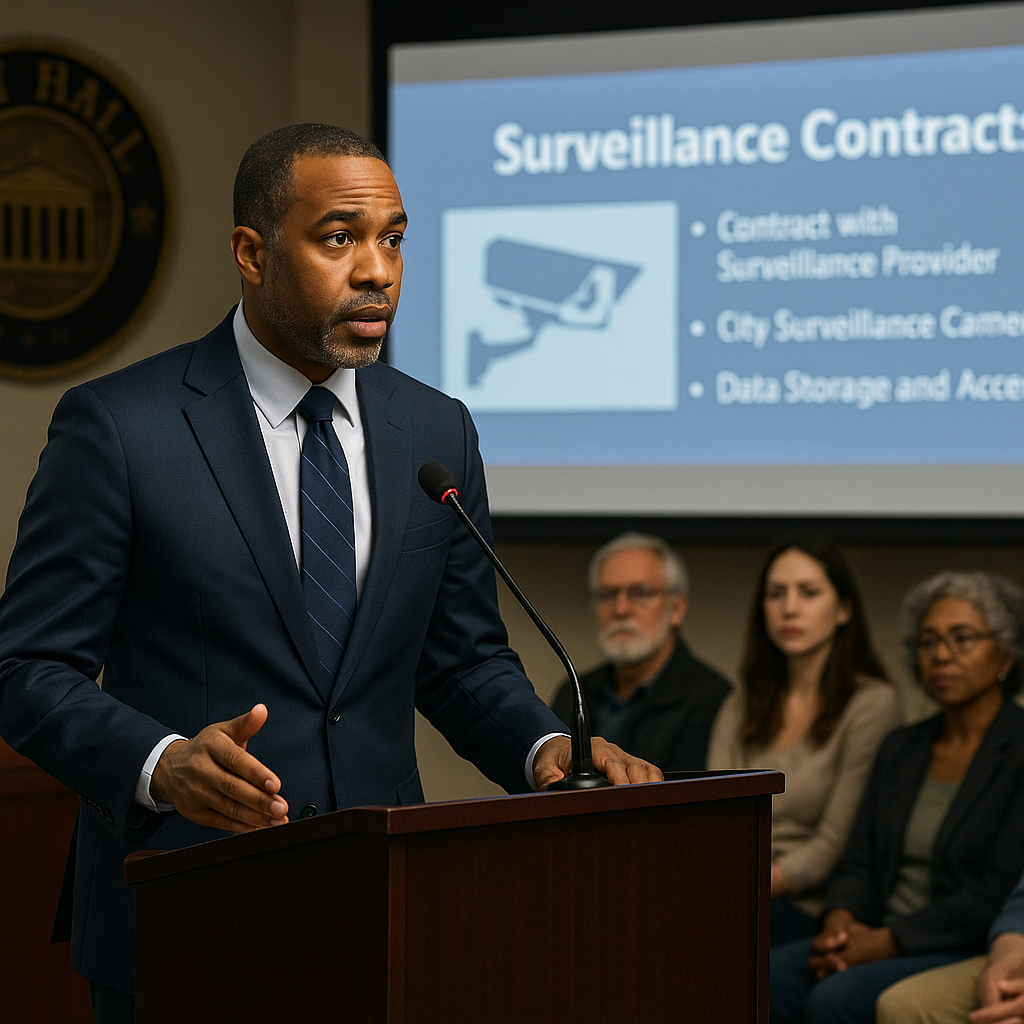
One of the central issues surrounding these bagged cameras is not whether they should be removed but how—and under what authority—cities can deactivate them at all. Contracts with surveillance companies often bind municipalities with restrictive terms, making termination a legal and logistical headache.
For Dayton and Evanston officials, the problem stems from ambiguous clauses within Flock Safety contracts that left them unsure of their deactivation rights. Without immediate legal recourse—or clarity—the cities chose to block the cameras physically, sending a symbolic message that communities prioritize privacy and public sentiment. The trash bags themselves, somewhat ironically, serve as a metaphor for government opacity.
According to reporting by news outlets such as 404 Media and the Dayton Daily News, these challenges are not uncommon. Industry observers argue that cities should implement stricter oversight of surveillance contracts to ensure local governments have unilateral control over their use. Without such measures, surveillance companies may hold undue influence over public spaces.
The Ethical Quandary of Surveillance Technology
These events add fuel to an already divisive debate: on one hand, proponents argue that ALPR cameras like Flock’s can significantly enhance security, deter criminal activity, and help solve crimes. On the other, critics warn against the risks of mass surveillance, data misuse, and the flawed assumption that privacy should be sacrificed for safety.
The ICE data-sharing scandal serves as a cautionary tale. According to reports, Flock’s nationwide surveillance network inadvertently exposed vehicle data to federal immigration authorities. This discovery spurred outrage among Dayton residents, especially in immigrant communities that fear racial profiling and targeted enforcement. Such incidents illustrate the fundamental tension between technology’s usefulness and its potential for harm.
Rebecca McKinnon, a technology policy analyst, expressed grave concerns about how municipalities adopt these tools. “Without clearer safeguards and public education, cities risk abusing surveillance data or fostering distrust from their constituents,” McKinnon said during an interview with TechCrunch. Trust—critical to law enforcement—is often the first casualty when issues like this reach public attention.
What Cities (and Their Residents) Should Watch For Next
As cities grapple with the legal and ethical implications of surveillance contracts, many are calling for reform. Activists and legal analysts suggest several concrete steps that municipalities should consider:
- Contract transparency: Cities need open contracts that stipulate clear termination protocols and accountability measures.
- Public involvement: Community input during decision-making ensures that residents’ privacy concerns are addressed.
- Independent audits: Frequent reviews of surveillance use and policies can expose misuse early and prevent controversies.
- Federal oversight: Regulatory frameworks may be necessary to ensure that national surveillance networks like Flock’s adhere to stringent privacy laws.
The ultimate question remains: who controls public data, and to what end? For now, the trash-bagged cameras in Dayton stand as an unsettling image of tech mismanagement. But they also highlight an opportunity for communities and policymakers to rethink their approach to surveillance.
As municipalities like Dayton attempt to untangle their contracts, citizens and activists play a crucial role in demanding transparency from both governments and tech companies. Whether these efforts lead to better governance—or simply more trash bags—remains to be seen.
Conclusion: The Fine Line Between Technology and Trust
The rise and fall of Flock cameras in Dayton and Evanston has opened larger conversations about who should oversee technology in cities. Missteps—like accidental data-sharing with ICE or poor communication about contracts—are symptoms of a broader issue: many cities adopt tech solutions without fully understanding the implications.
Moving forward, municipal leaders face a critical challenge in balancing the promise of innovation with the protection of civil liberties. Surveillance tools can be powerful, but only when wielded responsibly. The trash bags covering cameras today may be a symbolic gesture, but they serve as a reminder that bad governance creates blind spots—and fixing them demands more than temporary fixes.