Images chosen by Narwhal Cronkite
Colbert’s Interview with Texas Rep James Talarico Shelved Amid FCC Pressure: What This Means for Free Speech
In a move that has sparked debate across the political and media landscape, CBS has prohibited Stephen Colbert’s interview with Texas Representative James Talarico from airing, reportedly due to pressure from the Federal Communications Commission (FCC). As critics and analysts weigh in, the incident raises urgent questions about media freedom, regulatory power, and political influence over journalism.
The Collision of Late-Night Television and Politics
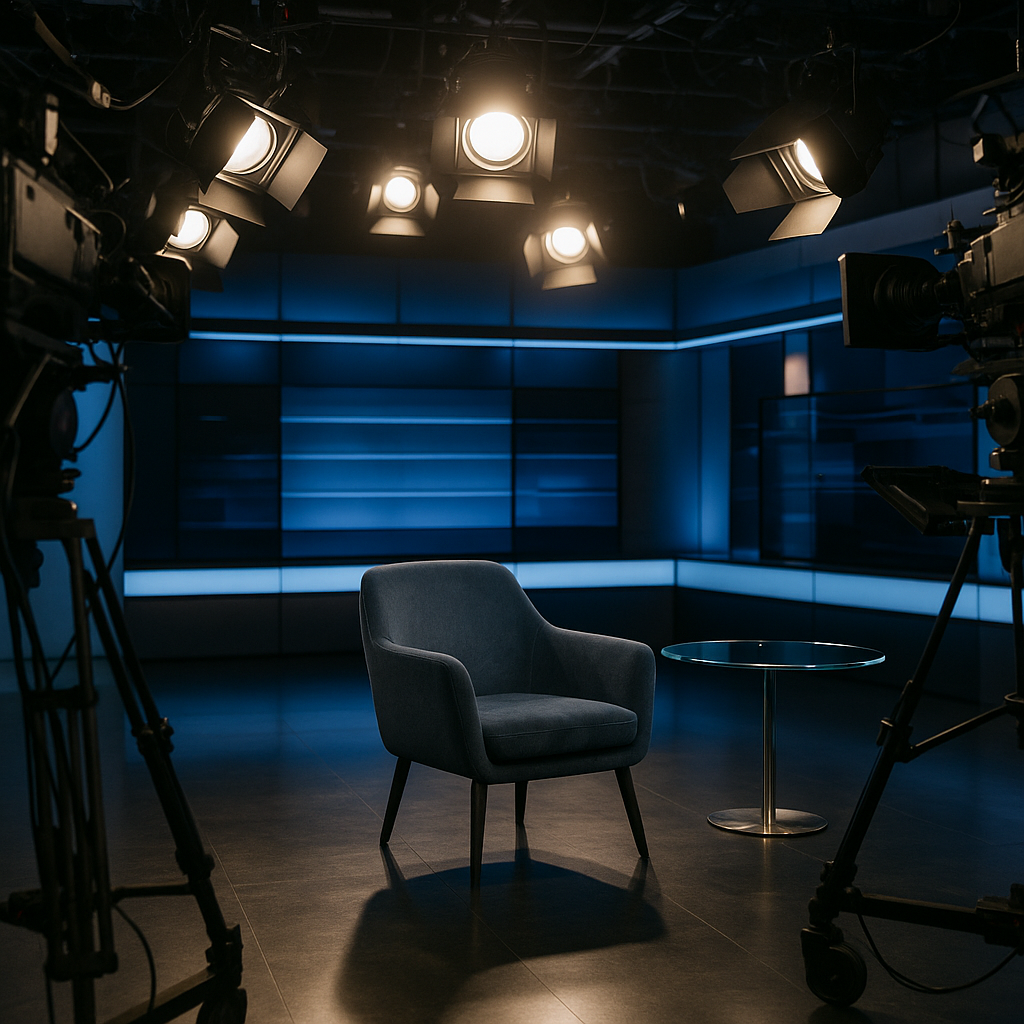
The intersection of politics and entertainment has never been more apparent than in the era of late-night television. From satirical monologues to high-profile guest interviews, shows like “The Late Show with Stephen Colbert” have become platforms for discourse on national issues. However, CBS’s decision to pull Colbert’s interview with James Talarico exposes an underlying tension between network programming and federal oversight.
According to The New York Post, the scrutiny follows a trend: programs like ABC’s “The View” are also being investigated for violating FCC rules. The FCC’s maxim of “equal time” for political candidates is at the heart of these recent incidents. This regulation seeks to ensure that broadcasters provide equivalent airtime to opposing political figures during election cycles. FCC Chairman under the Trump administration, Ajit Pai, initiated many such probes, and they still resonate now in federal policy.
“This isn’t just about one episode or one network,” says media law expert Dr. Jenna Clark. “It’s a litmus test for what kind of control we want over free speech in America, especially for shows that routinely combine entertainment with political commentary.”
Free Speech Versus Government Oversight
While the FCC’s mandate ostensibly protects fairness, it has drawn fire for creating perceived barriers to free speech. Industry observers argue that regulatory action spurred by political pressure could lead to self-censorship by networks.
Rep. James Talarico himself, who has gained attention for his progressive stances on education reform and healthcare, has yet to publicly comment on the CBS decision. However, his increasing visibility as a Democratic figure from a traditionally conservative state like Texas may have contributed to the controversy. Analysts note that his appearance alongside Colbert could have been seen as partisan by some viewers, even though late-night television often operates in a humorous and sometimes satirical tone.
The tension between free expression and government regulation is a volatile issue, particularly during a delicate election season. “These rules were created to prevent overt bias in broadcasting,” says broadcast historian Eric Stein, “but applying them to programs like late-night talk shows, where satire and editorial commentary blend fluidly, is a complicated tightrope.”
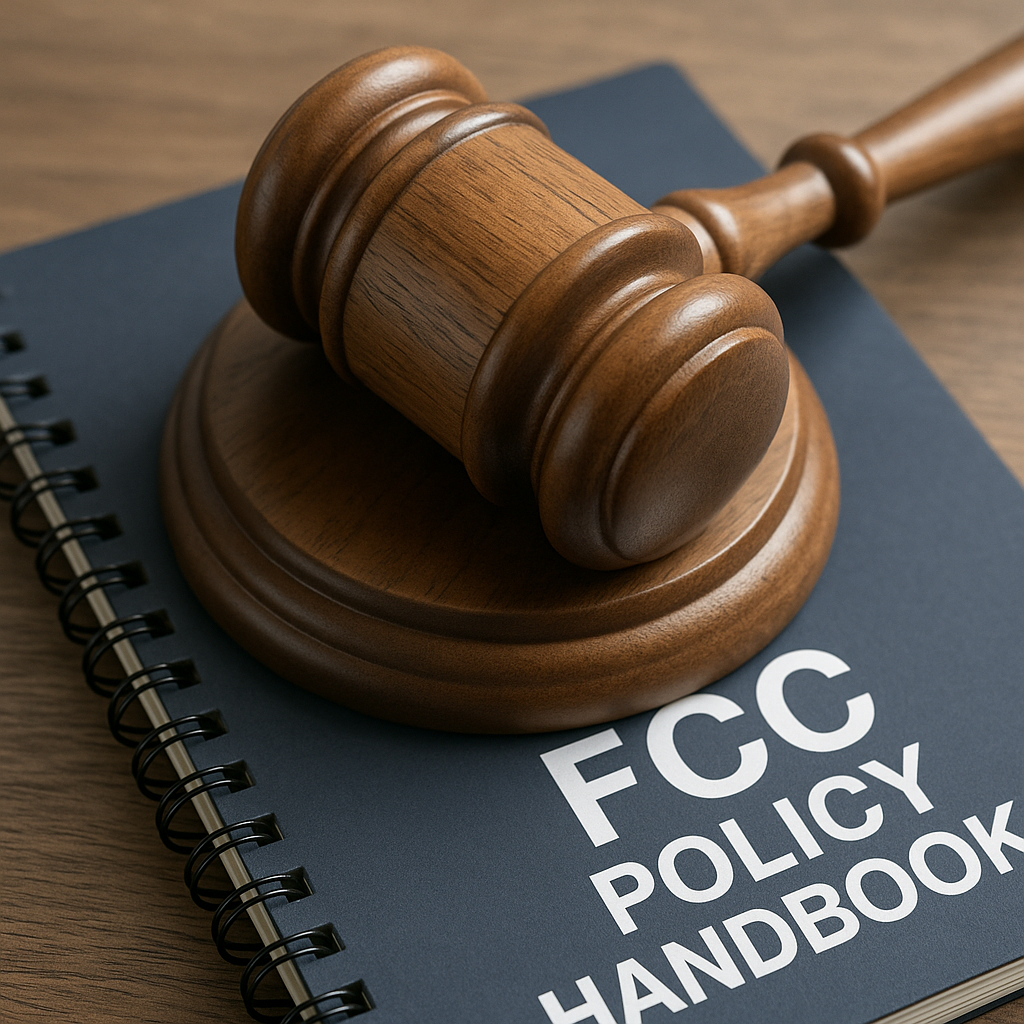
The Role of Networks in Addressing Regulatory Challenges
Broadcast networks, for their part, are caught in a difficult position. They must navigate the space between advocating for their creative freedom and adhering to federal guidelines. CBS, in deciding to withhold Colbert’s interview, has seemingly opted for caution over confrontation, potentially avoiding fines or further scrutiny from regulators.
However, this approach carries its own risks. Critics suggest that such decisions could set a dangerous precedent. “By succumbing to these pressures, networks may inadvertently encourage more government intervention in what should be protected speech,” says Loren Kim, a First Amendment advocate at the National Press Freedom Center. “Silencing these voices doesn’t strengthen democracy—it weakens it.”
Other networks, including ABC, are also navigating murky waters. Multiple outlets, as reported by Mediaite, have come under recent investigation for similar reasons. ABC’s “The View,” for example, is facing its own FCC probe after featuring Rep. Talarico, raising further questions about whether federal oversight is being selectively applied—or potentially weaponized—depending on content and context.
Lessons for Media and the Public
The controversy surrounding Rep. Talarico’s forbidden broadcast serves as a case study in how regulatory policies confront modern media dynamics. Unlike traditional news channels, late-night talk shows operate in a hybrid space, making it challenging to categorize them neatly as journalism or entertainment. Policies like the FCC’s “equal time” rule, established in an era of radio and limited television programming, may require reevaluation to align with modern media consumption patterns.
Moreover, industry stakeholders must grapple with the broader implications of these events. How media outlets address political division and government regulation will undoubtedly shape the breadth of discourse in public forums. Legal scholars are already emphasizing the need for clarity in such cases, advocating for consistent and transparent application of these laws to prevent perceptions of bias.
The Road Ahead: Implications and What to Watch For
What happens next could have far-reaching consequences. For one, lawmakers on both sides of the aisle may revisit discussions on the FCC’s scope and authority. As debates around media freedom intensify, the public is left to wonder where the line will be drawn between protecting fairness and curbing expression.
Meanwhile, networks like CBS, ABC, and others are likely strategizing how best to address similar situations in the future without alienating their audience, angering regulators, or compromising journalistic integrity. Late-night programming, an influential touchpoint for younger and politically-engaged demographics, must navigate these challenges cautiously yet purposefully.
For viewers and voters alike, this incident highlights the value—and fragility—of open discourse in a democratic society. As Loren Kim aptly put it, “When we censor voices in the name of fairness, we run the risk of failing fairness itself.”
Whether we’ll see Colbert’s scheduled interview with Rep. Talarico in a different format—or ever—remains uncertain. What’s clear is that the stakes for free speech, media freedom, and the integrity of public dialogue have rarely been higher.